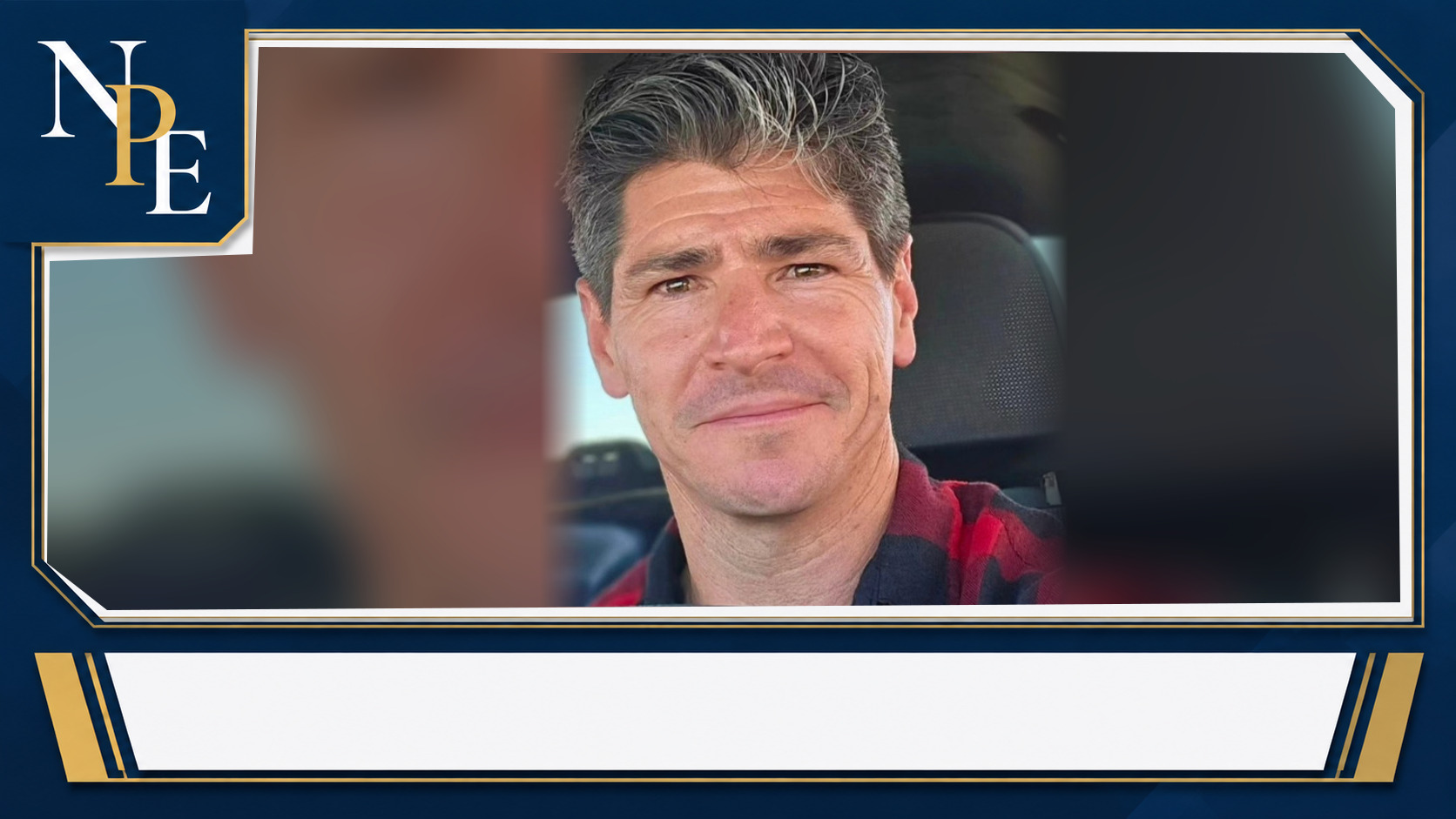
The former Roseanne child star is speaking out after years of seeing online arguments that frame the show’s cancellation as a culture-war overreaction. His message revisits why the cast’s history with the franchise remains complicated.
Michael Fishman issued a blunt response to fans who are still defending Roseanne Barr and the tweet that led ABC to cancel Roseanne in May 2018. The actor, who played D.J. Conner, said the ongoing claims that Barr was punished simply for making a joke distort what happened — and why the debate still matters more than eight years later.
In an Instagram Reels video posted Aug. 10, Fishman said he has spent years receiving comments that portray Barr’s cancellation as a politically motivated overreaction. His answer to people defending Roseanne Barr was direct: stop trying to justify what he described as indefensible dehumanization.
Fishman’s response was years in the making
Fishman said he generally tries to ignore hostile or inaccurate messages about Barr and the cancellation of the show. But he said the repeated posts had worn down his willingness to stay quiet.
In the video, Fishman displayed a social-media comment arguing that the reboot was canceled because Barr made the kind of jokes comedians make and that “woke” culture had turned against her. The commenter also suggested that Barr had made harsher jokes in the past without comparable consequences.
Fishman said he has encountered versions of that argument for more than eight years. He characterized it not as a difference of opinion over television comedy, but as an attempt to erase the actual reason ABC acted.
His most forceful point was aimed at the recurring defense that the controversy had been exaggerated. Fishman said defenders were “perpetuating a lie,” arguing that calling the tweet a joke does not remove its impact.
The 2018 tweet behind ABC’s decision
The dispute centers on a tweet Barr posted about Valerie Jarrett, a Black former senior adviser to President Barack Obama. The post compared Jarrett to an offspring of the Muslim Brotherhood and Planet of the Apes.
Barr deleted the tweet and apologized, calling it a bad joke. ABC canceled the highly rated revival within hours in May 2018.
At the time, then-ABC Entertainment President Channing Dungey called the post “abhorrent, repugnant and inconsistent with our values.” The network’s decision ended a revival that had returned one of television’s most recognizable working-class sitcom families to prime time.
That sequence matters because the current arguments Fishman addressed often compress the event into a vague battle over free expression or comedy. His position is that the language of the original post, and not simply public pressure after it, was central to the cancellation.
Why some fans still defend Barr
Supporters who continue to argue for Barr’s defense tend to make a few related claims: that she was joking, that network executives treated her more harshly than other performers, or that the cancellation reflected a political double standard.
Those arguments persist because Roseanne had become unusually entangled with political identity. Its 2018 return drew attention for depicting a divided family and for Barr’s outspoken support of Donald Trump, turning a sitcom revival into a proxy fight over culture and media power.
There is a meaningful distinction, though, between debating whether a network should cancel a show and disputing what Barr wrote. Fishman’s video focuses on the latter. He is rejecting the idea that the tweet can be accurately reframed as ordinary provocative comedy.
For critics of ABC’s decision, the issue remains corporate punishment and whether a successful program should have been allowed to continue. For Fishman, that framing avoids the racial dehumanization at the heart of the post.
The cast had to carry on
ABC eventually continued the story without Barr through The Conners. The spinoff brought back Fishman alongside John Goodman, Laurie Metcalf and Sara Gilbert, while Roseanne Conner was written out of the series.
The creative decision allowed the remaining cast and crew to keep working, but it also meant the franchise could not escape its rupture. A show built around Roseanne Conner now had to address her absence while moving forward under a new title.
The Conners ran for seven seasons and ended in 2025. Its longevity demonstrated that the broader Conner family could sustain an audience without Barr, even if the original controversy remained part of the show’s public history.
Fishman’s comments underline another overlooked part of that history: cast members were not merely observers of the cancellation. They were colleagues whose jobs, public identities and relationships with viewers were tied to the fallout.
A rebuke of the “just a joke” defense
Fishman’s argument is not that comedy cannot be provocative or offensive. It is that labeling a racist comparison a joke does not settle the question of responsibility.
He said there was “no joke, only damage,” and maintained that ABC was right to cancel the series. In his view, invoking politics as an explanation for the cancellation acts as a smokescreen that shifts attention away from the target and content of Barr’s tweet.
That is why his response has landed differently from a routine former-cast-member feud. It addresses a familiar internet pattern: years after a public controversy, the details are gradually replaced by shorthand claims that someone was “canceled” for speaking freely.
Fishman is pushing back against that shorthand. His point is that free expression and professional consequences can coexist, particularly when speech reduces people to racist imagery.
What remains unresolved online
Barr’s supporters are unlikely to stop debating ABC’s decision, and Fishman’s video does not settle broader disagreements about networks, celebrity accountability or the boundaries of comedy. Those questions continue to produce strong and competing reactions.
What Fishman has made clear is where he stands after years of silence: he does not accept the premise that Barr’s tweet should be softened into a misunderstood gag or a simple culture-war casualty.
For viewers who remember the 2018 reboot, the exchange is also a reminder of how long a television controversy can last. The series is over, but the argument about what happened — and who gets to define it — has continued well beyond the final episode.
Leave a Reply