The fight after Ceuta moved from border management to political blame, with Spain defending its migration policy as European leaders focused on Schengen controls.
Spain’s dispute with other European governments after the deadly rush into Ceuta did not hinge only on what happened at the border. It quickly became a fight over whether Madrid’s migration policy had put wider European arrangements under strain.
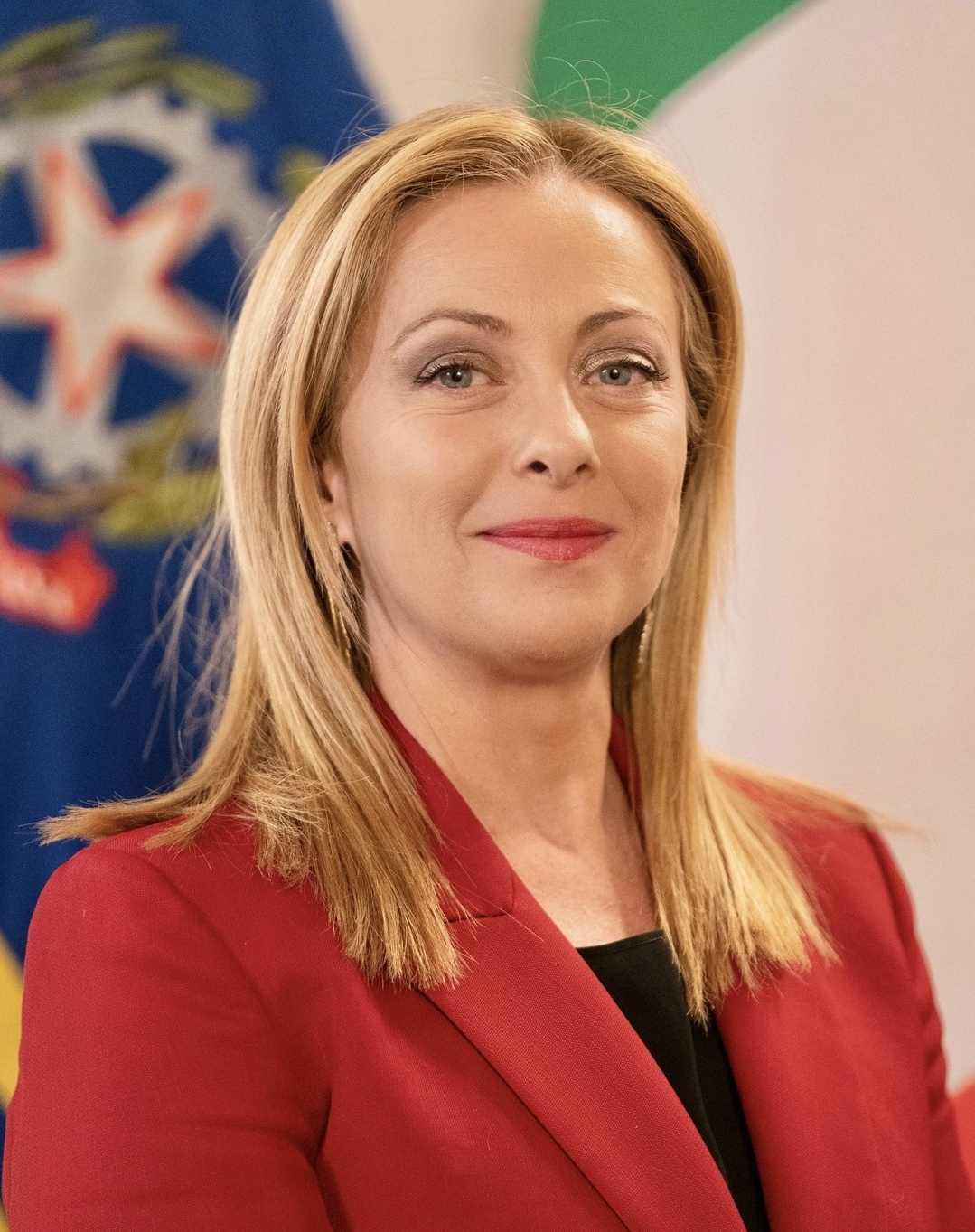
Italy’s Prime Minister Giorgia Meloni called for Spain’s suspension from the Schengen area, according to CNN’s reporting. Spain’s Prime Minister Pedro Sánchez rejected the blame, while other officials across Europe treated the episode as a test of border control and EU solidarity.
Madrid pushed back against the premise
Sánchez rejected the argument that Spain’s policies caused the rush into Ceuta. In a letter quoted in European media, he called much of the reaction “selfish, polarising and unlawful,” and blamed “prejudice, fake news, ignorance or political interest” for the rush to condemn Spain.
Spain’s foreign minister summoned Italy’s ambassador after Italian Foreign Minister Antonio Tajani claimed, without evidence, that Madrid’s immigration policy encouraged human trafficking.
Sánchez also argued that other European states had offered Spain limited support while criticizing its handling of a border crisis on EU territory. His position challenged the premise that the Ceuta surge proved Spain’s broader migration approach had failed.
That broader approach has been more open than that of many European leaders. Earlier this year, Spain announced a regularization program initially expected to give 500,000 undocumented migrants already living in the country a path to legal status. Applications reportedly exceeded one million.
The scale was clear; the count was not
The public figures around the disaster were still being reported differently as the political reaction hardened. CNN reported around 72,000 people surging across a breakwater barrier from Morocco into Ceuta last Thursday, with some drowning and others being trampled.
RNZ’s version of the same CNN report put the number at around 60,000. Death tolls also varied in available reports: CNN and RNZ reported at least 72 dead, a Reuters headline said 57 people had died, and a PBS item on Ceuta cited at least 18 deaths.
Many migrants later returned across the border, according to the same reporting. The immediate crossing faded more quickly than the European argument it triggered.
The cause of the rush remains unclear. At the same time, the EU’s border agency said illegal border crossings into the bloc fell 37% in the first half of 2026 compared with the same period a year earlier.
Schengen entered a border crisis outside Schengen
Ceuta is a Spanish autonomous city on the North African coast, bordered by Morocco and the Mediterranean. It is Spanish territory, and therefore EU territory, but it is not part of the Schengen passport-free travel area.
That made Meloni’s demand especially pointed. Her call did not concern Ceuta’s own Schengen status; it targeted Spain’s place in the wider European travel system.
According to CNN, Meloni also moved to tighten checks on travel from Spain. CNN also reported that migrants were not realistically on a direct route to mainland Europe, a geographic detail that did not stop the episode from becoming a continent-wide migration argument.
Other governments increased pressure on Spain
France’s Interior Minister Laurent Nunez ordered extra checks at the French-Spanish border. Denmark’s center-left Prime Minister Mette Frederiksen urged the EU to consider all options, including a possible suspension of Schengen cooperation.
Finland’s Interior Minister Mari Rantanen accused Spain of failing to protect the Schengen area’s external border from “infiltration.” Leaders from 22 of the EU’s 27 countries also signed an open letter characterizing Sánchez’s immigration policy as a pull factor.
Together, those moves turned Ceuta from a Spanish-Moroccan border emergency into a wider dispute over whether Spain’s handling of migration created obligations or risks for the rest of Europe.
The language of the fallout mattered
Hard-right politicians were expected to use severe language about the crossing. The more consequential development, according to CNN’s framing of the fallout, was how quickly parts of the wider European political establishment treated Ceuta as a test of Spain’s migration model and Schengen responsibility.
US President Donald Trump also used the episode in political terms, calling it an “invasion” and saying it should be used as a midterm talking point.
CNN reported that the Ceuta fallout suggested extreme populist views were becoming mainstream. A more cautious reading is that language and assumptions once associated mainly with anti-migrant parties were echoed, in varying forms, by several governments responding to Spain.
Not every response carried the same meaning. But the speed with which Ceuta became a Schengen argument showed how quickly migration politics can move from a border crossing to the center of European governance.
EU officials later tried to calm the dispute
By Tuesday, EU officials tried to lower the temperature. Interior ministers from member states praised Spain’s response, according to statements from French and Spanish officials.
Spanish authorities said about 2,000 migrants remained in Ceuta. The unresolved question was no longer only operational; it was whether European governments could respond to sudden border pressure without letting the harshest migration rhetoric set the terms of the debate.
Leave a Reply