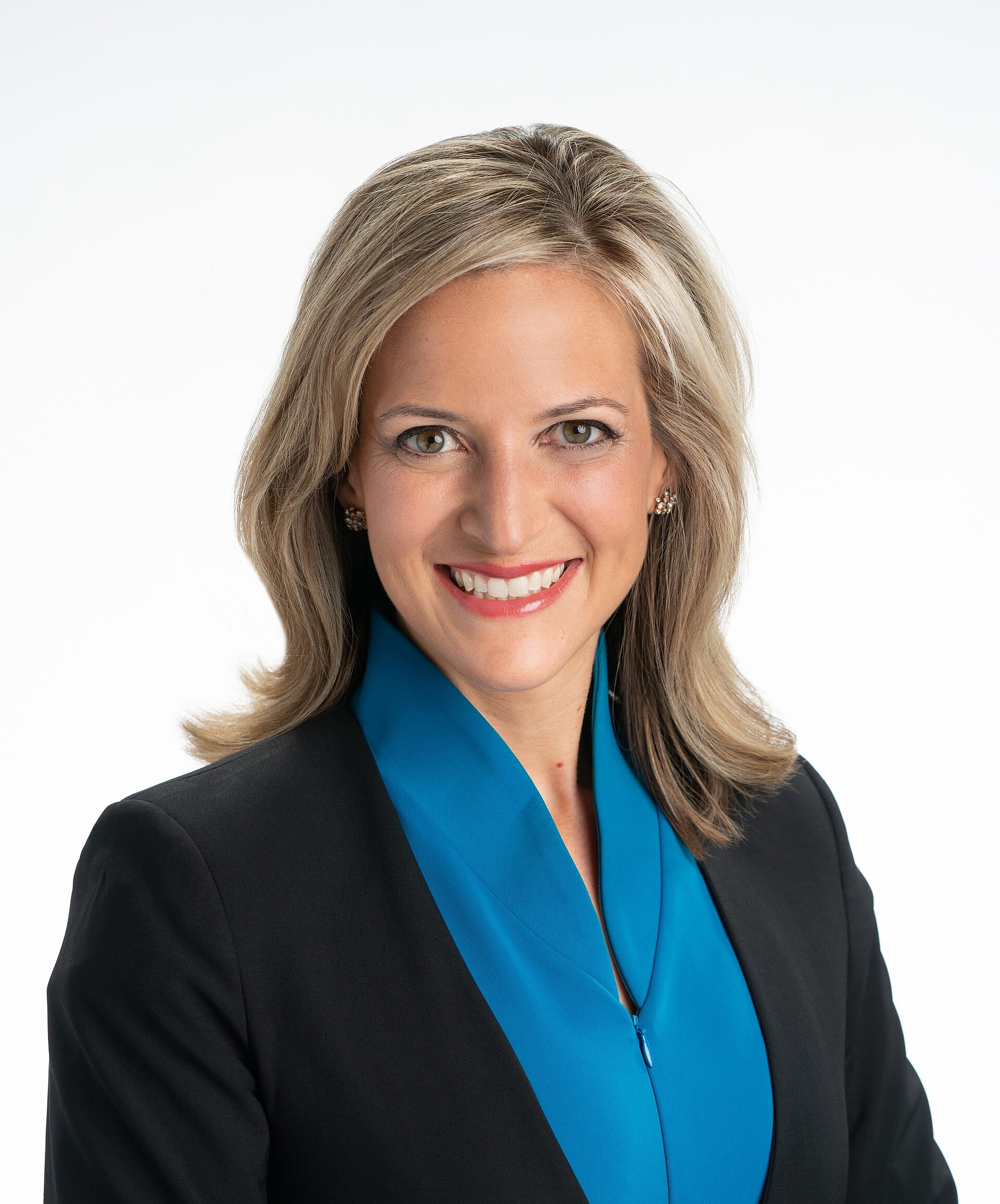
The Michigan secretary of state’s nomination turns a primary victory into a fall test of voter trust, affordability politics and the state’s role in protecting rights.
Jocelyn Benson won the Michigan Democratic governor primary on Tuesday, Aug. 4, and Benson secured the Democratic nomination for governor, turning immediately to the general election in Michigan scheduled for Nov. 3. The Michigan secretary of state will now move on to face the Republican nominee in a race with national attention and high stakes for state policy.
According to WDIV/ClickOnDetroit, Benson accepted the nomination by framing the fall campaign around a basic question: whether Michigan government works for everyday residents or for powerful political and corporate interests.
Benson shifts to November
Benson did not treat primary night as a victory lap for long. In remarks to supporters after winning the Democratic primary, she said, “Tonight, the general election begins,” and called for a broader coalition across the state.

That pivot matters because the primary only settled the Democratic side of the ballot. The next campaign will be fought across a politically competitive Michigan, where statewide races often turn on turnout, ticket-splitting and whether candidates can speak beyond their party base.
Benson has served as Michigan secretary of state since 2019, a role that made her one of the state’s most visible election officials. Her gubernatorial campaign now has to translate that statewide profile into an argument about executive leadership beyond elections administration.
Her pitch starts with costs
Benson used her nomination speech to stress affordability, economic opportunity and daily friction with government. She pledged to work with lawmakers from both parties while also saying she would confront those who blocked her agenda.
“As the next governor of Michigan, I will work with you to drive down costs while expanding our economy,” Benson said, according to WDIV/ClickOnDetroit. She added that she would work with anyone to get that done, but would be ready to stand up to anyone “no matter how wealthy or powerful” who got in the way.
That is the center of her general-election message for now: government as a tool to make life less expensive and less complicated. She called for expanding affordable housing, improving access to health care, investing in public education and building a government that “saves us time, saves us money and makes our life easier.”
The challenge is that broad affordability promises are easy to make and hard to deliver. Voters will likely look for specifics on housing supply, child care costs, health care access, tax policy and how a governor would move an agenda through the Legislature.
Rights remain central terrain
Benson also emphasized abortion rights and voting rights, two issues that have been central to her time as secretary of state and to Democratic messaging in Michigan.
She criticized President Donald Trump and Republican leaders, accusing them of supporting efforts to overturn the 2020 presidential election. Benson pointed to her legal battles defending Michigan’s election system and said she would continue to defend voting rights if elected governor.
“I am not afraid to stand up to anyone who would try to take away your rights and freedoms,” she told supporters, according to the local station.
That line shows how Benson is likely to connect her current job to the one she is seeking. Her campaign is not just arguing that she has experience in state government; it is arguing that her experience came during fights over democracy, elections and individual rights.
The biography she highlighted
Benson also leaned into biography. She described herself as the daughter of public school teachers, the wife of a combat veteran and the mother of a 10-year-old son.
Those details were not incidental. They helped tie her policy priorities to everyday family pressures: schools, health care, housing affordability and child care.
Campaign biographies can feel polished, but they serve a practical function. They give voters a shorthand for what a candidate notices, what she says she values and which problems she claims to understand personally.
For Benson, the emphasis on teachers, military service and parenting is designed to soften a resume that many voters may associate mainly with elections and bureaucracy. It also gives her a way to talk about public services without sounding only institutional.
Republicans get the contrast
Benson previewed a general-election contrast without naming her Republican opponent in the available remarks. She accused Republicans of backing policies that would raise health care and housing costs, while casting her own agenda as focused on affordability and economic growth.
That is Benson’s framing, not the final word on the race. Republicans will have months to argue that Democrats have not solved the cost pressures they now campaign against, and to challenge Benson’s record as secretary of state.
The fall contest is likely to test two competing claims. Benson will argue that government can protect rights and lower barriers for families. Republicans are likely to argue that Democratic leadership has produced too much regulation, too much cost and too little accountability.
Michigan voters have heard versions of both arguments before. What changes now is that Benson becomes the Democratic nominee carrying that case into the governor’s race, with a statewide record that is both an asset and a target.
What to watch next
The immediate next step is organization. Benson urged supporters to begin knocking on doors, making phone calls and talking with voters across Michigan.
That ground-game message is standard after a primary, but it is also revealing. A Democratic nominee cannot win Michigan by speaking only to the party’s most reliable voters. Benson said the campaign’s opportunity is to grow a coalition “in every corner of our state.”
Several questions remain open as the general election takes shape:
- How quickly Benson can unite Democratic primary voters and expand beyond them.
- Whether her affordability message gains traction with voters worried about housing, health care and child care.
- How Republicans attack her record as secretary of state.
- Whether voting rights and abortion rights remain top-tier issues through November.
- How much national attention and outside spending flow into Michigan before Nov. 3.
Benson closed her primary-night message by telling supporters that “the eyes of the nation are on Michigan.” That may be campaign rhetoric, but it reflects a real political truth: Michigan rarely gets treated as just a local race. With Benson now the Democratic nominee, the governor’s race moves from intraparty contest to a statewide fight over costs, rights and trust in government.
Leave a Reply