
The order keeps pressure on Trump’s legal team after a judge criticized how the IRS case was used around a disputed settlement. The fight now turns on attorney conduct, taxpayer funds and what courts can do when litigation is allegedly used for leverage.
A federal judge refused to pause the ruling in Florida that sent one of Donald Trump’s lawyers to the Florida Bar for possible discipline and left Donald Trump ordered to pay legal fees as a sanction in his IRS lawsuit. The judge said the challengers “have not shown good cause” to halt the ruling, keeping the disciplinary referral and fee consequences alive while the fight continues.
The decision matters because it is not only a loss in a single lawsuit. It keeps judicial scrutiny on how Trump’s team and the Justice Department used litigation tied to his tax records, a proposed taxpayer-funded settlement vehicle and claims of political targeting.
Why the pause was denied
U.S. District Judge Kathleen Williams declined to put her earlier order on hold, according to the reported ruling, after finding that the request did not meet the standard for a pause. In plain terms, the court was not persuaded that the sanctioned side had shown enough reason to freeze the consequences while challenging them.
That means two pieces of the prior ruling remain in force for now: the referral of Trump’s legal counsel to the Florida Bar for potential disciplinary review, and the legal-fee sanctions that put Trump on the hook for costs. The amount and timing of any fee payment were not clear from the available record.
A stay is not automatic just because a party disagrees with a court order. Judges typically look for factors such as likelihood of success, possible harm, harm to others and the public interest. Williams’ “good cause” language signals that, at least at this stage, she did not see enough to justify stopping her own ruling from taking effect.
The IRS lawsuit underneath
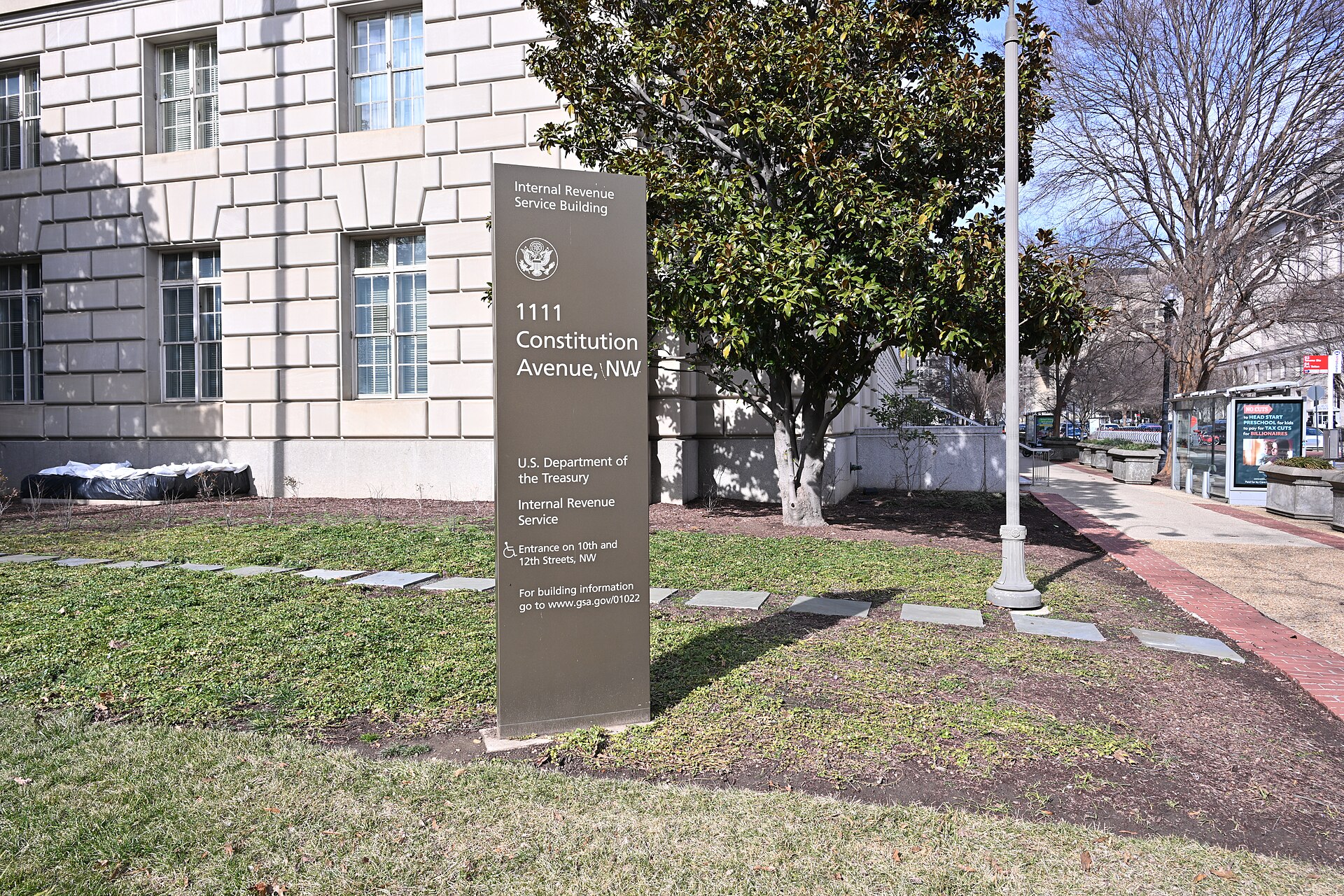
The sanctions fight grew out of Trump’s lawsuit against the IRS over the unauthorized disclosure of his tax information. ABC News reported that Trump had filed a $10 billion suit tied to the leak of private tax records during his first term.
A former IRS contractor pleaded guilty in 2023 in connection with the disclosure of tax information, according to the same reporting. Trump’s legal team has framed the underlying episode as a serious abuse involving confidential records and politically motivated targeting.
In a statement reported by ABC News, a spokesperson for Trump’s legal team said the IRS “wrongly allowed a rogue, politically-motivated employee” to leak private information about Trump, his family and the Trump Organization to news outlets. The statement said Trump continues to hold accountable those who wrong America and Americans.
That is the argument Trump’s side wants foregrounded: the IRS leak was real, the privacy breach was serious, and the lawsuit sought redress for conduct involving the federal tax agency. Williams’ orders, however, focus on what happened after the lawsuit became part of a broader settlement strategy.
The settlement drew scrutiny
Williams previously criticized Trump, his attorneys and the Justice Department over the way the IRS case intersected with the creation of a now-defunct “Anti-Weaponization Fund.” ABC News reported that Trump announced the $1.776 billion fund in May 2026 to compensate people who claimed they were wrongly targeted under the Biden administration.
The reported arrangement came as Trump agreed to drop his $10 billion IRS lawsuit. That sequencing triggered questions about whether litigation was being used to create or justify access to taxpayer funds, and whether the deal sidestepped the normal judicial review that would usually test the legal basis for such relief.
Williams wrote in the earlier order that the plaintiffs improperly used the lawsuit to justify “access to taxpayer funds and exemption from audits and other investigations,” according to ABC News. She also wrote that the parties used federal litigation to give legitimacy to a course of action they were unwilling to subject to judicial review.
The judge’s language was unusually sharp. She found that the plaintiffs acted in bad faith, a serious finding in civil litigation because it can support sanctions when a court concludes that the legal process has been misused rather than simply lost.
The Florida Bar referral
The Florida Bar referral is separate from the fee sanction. A judge can refer lawyers for potential discipline when the court believes attorney conduct may warrant professional review, but a referral does not by itself prove misconduct or impose a bar penalty.
That distinction matters. The Bar process, if it proceeds, would evaluate professional responsibility issues under its own rules. Possible outcomes can range widely, including no discipline, a private or public sanction, or more serious penalties depending on what the Bar finds.
For Trump’s lawyers, the practical risk is reputational and professional. Being referred by a federal judge signals that the court saw enough concern to involve the body that regulates lawyers in Florida. For the public, the referral raises a broader question: when lawyers represent powerful clients in politically charged cases, where is the line between aggressive advocacy and conduct that abuses the court system?
Williams’ refusal to pause the referral keeps that question moving rather than burying it while appeals or challenges unfold.
The Justice Department angle
The order also pulled the Justice Department into the controversy. ABC News reported that Williams directly criticized acting Attorney General Todd Blanche, suggesting that testimony he gave to Congress about the settlement review was, at best, misleading and, at worst, disingenuous.
According to ABC News, Blanche had told lawmakers there was “no judge” and “no mechanism” for reviewing the agreement after the case had been dismissed. Williams pushed back, writing that the court was available to review filings during the lawsuit and that relief could have been sought if parties believed the dismissal had created a problem.
A Justice Department spokesperson did not immediately respond to ABC News’ request for comment on the earlier ruling. That leaves an important gap: the department’s full public explanation for its role in the settlement structure, and how it views the court’s criticism, remains limited in the available reporting.
The separation-of-powers undertone is hard to miss. Courts do not run the Justice Department, but they do control cases before them. Williams’ orders suggest she believed the court’s authority was used as cover without genuine submission to court review.
What remains unresolved
The latest refusal to halt the ruling does not end the matter. Trump and his lawyers may continue to contest the sanctions and referral through available legal channels. The Florida Bar may also decide what, if anything, to do with the disciplinary referral.
Several details remain unclear from the available reporting, including the final amount of legal fees Trump may be required to pay, the precise timetable for payment, and whether a higher court will be asked to step in. It is also not yet clear how the Justice Department will respond in court or publicly to the judge’s criticism.
For now, the immediate takeaway is straightforward: Williams’ sanctions order still has force. Trump remains exposed to legal-fee consequences, at least one of his lawyers remains under referral to the Florida Bar, and the judge’s finding that the IRS lawsuit was used in bad faith remains the central obstacle for Trump’s side.
The larger fight is about more than one fee award. It is about whether a lawsuit over a genuine tax-record leak became a vehicle for a disputed political settlement — and whether the courts will punish lawyers and parties they believe tried to use litigation as a shield rather than a forum for review.
Leave a Reply