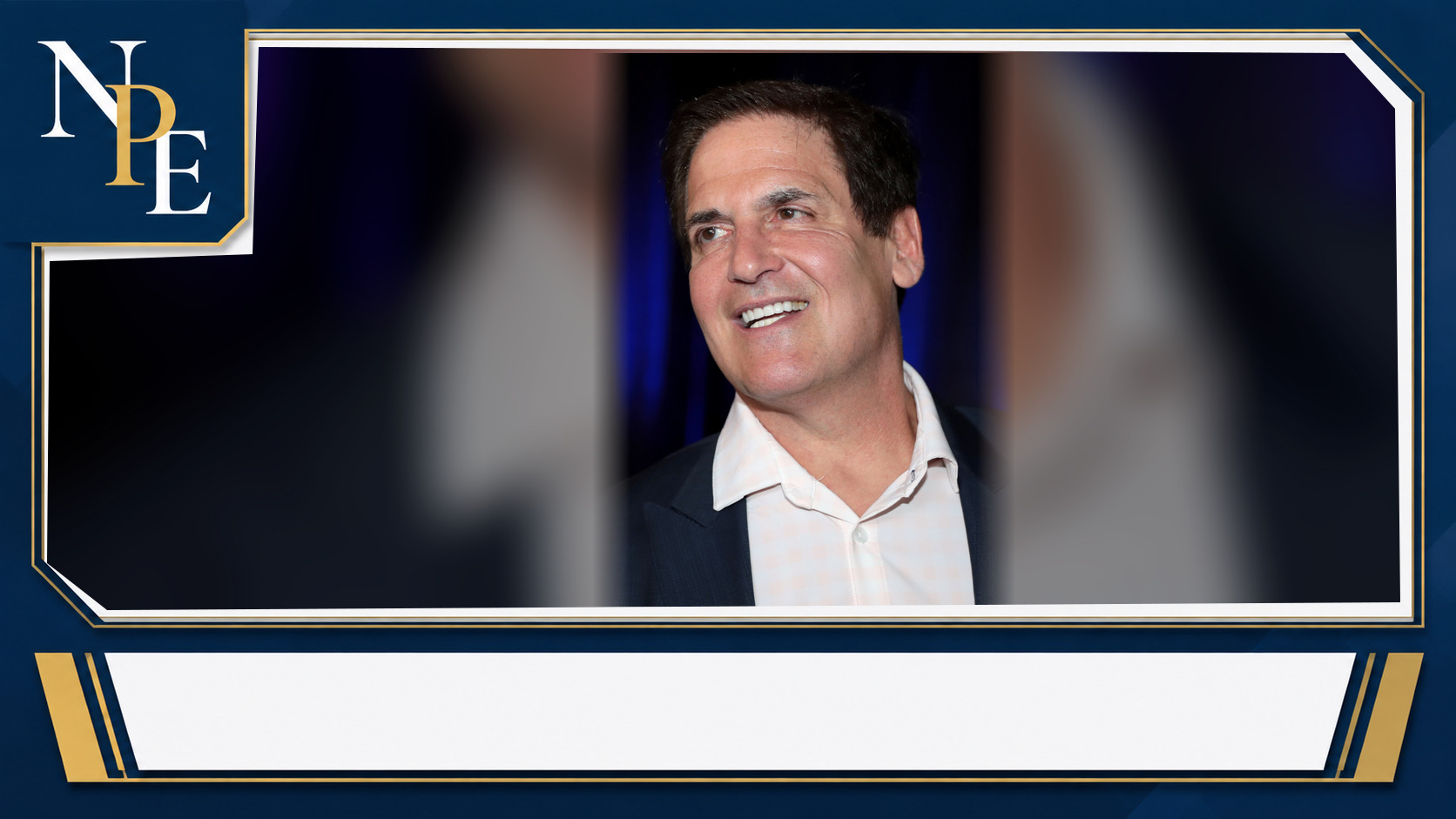
A huge lottery prize can bring more than financial freedom—it can also bring urgent choices and pressure from others. Mark Cuban’s long-running advice focuses on putting guardrails around both.
Mark Cuban urges lottery winners to reject a lump-sum payout, arguing that the safer choice for many people is receiving lottery winnings over time. His advice is not just about the payout: Cuban says winners should slow down, get tax help and handle requests for money without losing their boundaries.
The former Dallas Mavericks owner’s warning resurfaced during giant jackpots, but it addresses a lasting problem. A winning ticket can change someone’s finances immediately; learning how to manage access, expectations and pressure takes far longer.
The cash choice changes the stakes
The advertised lottery jackpot and the cash option are not the same amount. The headline prize generally reflects an annuity paid out over time, while a lump-sum payout represents the amount available upfront under the rules of that game.
That difference is central to Cuban’s view. In comments reported by CBS Miami in 2016, he said winners do not want to “blow it all in one spot.” His concern is less about a winner’s ability to do math than the reality of suddenly having to make decisions involving an enormous pool of money.
Immediate access can make every purchase, investment idea, family crisis and business pitch feel urgent. For a person who has never had to oversee serious wealth, that pressure can be as consequential as the payout itself.
Why Cuban favors scheduled payments
Cuban has consistently preferred an annuity for mega-jackpot winners. CNBC reported in 2024 that he still favored that route, which provides a schedule of payments instead of placing the entire windfall in a winner’s hands at once.
The appeal is behavioral. An annuity can create time between decisions and make it harder to spend a life-changing prize early. It does not turn a winner into a financial expert, but it can limit the consequences of acting before a plan is in place.
That does not mean an annuity is automatically right in every case. Payout structures, tax treatment, claim procedures and privacy rules can vary by game and jurisdiction. Winners need to understand the specific terms attached to their ticket rather than assume the advertised jackpot is the cash amount they will receive.
An annuity is not a universal answer
A lump sum brings flexibility. It may allow a winner to pay obligations, invest or build a broader long-term plan. But flexibility also requires the winner to manage a larger sum right away, tolerate market volatility if investing and avoid offers promising quick returns.
There is no guarantee that investing a lump sum will outperform an annuity once taxes, fees, inflation and a person’s own decisions are taken into account. The answer may also look different for someone with major debts, dependents, estate-planning needs or an established team of fiduciary professionals.
That is why Cuban’s advice works best as a guardrail, not a one-size-fits-all instruction. Before claiming a prize when possible, a winner should ask for the exact cash option and the annuity schedule, and avoid comparing the cash figure with the advertised jackpot as though they are identical.
Professional advice comes before announcements
Cuban’s first tip in the 2016 report was to hire a tax attorney. The broader point is to build a plan before spending, investing, giving money away or telling a wide circle of people about the prize.
Lottery winners may need to secure the ticket, learn the claim and anonymity rules where they live, and assemble qualified advisers. An attorney, accountant or financial planner can help explain tax consequences, document gifts and create structure around decisions that otherwise may unfold in a kitchen conversation or group chat.
That preparation matters because a jackpot does not automatically resolve every concern in a person’s life. Cuban told CBS Miami that money can make life easier by easing worries about bills, but it is not a cure for unhappiness.
Money requests require clear boundaries
Cuban’s other piece of advice can sound blunt: say no when friends or relatives ask for money. Yet the point is not that winners should never be generous. It is that giving should be deliberate instead of an immediate response to whoever asks first or applies the most pressure.
Someone close to a winner may have a real need, and Cuban has said winners may already know whom they want to help. Still, an unplanned gift can create ongoing expectations, while a loan to a relative can become a family dispute. Backing a casual acquaintance’s business proposal can leave the winner tied to someone else’s risk.
A private giving policy can reduce those pressures. It might set aside a fixed amount for gifts, rule out personal loans or direct charitable support through a formal plan. The goal is not to remove compassion; it is to keep every request from becoming a new negotiation.
A polite no can protect relationships
Cuban paired his firm guidance with a reminder: “Be nice. No one likes a mean billionaire.” The line recognizes that sudden wealth is a social change as much as a financial one.
Clear boundaries do not require a winner to disclose account balances, argue about whether a request is deserving or humiliate someone who asks. A simple response—“I’m not making personal loans or financial commitments right now”—can be enough, particularly if it is repeated consistently.
Politeness is not the same as accepting manipulation. If someone reacts to a refusal with anger, threats or pressure, the winner’s safety and privacy take priority over preserving that person’s comfort.
Cuban’s lasting message is not that every winner must reject cash or refuse every appeal for help. It is that a sudden windfall should not be mistaken for sudden expertise. Time, independent guidance and thoughtful limits can make the prize easier to live with long after the jackpot headlines fade.
Leave a Reply