
The proposal is aimed at grocery affordability, one of the most painful household costs in the city. The fight is over whether public stores would deliver real savings or just move the cost from checkout lines to tax bills.
Zohran Mamdani’s plan for city-owned grocery stores in New York City has become a flashpoint because it promises cheaper food while inviting the claim that it is a socialist trap. The grocery store proposal, announced July 27, would create five city-owned stores, one in each borough, and offer 30% discounts on produce, meat and pantry staples to lower costs for New York City shoppers.
Critics cast it as part of Mamdani’s broader democratic socialist agenda. Supporters see the idea as a direct answer to a real pressure point: food prices have risen sharply, and many households are looking for relief that feels immediate, not theoretical.
The discount is the hook
The political appeal is obvious. A city-owned grocery store offering 30% off basic food items is easier to explain than a tax credit, a zoning reform package or a supply-chain study. People know what a grocery receipt looks like, and they know when it hurts.
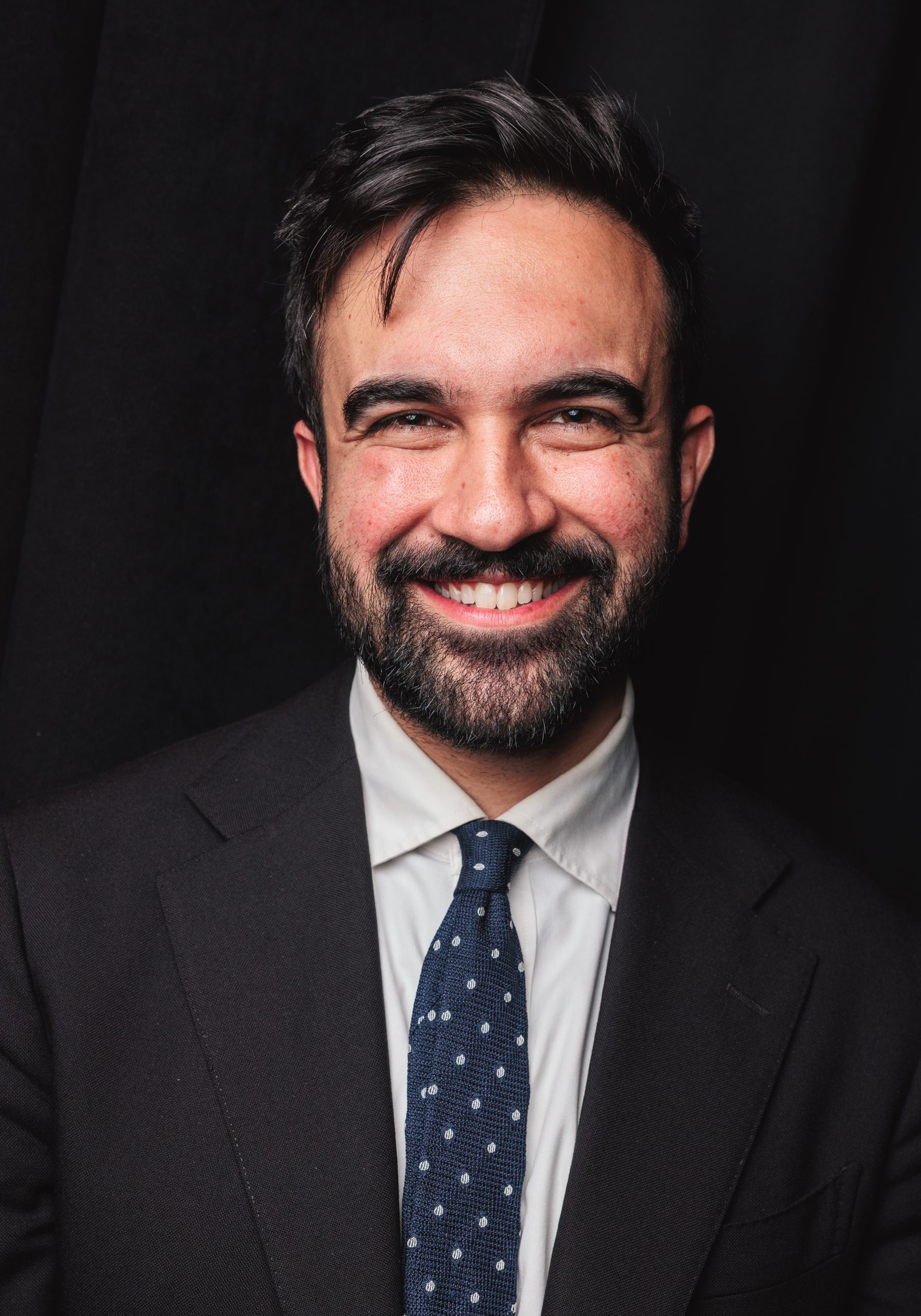
According to the USA Today opinion column that triggered the latest debate, Mamdani said the planned stores would help New Yorkers afford essentials in a city where daily life already strains household budgets. The plan calls for five stores, with at least one opening in late 2027.
The core pitch is not that the city would replace all supermarkets. It is that a small public option could pressure prices, fill gaps and give shoppers a lower-cost alternative for staples.
That is why the proposal has become more than a local retail question. It is now a test of how far city government should go when private markets are producing prices voters increasingly reject.
How the stores would work
The basic outline is simple, though many operational details remain unclear. The city would own the grocery stores. They would sell produce, meat and pantry staples at prices Mamdani says would be meaningfully below what shoppers pay elsewhere.
The plan, as described in the debate around it, includes:
- Five city-owned grocery stores across New York City.
- One store planned for each borough.
- A stated goal of 30% discounts on selected everyday food items.
- At least one store expected to open in late 2027.
- A broader affordability argument tied to rising grocery costs.
The big unanswered question is what sits behind the discount. If the stores sell food below market cost, someone has to absorb the difference. That could mean public land, city funding, lower overhead, bulk purchasing, nonprofit-style margins or ongoing subsidies.
Those distinctions matter. A store that saves money through rent relief and efficient procurement is different from a store that depends on indefinite taxpayer support to keep shelf prices low.
Critics see hidden costs
The strongest criticism is not that cheaper groceries are bad. It is that the price cut may be politically visible while the bill is less visible.
In the USA Today column, the plan is described as a costly socialist experiment. The argument is that New Yorkers would still pay for the discount, just indirectly through taxes or through city money that could have gone to other needs.
Adam Lehodey, a policy analyst at the Manhattan Institute, was cited as arguing that the promised savings are an illusion if taxpayers cover millions in subsidies while stores operate on government land. Small Business Administration Administrator Kelly Loeffler was also cited as warning that taxpayers could pay $70 million to build the stores and continue subsidizing them afterward.
Those claims sharpen the central policy dispute. A shopper may see 30% off at checkout. A taxpayer may see the same discount later in a budget line, a reduced service, or a higher tax burden.
Local grocers could feel it
The other concern is competition. New York City’s food ecosystem is not just national chains. It includes bodegas, independent grocers, specialty markets and small operators working on thin margins.
If city-owned stores can offer subsidized prices, nearby private stores may struggle to match them. That could be welcomed by shoppers in the short term, especially in neighborhoods where food is expensive. But it also raises the risk that public stores undercut the same local businesses that city leaders often say they want to protect.
The scale matters here. Five stores in a city of more than eight million people would not transform the entire grocery market overnight. But even a small program could have local effects if a city store opens near independent competitors.
That is where the proposal needs more detail. Location choices, supplier contracts, pricing rules and subsidy limits would determine whether the stores function as targeted relief or as government-backed competitors with an advantage private shops cannot match.
Supporters have a real argument
The criticism is sharp, but it does not erase the problem Mamdani is trying to address. Grocery affordability is not a fake issue. Food prices have climbed over recent years, and lower-income households feel the squeeze most because food takes up a larger share of their budgets.
Supporters of public retail can argue that government already intervenes in food markets in many ways, from nutrition assistance to school meals to agricultural subsidies. A city-owned grocery store would be more visible, but not necessarily more radical than other public efforts to make food accessible.
They can also argue that private competition has not solved every neighborhood’s food problem. Some communities face high prices, limited selection or poor access. If a city store is placed where the market is failing residents, the case for intervention becomes stronger.
The better defense of Mamdani’s idea is not ideology. It is performance. If the stores can publish clear costs, serve neighborhoods that need them, avoid endless subsidies and prove measurable savings, the plan becomes harder to dismiss as a slogan.
The real test is transparency
Mamdani reportedly said when he floated the idea in 2025 that if it does not work, then the idea was wrong. That is a useful standard only if the city defines failure before opening the doors.
New Yorkers would need to know the full startup cost, the annual operating subsidy, the rent arrangement, the pricing formula and the impact on nearby stores. They would also need to know who benefits: all shoppers, low-income residents, specific neighborhoods or politically selected areas.
The ideological fight will keep getting attention because words like socialism, public option and price controls are powerful shortcuts. But the practical questions are more important. Can five stores make a meaningful dent in grocery bills? Can they do it without draining the budget? Can they coexist with bodegas and independent markets?
Until those answers are clear, Mamdani’s city-owned grocery proposal is best understood as a high-profile affordability experiment. It could become a model for public intervention in essential retail, or it could prove the critics right that a discount at the register is not the same thing as a lower cost.
Leave a Reply