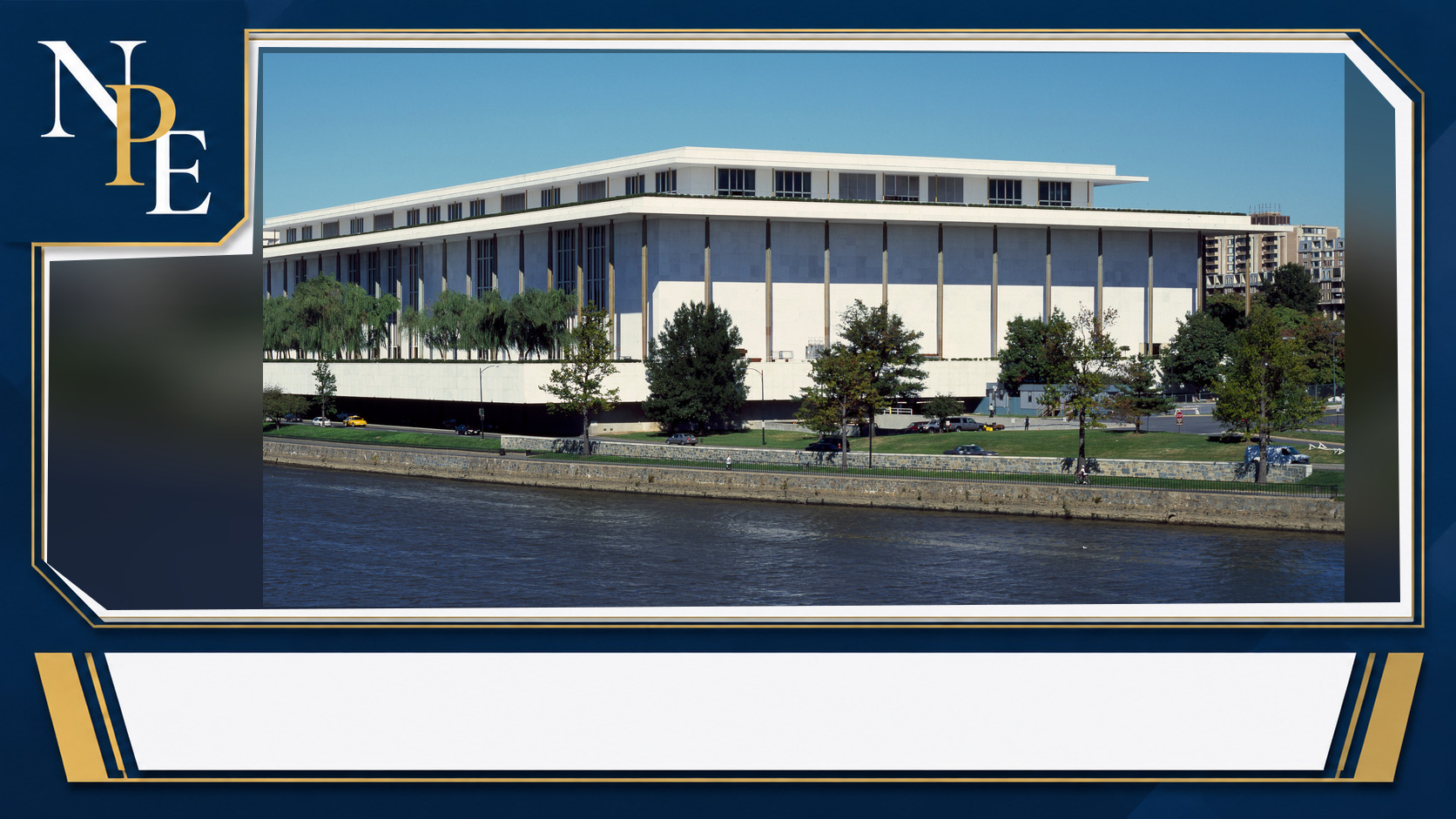
A vote to close the Kennedy Center’s main complex for renovations puts one of Washington’s most prominent arts institutions back at the center of a legal and cultural dispute. The key question is whether keeping the REACH open can preserve enough programming during the two-year project.
The Kennedy Center board approved a two-year closure for renovations, according to people briefed on the decision, reviving a plan to close the Washington performing arts center’s main building while keeping the separate REACH space open for smaller events.
The closure is for renovations, but the vote matters beyond construction. A federal judge previously blocked a two-year shutdown and said the Kennedy Center needed to consider how it would continue congressionally mandated programming during the work.
A second vote on closure
CNN reported that the Kennedy Center’s board voted again to close the main performing arts institution for renovations. The outlet cited two people who were briefed on the decision; the Kennedy Center had not publicly confirmed the vote in the report.
The Associated Press headline also reported that the board had approved a two-year closure, citing sources. The renewed action suggests the board is attempting to move forward after the earlier plan became entangled in court proceedings.
For audiences, resident companies, touring productions and workers, the practical effect could be substantial. The Kennedy Center is not simply a single theater: its complex supports concerts, theater, dance, opera and educational programming across multiple venues.
The REACH is the central exception
Under the reported plan, the REACH would remain open. The REACH is a separate expansion of the Kennedy Center campus, and sources told CNN it would host smaller-scale shows while the main building is closed.
That detail may be the board’s most consequential response to the earlier court ruling. A full closure would have left the institution without public programming on its campus; a limited schedule at the REACH could allow at least some performances and activities to continue.
Still, keeping one portion of the campus open is not the same as operating the Kennedy Center’s major halls. The reporting does not establish how many events would be presented, which organizations would participate, whether education programs would continue at prior levels, or what alternative arrangements might be made for larger productions.
- Main building: reported to be slated for a two-year renovation closure.
- The REACH: reported to remain open for smaller-scale programming.
- Major unanswered issue: whether that limited operation meets the center’s obligations during the project.
A court ruling changed the stakes
The closure plan has already faced legal resistance. In May, U.S. District Judge Casey Cooper in Washington blocked the Kennedy Center’s planned two-year shutdown, according to CNN, and required the board to consider maintaining programming during renovations.
The judge’s concern was tied to the center’s statutory role. The Kennedy Center was created by Congress as a living memorial to President John F. Kennedy and as a national center for the performing arts, giving its operations a public function beyond that of a typical private venue.
The latest reported vote does not, by itself, resolve whether the revised plan complies with the court’s order. That will likely depend on the final details: the scope of construction, the nature and frequency of programming at the REACH, access for the public and any further review by the court.
There is a reasonable case for substantial renovation if building conditions require it. But critics of a lengthy closure can argue that a national performing arts center should not suspend most of its programming without a clear, workable continuity plan.
Renovation is part of a larger fight
The construction dispute has unfolded alongside a broader battle over the Kennedy Center’s leadership, identity and finances. President Donald Trump has made reshaping the institution a priority in his second term, according to CNN’s reporting.
Trump had said the building was in poor condition when he announced earlier plans for a closure. Supporters of an extensive renovation can point to the need to preserve a major public facility and address deferred work without trying to stage large-scale productions around construction.
Opponents see the closure debate in the context of turmoil that has included artist withdrawals, diminished staffing, weaker ticket sales and political controversy, as CNN previously reported. In that view, construction planning cannot be separated from the institution’s ability to rebuild trust with performers and audiences.
The board also reportedly voted to add language below the Kennedy Center sign stating that the complex was “Restored and Renovated by President Donald J. Trump.” That reported inscription is likely to generate fresh criticism because a federal judge had previously ruled that the board could not formally add Trump’s name to the institution.
What remains unclear for audiences
No complete public renovation schedule, budget, construction scope or reopening date was included in the reports. A two-year closure offers a broad timeline, not a detailed operating plan.
Audience members with tickets, subscriptions or planned visits will want clearer answers about cancellations, relocations, refunds and the programming that might be available at the REACH. Performing groups will also need to know whether they can be accommodated elsewhere in Washington or whether seasons will have to be redesigned.
The decision could ultimately be judged less by the fact of renovation than by whether the center maintains a meaningful public presence while work proceeds. A limited but credible program at the REACH would show an effort to keep the institution active; an unclear or sparse schedule would intensify the argument that the country’s premier arts memorial has effectively gone dark.
The next test is implementation
The board’s reported approval is an important step, but it is not the final word. The Kennedy Center may need to provide public details, and the revised approach could face additional legal scrutiny if challengers contend it falls short of the court’s direction.
For now, the central tension is straightforward: the Kennedy Center says, through its reported board action, that major renovation requires a long closure of the main complex. Its critics and the court have raised a competing expectation that the institution must keep serving the public while that work happens.
Whether the REACH can bridge those two goals will determine what a two-year renovation means in practice—not only for the building, but for the artists and audiences who expect the Kennedy Center to remain a functioning national arts institution.
Leave a Reply