The reported remarks are part of a larger contest over who sets the rules in a narrow waterway connecting the Persian Gulf to global markets. About 20% of the world’s oil and liquefied natural gas moves through the Strait of Hormuz.
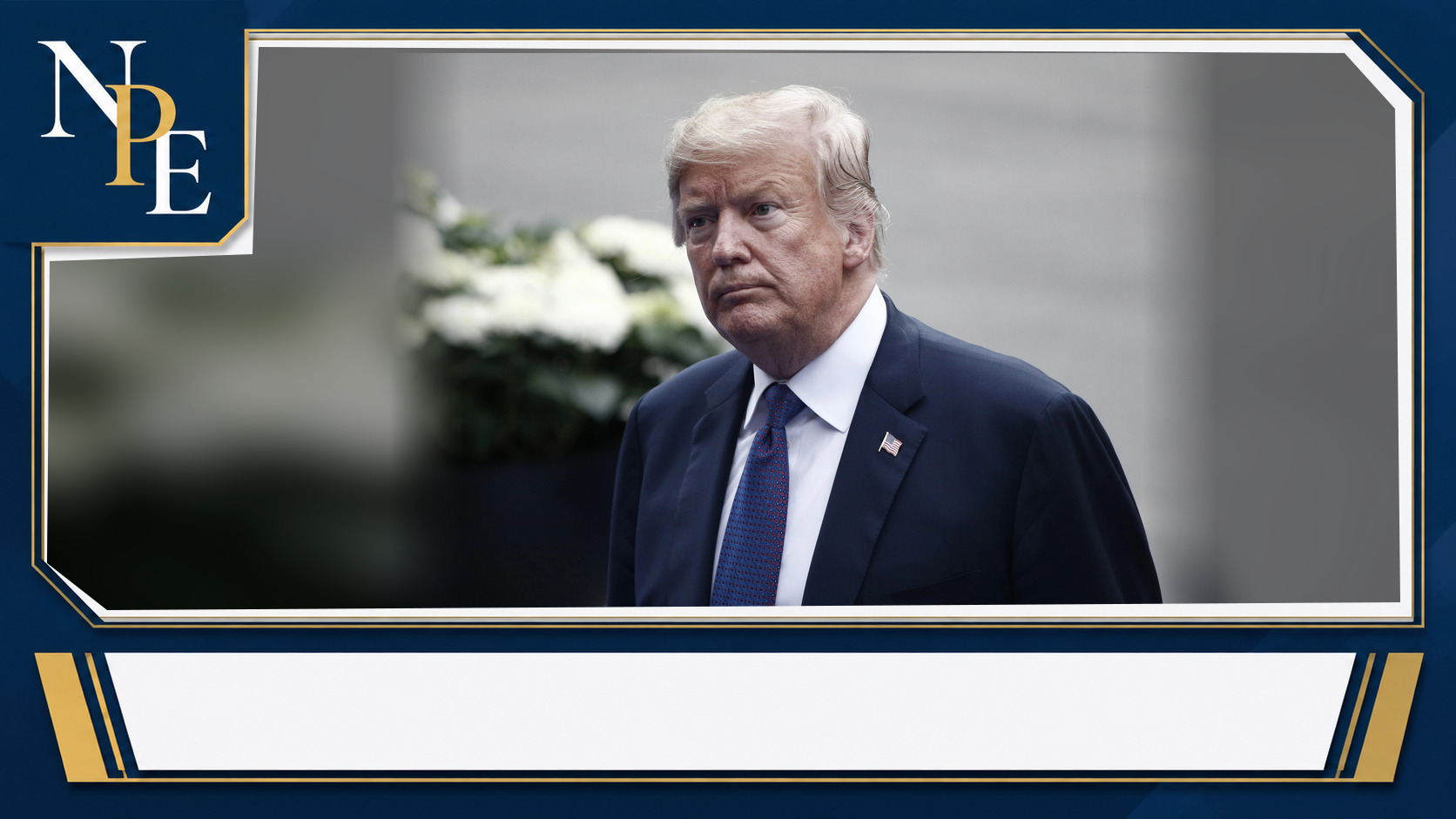
On August 16, an Iranian army chief reportedly threatened Donald Trump over control of the Strait of Hormuz, the vital shipping corridor between Iran and Oman. The reported threat, including a warning that Iran’s defenders would “break your legs,” comes as Iran and the United States remain at odds over passage through a route that carries about 20% of the world’s oil and liquefied natural gas.
The immediate language is stark, but the larger issue is control of a narrow waterway that links the Persian Gulf to the Gulf of Oman. What happens around the Strait of Hormuz can affect commercial vessels, energy supplies, insurance costs and the wider U.S.-Iran relationship.
The threat and its limits
The available material establishes that Iran’s army chief reportedly made the threat to Trump in remarks tied to the Strait of Hormuz. It does not provide a full official transcript, a precise time for the statement or a detailed U.S. response.
Those gaps matter. Aggressive rhetoric can be intended as deterrence, domestic political messaging or an indication of policy, but it does not by itself demonstrate that a new military operation is imminent.
Iranian military figures and officials have used forceful language in response to outside pressure before. The more consequential question is whether the statement is followed by practical changes: new demands on ships, altered navigation rules, military movements or renewed diplomatic contacts.
Why this narrow passage matters
The Strait of Hormuz is geographically small but economically outsized. Iran is on its northern side and Oman is on its southern side, while major energy exporters use the passage to reach customers outside the Persian Gulf.
A Congressional Research Service report describes the waterway as crucial for oil, natural gas and other commodities. It says the strait’s importance to the global economy is unlikely to fade unless alternatives gain substantially more capacity.
That reliance means a disruption does not have to be a formal shutdown to create economic pressure. Vessels can be rerouted, departures delayed, navigation practices changed and insurance premiums raised. Each step can add cost and uncertainty to the movement of goods.
- Gulf exporters depend on Hormuz as a principal path to overseas buyers.
- Energy-importing countries can face delayed or more expensive oil and liquefied natural gas supplies.
- Consumers can feel broader commodity and energy-price pressure when supply routes become less predictable.
- The United States faces intertwined security, diplomatic and economic concerns.
Shipping rules are the real dispute
The struggle is not simply over a line on a map. It concerns which vessels use which channels, whether ships must follow Iranian instructions, who provides security and whether any government can set conditions for transit.
Congressional researchers described a turbulent sequence around Hormuz in 2026. After U.S. and Israeli attacks that began in late February, the report says Iran pursued greater control over shipping, including directing ships through Iranian territorial waters and targeting vessels that did not comply with Iranian demands.
According to the CRS account, the United States and Iran reached a ceasefire in April and signed a memorandum of understanding in June. Conflict resumed in July, when Iranian forces were reported to have attacked commercial shipping considered noncompliant with Iranian directives.
The report says Iranian leaders asserted a right to control shipping across the entire strait, a position CRS characterized as unprecedented. That claim is contested, and the United States has at times sought to help ships use routes outside Iranian waters.
Trump is central to the clash
Trump’s own comments about the waterway have placed him squarely in the dispute. CRS says that during the renewed U.S.-Iran conflict in July, Trump raised the possibility of requiring economic benefits for the United States in return for facilitating and protecting shipping through the strait.
Iranian leaders have tied control of Hormuz to sovereignty and regional power, making that idea particularly provocative from Tehran’s perspective. Washington, meanwhile, regards freedom of navigation as a longstanding strategic concern because disruptions can reach allies, commercial traffic and markets well beyond the Gulf.
There are sharply different views on what the United States should do. Supporters of a stronger security posture argue that credible protection for merchant shipping can deter coercion and reduce the likelihood of sustained disruption.
Critics contend that an expanded military role could deepen the confrontation, heighten the chance of miscalculation and bind the United States more closely to a regional conflict. The tension is between reducing immediate vulnerability at sea and avoiding a broader escalation.
Three possible paths ahead
The CRS report outlined three broad directions, each with significant drawbacks. One would involve a major U.S. military effort to establish control over Iranian coastal areas near the strait.
A second would be a negotiated arrangement among Iran, the United States and other parties covering shipping channels, procedures or payments. A third would involve a reduced U.S. presence in the Gulf.
Military escalation could produce sharper short-term shocks to energy and commodity markets, even if it ultimately weakened Iran’s ability to menace shipping. A negotiated system might lower the near-term danger while changing expectations around relatively free passage. A U.S. pullback could reduce demands on American assets but potentially expand Iran’s leverage.
What would show a real escalation
No firm outcome can be drawn from one reported threat. It remains unclear whether the remarks represent newly announced Iranian policy, whether they were coordinated with other parts of Iran’s security establishment or whether they will change conditions for ships moving through Hormuz.
It is also unclear how the Trump administration will respond publicly or privately. A restrained response could preserve space for de-escalation, while a forceful answer might seek to reinforce deterrence but could bring another round of rhetoric or action.
The most useful signs will be operational rather than rhetorical: formal navigation guidance, new directions to commercial vessels, military assets moving closer to shipping lanes, or diplomatic channels reopening or narrowing. The reported threat matters because it lands in a dispute with consequences far beyond a war of words.
Leave a Reply