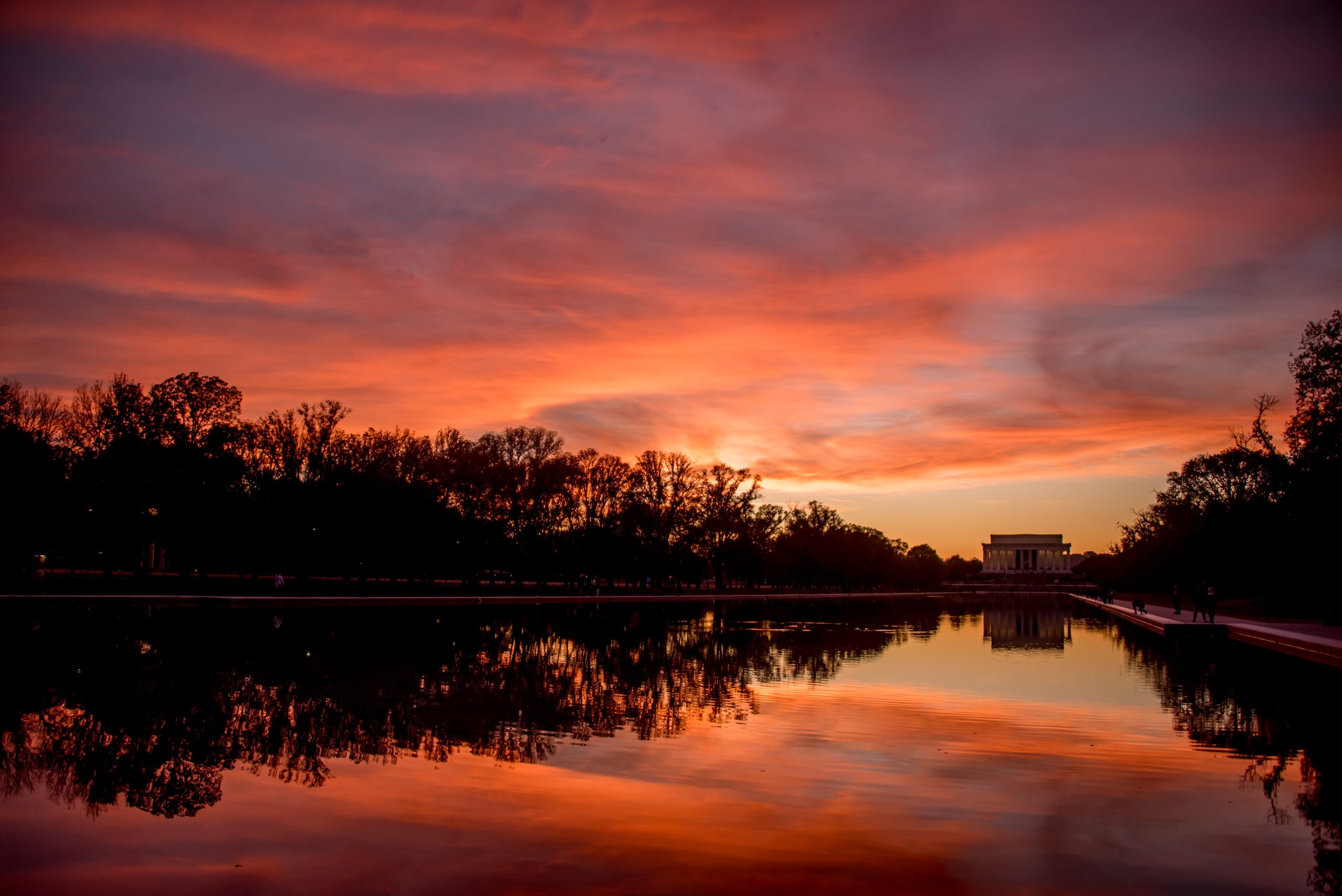
A court filing said Interior Department documents pointed to flawed installation at the Lincoln Memorial Reflecting Pool, changing the government’s case against a visitor accused of damaging it.
Federal prosecutors dropped their case against former Olympic canoeist David “Davey” Hearn after receiving Interior Department records that undercut the allegation that vandalism caused damage to the Lincoln Memorial Reflecting Pool. The records, cited in a filing by the U.S. Attorney’s Office for the District of Columbia, indicated that damage in June 2026 resulted from flawed installation by contractor Atlantic Industrial Coatings.
The development put a legal dispute at the center of a troubled, high-profile renovation. The project had already faced peeling coating, algae after the pool was refilled, a delayed July 4 target and costs that rose far beyond the president’s initial estimate.
Documents changed the prosecution
According to NBC News, prosecutors said they obtained information after Hearn’s July 2 indictment that undermined the evidentiary basis for the case. The Interior Department documents indicated that the damage at issue was tied to flawed installation by Atlantic Industrial Coatings.
The Justice Department said it had not received that information when it sought a grand jury indictment. In its filing, the department said that, after reviewing the evidence, it was difficult to attribute widespread damage to vandalism or prove that conclusion beyond a reasonable doubt.
The government moved to dismiss Hearn’s destruction-of-property case, which alleged more than $1,000 in damage and to which he had pleaded not guilty. Prosecutors also moved to dismiss at least one other misdemeanor case connected to the pool.
The dismissal did not establish that no visitor caused any isolated damage. It meant prosecutors no longer believed they could prove the broader vandalism allegation underlying the charges they brought.
The renovation had missed its target
Trump promoted a plan to coat the Reflecting Pool’s bottom in what he called “American flag blue” before the nation’s 250th anniversary. The pool, which runs between the Lincoln Memorial and the Washington Monument, was initially expected to be ready by July 4.
That schedule slipped. The Associated Press reported that, within days of the project’s initial completion, algae appeared after the pool was refilled and pieces of the new coating seemed to peel from the bottom. By mid-July, AP reporters viewing the drained pool from the Washington Monument found that the liner appeared grayer than it had when the pool was repainted and refilled in early June.
NBC News reported that the work encountered setbacks as costs climbed beyond early estimates. AP reported that Trump initially put the cost at $1.5 million, while the bill had risen to more than $16 million by June.
A no-bid project carried a larger price tag
The New York Times reported that the administration said the Reflecting Pool work was too urgent to allow time to seek competing bids. Atlantic Industrial Coatings received a no-bid contract to repaint and waterproof the pool’s concrete floor.
AP reported that Atlantic Industrial Coatings received a $14.7 million contract. Ohio-based Green Water Solutions, also known as Greenwater Services, received a separate $1.7 million contract to install a water-purification system.
The available material does not establish that the no-bid procurement process caused the installation problems. It does show that the project’s contracting, cost growth and workmanship became part of the scrutiny after the surface began failing.
Trump maintained vandalism caused the harm
Trump had said vandals cut long slits into the Reflecting Pool’s surface and maintained that vandalism caused the principal damage. He later disputed the dismissal, saying in a Truth Social post that he disagreed “100%” with U.S. Attorney Jeanine Pirro’s decision while acknowledging there “may have been some contractor difficulty.”
Hearn told NBC News that the pool looked the same after he put his hands in the water as it had when he arrived. His attorney, Steven Levin, said the case should not have been filed and described the government’s approach as “ready, shoot, aim.”
The court filing did not rule out the possibility of separate misconduct by visitors. Its conclusion was narrower: based on the evidence available to prosecutors, the government could not prove its broader vandalism theory beyond a reasonable doubt.
Key details remain unresolved
Interior Department records cited in the U.S. Attorney’s filing identified flawed installation by Atlantic Industrial Coatings as the source of the June 2026 damage at issue. But the material reviewed does not provide a complete public account of how the coating was installed, when defects were identified or what inspections occurred.
It also remains unclear from that record what corrective work will be required, whether contractual remedies are being pursued or what the project’s final cost will be. What is clear is that the installation evidence altered the government’s criminal cases and intensified scrutiny of the renovation at one of Washington’s most prominent landmarks.
Leave a Reply