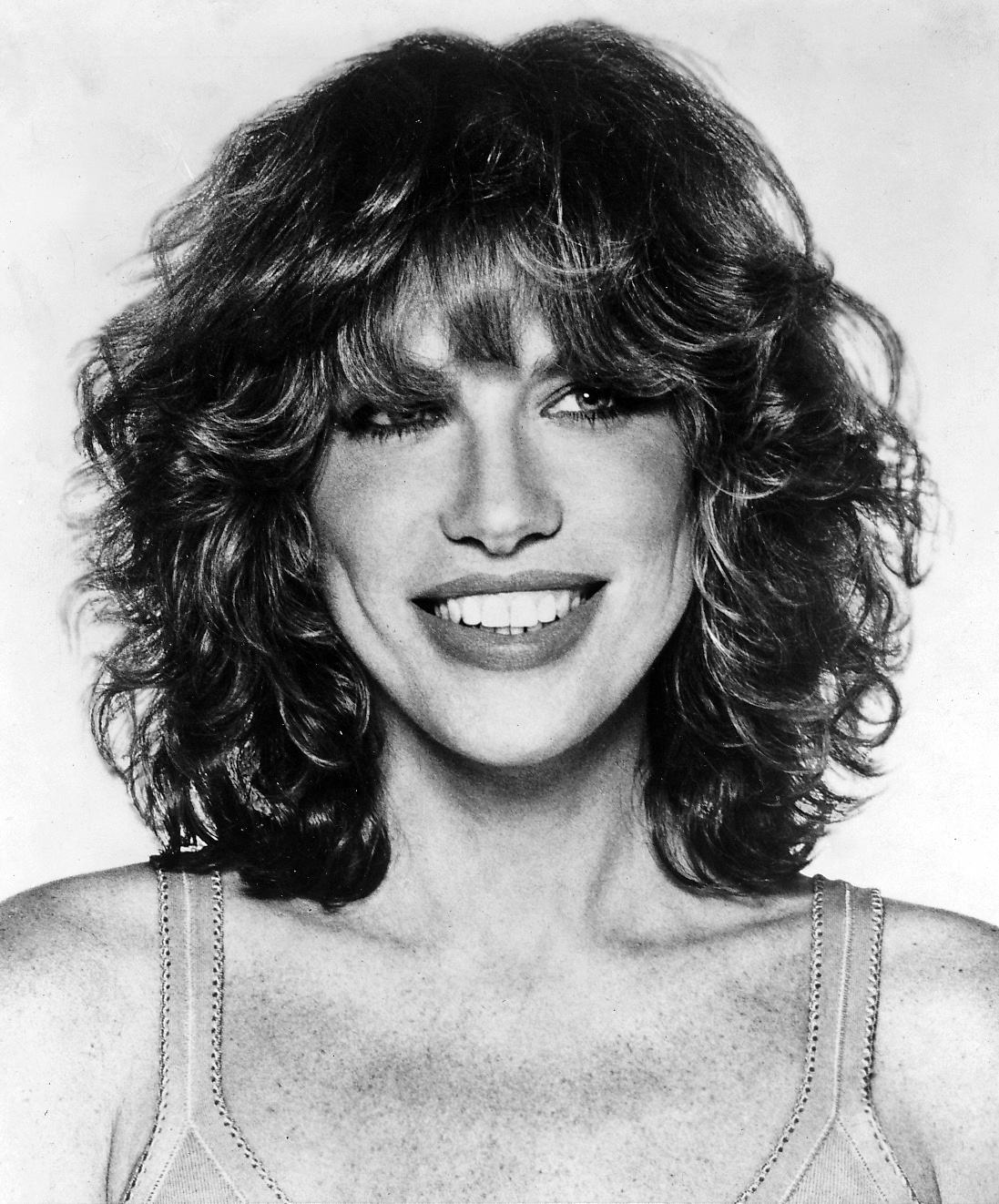
The singer-songwriter framed the news as a personal health update, not a farewell. Her statement adds context to her recent public silence and to the music she is still making.
Carly Simon has Parkinson’s disease, and she was treated for cancer around the time of her diagnosis. In a Monday personal health update, Carly Simon reveals the Parkinson’s disease diagnosis at 83, explaining why she has been less publicly responsive and saying she is still learning how much of her private medical reality to share.
The update matters because Simon is not simply stepping back from the spotlight. She is preparing to release Comes in Waves, her first album of original songs in 18 years, while describing a condition that can alter energy, movement and motivation without erasing a life or a voice.
Why Simon spoke now
Simon said in a statement reported by The New York Times that it took her time to understand the diagnosis, adjust to it and decide what she wanted to say publicly. That hesitation is part of the story: the singer has lived for decades as a public figure, but the details of a neurological diagnosis are not the same as an album rollout or a concert date.
Her statement said she chose to disclose the illness after people began wondering why she had not responded to inquiries during a period of relative silence. That framing is careful. She was not announcing a dramatic retirement or asking for sympathy. She was explaining an absence that others had started to notice.
Simon put it plainly: she has been learning how to live with Parkinson’s disease. The timing of the diagnosis has not been made clear, and she did not lay out a full treatment plan. For now, the public knows what she chose to reveal: a diagnosis, its effect on her daily life and the fact that she is still working.
The cancer treatment she described
Simon also said she was treated for basal cell carcinoma on her face around the time of the Parkinson’s diagnosis. According to the account of her statement, she underwent surgery to remove the cancer, and that surgery affected her appearance.
That detail adds another layer to her recent withdrawal from public view. Simon said the facial surgery made her more self-conscious about being seen in public. For a performer whose face, voice and presence have been part of her career for more than half a century, that is not a minor aside.
It is also a reminder that celebrity health news often arrives flattened into a headline. In Simon’s case, there are at least two overlapping medical experiences: a progressive neurological disease and cancer treatment that changed how comfortable she felt being seen.
The statement did not suggest that the cancer treatment and Parkinson’s diagnosis were medically connected. It described them as happening around the same time in her life, compounding the physical and emotional load she was carrying.
Parkinson’s beyond the shorthand
Parkinson’s disease is a neurological disorder that damages nerve cells in the brain. Common symptoms can include tremors, stiffness and problems with balance and movement. There is no cure, though patients may receive treatment intended to manage symptoms and preserve function.
Simon’s account focused less on the visible symptoms many people associate with Parkinson’s and more on fatigue and apathy. She said there are days when she is so tired she cannot get the day moving at all. She also described apathy as something more complicated than sadness or laziness.
That distinction matters. Parkinson’s is often reduced in public conversation to tremors, but people living with the disease can also experience changes in energy, mood, motivation and cognition. Simon’s phrasing gave readers a more intimate view of how illness can interfere with the simple act of beginning a day.
She also said Parkinson’s has sometimes given her more room to move, think, work and feel like herself. That may sound contradictory, but chronic illness often is. A diagnosis can narrow life in some ways while forcing a new rhythm in others.
Music is still organizing her days
Simon is best known for songs including You’re So Vain, Nobody Does It Better and Let the River Run. The last of those earned her an Academy Award, a Golden Globe and a Grammy, placing her in a rare class of songwriters whose work crossed pop charts, film and awards history.
Her new album, Comes in Waves, is scheduled to arrive next month, according to The New York Times. Its lead single, Howl, came out in June. The album is notable even apart from the health disclosure because it is her first collection of original songs in 18 years.
In her statement, Simon described music as a stabilizing force. Working on the album gave structure to her days and offered a destination that did not require leaving the room. That is one of the most revealing parts of the update: creativity did not make the illness disappear, but it gave her a way to keep moving through it.
For fans, the disclosure may change how the album is heard. It should not reduce the work to a medical document, but it does provide context for an artist returning with new songs while openly acknowledging the limits and adjustments of her current life.
Privacy and public curiosity
There is an uneasy balance in stories like this. A famous artist’s health disclosure can help reduce stigma, especially when it names symptoms that are often misunderstood. It can also invite a level of public curiosity that no one, famous or not, is obligated to satisfy.
Simon’s statement appears designed to hold that boundary. She offered enough detail to explain her silence and update people who care about her, while leaving key medical specifics private. That includes when exactly she was diagnosed, what treatments she may be receiving for Parkinson’s and how her condition may affect future appearances.
What is known is clear:
- Simon, 83, has been diagnosed with Parkinson’s disease.
- She was evaluated at the Mayo Clinic before receiving the diagnosis, according to her statement.
- She was also treated for basal cell carcinoma on her face with surgery.
- She is preparing to release Comes in Waves, her first original album in 18 years.
What remains unclear is just as important. The statement does not map out a public schedule, a prognosis or a definitive next chapter. It gives a snapshot of a person adapting to illness while still insisting on presence.
Still very much here
The emotional center of Simon’s update is not the diagnosis itself. It is her refusal to let the diagnosis become the whole story. She acknowledged leaning on others more than she once did and accepting that every day will look different.
That is a sober message, not a neatly inspirational one. Parkinson’s disease is serious, and cancer surgery on the face can carry physical and psychological consequences. Simon did not minimize either experience.
But she also did not frame the update as an ending. Her new music, her explanation of recent silence and her direct language about fatigue and apathy all point to the same takeaway: Carly Simon is living with significant health challenges, and she is still participating in her life and work on her own terms.
Leave a Reply