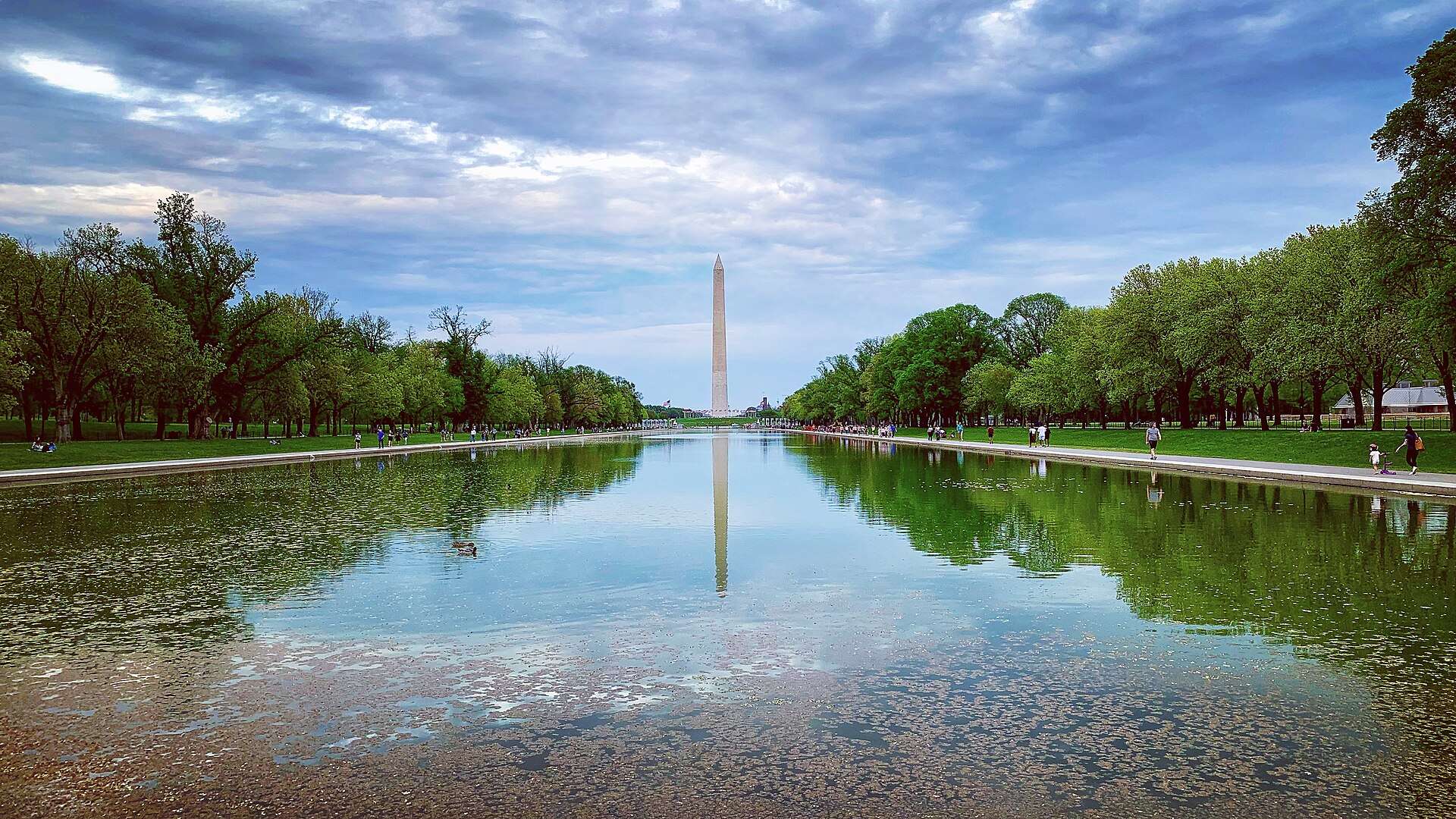
The dispute now turns on a narrower question than who blamed whom: whether prosecutors could prove the charged damage beyond a reasonable doubt after new records complicated the vandalism theory.
The Lincoln Memorial Reflecting Pool case shifted from a vandalism prosecution into a fight over evidence after Jeanine Pirro’s office moved to drop charges against David Hearn. According to the Associated Press, prosecutors said additional Interior Department records made it difficult to attribute the pool’s widespread damage to vandalism, let alone prove that claim in court.
Trump rejected that conclusion and publicly criticized Pirro. The result is a rare collision between a president’s account of damage at a national landmark, an agency’s defense of its evidence and a prosecutor’s decision that the case could no longer be sustained as charged.
The burden of proof became the central issue
According to AP, Pirro, the U.S. attorney in Washington, moved to drop felony vandalism charges against Hearn after prosecutors reviewed additional Interior Department records. Hearn, identified by AP as a former Olympian, had been accused of damaging the Lincoln Memorial Reflecting Pool after renovation work.
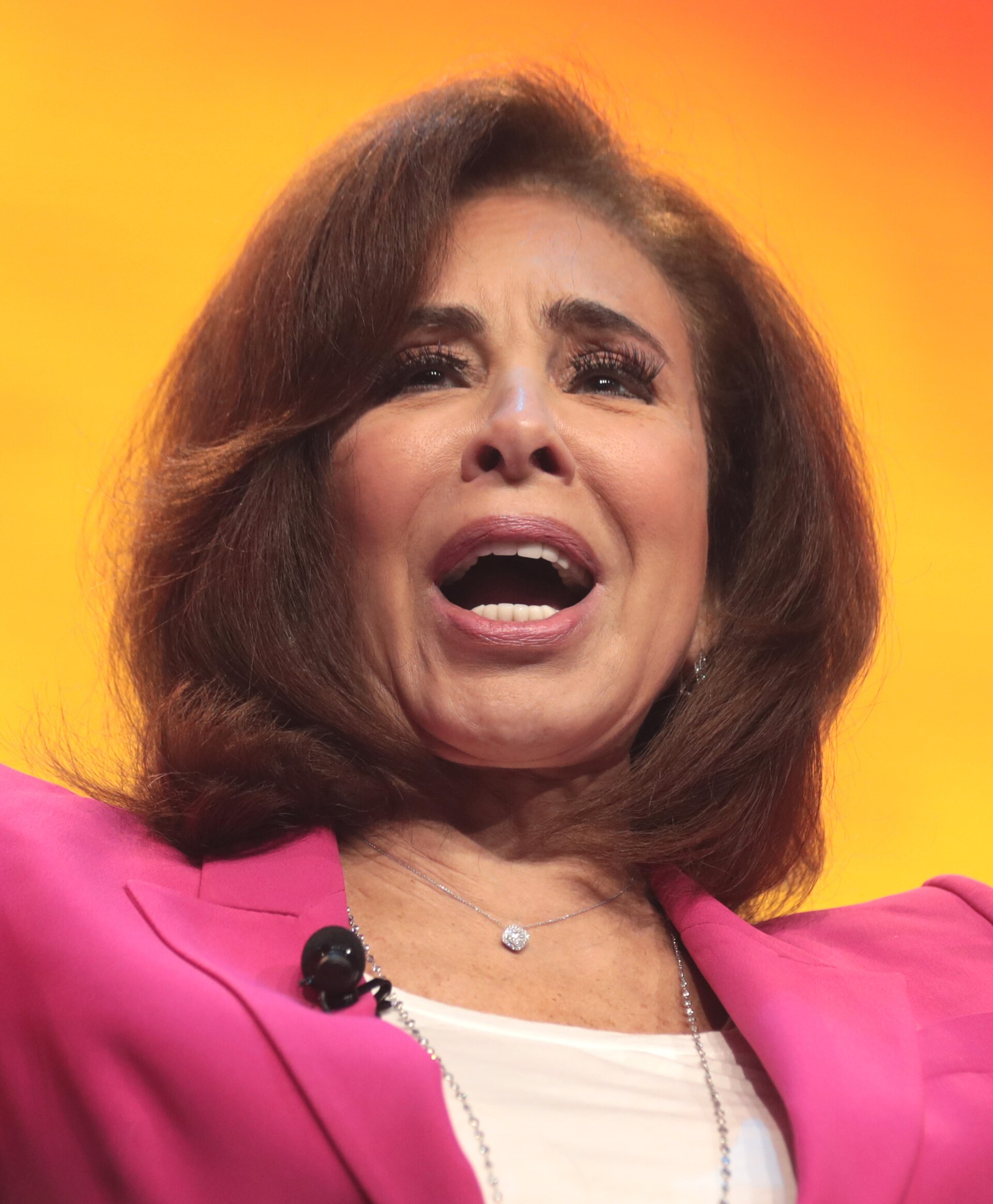
The government filing described a changed evidentiary picture. Prosecutors said the records pointed to a flawed installation of a new pool liner and pressure to finish work before events connected to the America 250 celebration around Independence Day 2026.
That did not simply create a public-relations problem. It created a courtroom problem. Prosecutors said the broader condition of the pool made it difficult to prove that vandalism caused the damage beyond a reasonable doubt.
What weakened the case against Hearn
Hearn had been accused of pulling up part of the pool lining. But prosecutors later said the specific allegation did not explain what they were seeing across the site.
In the filing described by AP, Pirro’s office said a visual inspection found damage throughout the Reflecting Pool, including in the middle. Prosecutors said that location mattered because a vandal would not likely have tried to peel up lining from that area.
The filing also criticized the Interior Department’s earlier handling of information. Pirro’s office said Interior had provided “less than complete information” at the start of the case and said the government would not have sought a grand jury indictment if the department had been forthcoming with information it already possessed.
That is the legal hinge of the dispute: the government may suspect or allege vandalism, but continuing a criminal case requires evidence that can support the charge against the defendant.
Trump rejected Pirro’s assessment
According to AP, Trump posted that he “disagree[d] 100%” with Pirro about the Reflecting Pool. He acknowledged that there “may have been some contractor difficulty” with the pool liner, but maintained that “the major damage was caused by VANDALS!”
The New York Times reported the episode as a rare public rebuke from Trump after Pirro moved to drop the case. The criticism put Pirro in the position of defending a prosecutorial reversal that cut against Trump’s public explanation for the damage.
According to a CBS News report republished by MSN, Pirro brought evidence to show Trump what caused the damage. The point of that presentation, as reported, was that the damage was not mainly a vandalism matter in her view.
Interior disputed the prosecutor’s criticism
The Interior Department offered a different account of what its records and evidence showed. According to AP, Interior Secretary Doug Burgum posted on X that some acts of vandalism were captured on video.
Burgum also said Interior had provided the U.S. Attorney’s Office with expert and eyewitness testimony about damage done by vandals. He said the department supplied the evidence prosecutors requested on the timeline for each area of damage at the pool.
That leaves two competing descriptions of the same evidence trail. Pirro’s office said later-provided records undermined the indictment. Interior said it supplied evidence supporting vandalism and complied with requests.
Both versions allow for the possibility of more than one cause. There may have been vandalism, and there may also have been flawed construction. The criminal case, however, turned on whether prosecutors could prove Hearn caused the charged damage.
What remains unresolved
According to AP’s account of the filing, a judge still had to act on the government’s request to formally dismiss the case. If the request is granted, Hearn would no longer face that prosecution.
The broader dispute could outlast the criminal filing. Remaining questions include how much damage was tied to construction problems, how much may have involved vandalism and whether agencies shared complete information quickly enough before prosecutors sought an indictment.
The case also shows how a high-profile charge can narrow quickly once records, inspections and agency communications are tested against the burden of proof. For Trump, the Reflecting Pool damage remained a vandalism story. For Pirro’s office, the filing said the evidence no longer supported carrying that theory into court against Hearn.
Leave a Reply