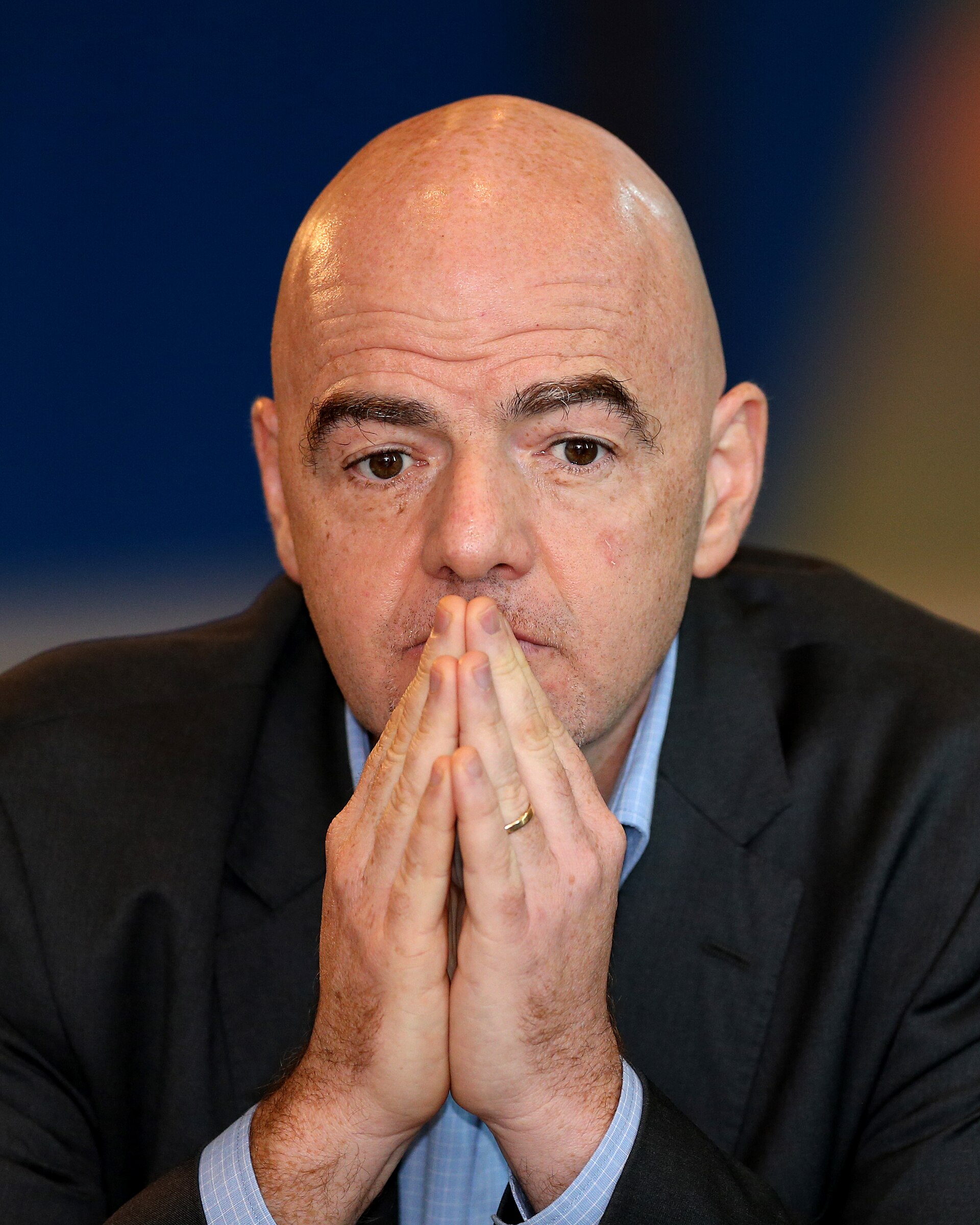
The dispute has widened from a business plan into a test of trust inside soccer’s governing body. At issue is who gets to shape the World Cup’s future — and how much scrutiny FIFA’s president now faces.
Gianni Infantino is facing a FIFA crisis in Zurich after Reuters reported on Tuesday that new allegations and World Cup controversy are driving the crisis around soccer’s governing body. The turmoil centers on FIFA President Gianni Infantino, an abandoned proposal to sell a stake in the World Cup, and a formal complaint backed by the Norwegian Football Federation.
This article explains why FIFA is in turmoil now: the fight is no longer only about one proposal, but about whether Infantino still has the confidence of key figures inside world football.
A World Cup plan backfires
The immediate flashpoint is Infantino’s abandoned proposal to sell a stake in the World Cup, a move Reuters described as triggering a deepening crisis inside FIFA. The plan, according to Reuters, has drawn battle lines as key figures break ranks with the FIFA president.
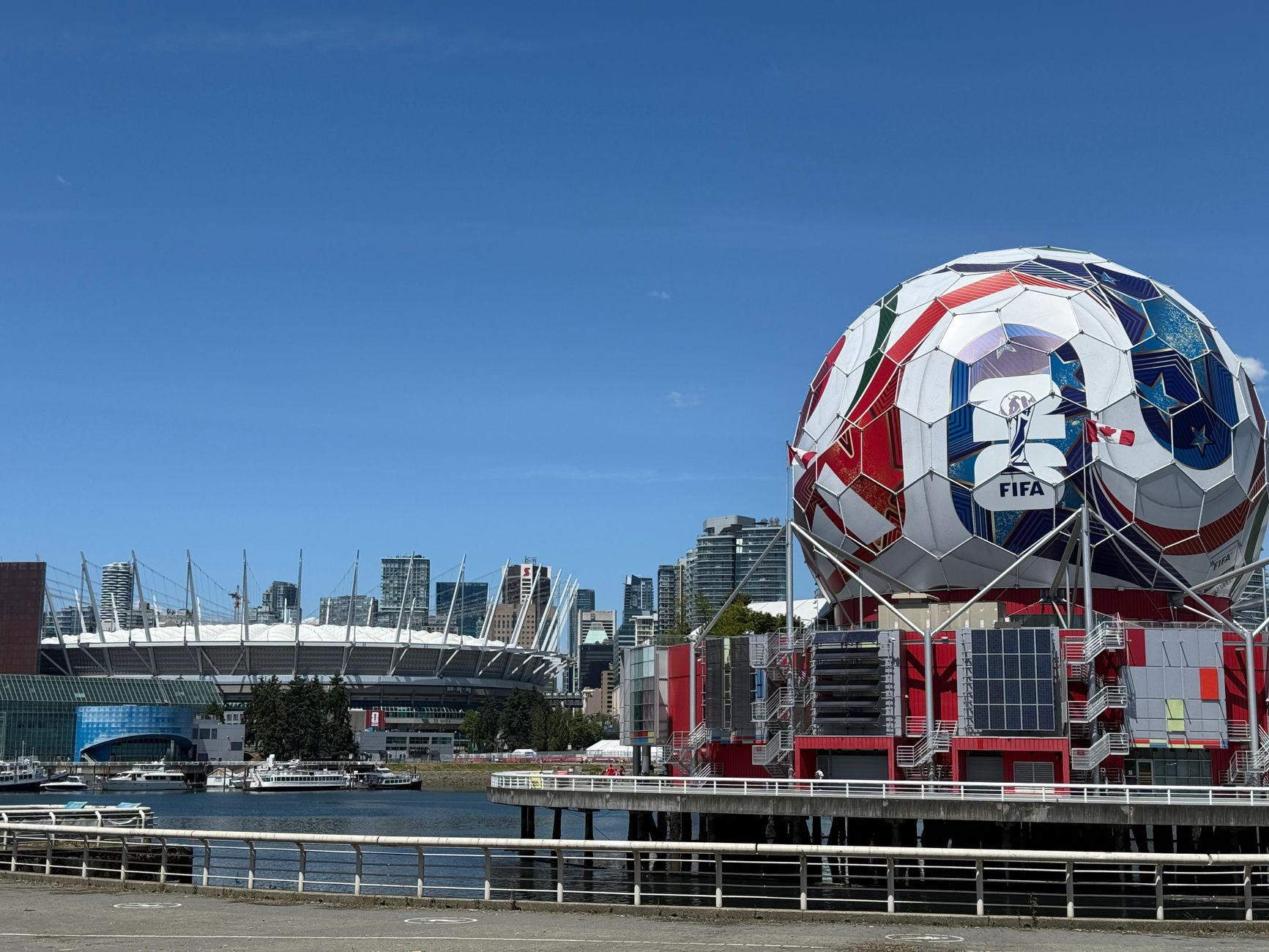
For FIFA, few assets carry more political and financial weight than the World Cup. Any suggestion that outside investors could gain a stake in the tournament cuts directly into questions of control, revenue and the identity of the sport’s biggest event.
That is why the retreat matters. A shelved proposal can fade quietly if the organization remains united. This one appears to have done the opposite, giving critics a concrete example for a larger argument: that major decisions are being pushed too quickly, with too little consultation.
The Norwegian complaint adds pressure
The pressure on Infantino is not limited to the World Cup stake-sale dispute. Reuters separately reported in June that the Norwegian Football Federation had formally backed an official complaint against FIFA President Gianni Infantino over an alleged breach.
The existence of a formal complaint does not mean wrongdoing has been established. It does, however, place governance concerns into a more official lane than normal political grumbling among football officials.
That distinction matters because FIFA has spent years trying to rebuild its image after past corruption scandals. Even unproven allegations can carry significant institutional weight when they involve the president of an organization responsible for global competitions, development money and the rules that bind national associations.
The Norwegian federation’s support also gives the complaint a national-association dimension. In FIFA politics, member associations are not spectators. They are the electorate, the power base and, when they choose to act together, the mechanism that can make a leadership crisis real.
Why Europe’s reaction matters
The Guardian, in a strongly worded opinion piece, argued that Infantino should step down or be removed, citing the World Cup stake-sale proposal and a wider pattern of controversies. The column also described UEFA criticism of what it called “secret schemes on fast track timescales” as part of the backlash.
That is opinion, not a legal finding. But it reflects the intensity of anger now surrounding FIFA’s leadership, especially among European football figures who already have a complicated relationship with Infantino’s presidency.
Europe does not control FIFA by itself. The global body’s politics are broader, with confederations across Africa, Asia, the Americas and Oceania holding major influence. Still, UEFA’s public posture can shape the mood around FIFA because European clubs, broadcasters, federations and players sit at the center of the sport’s richest commercial ecosystem.
If European officials remain aligned in opposition to Infantino’s approach, the issue becomes harder for FIFA to dismiss as routine institutional friction. The crisis becomes a test of whether the president can still broker consensus among regions that often want different things from the global game.
Infantino’s growth argument has risks
Infantino’s supporters can argue that FIFA needs to keep expanding its revenue base if it wants to fund development programs and grow football beyond its traditional power centers. The World Cup is the engine that pays for much of that ambition.
That is the strongest case for exploring new commercial structures: the sport is global, the costs are rising, and FIFA’s members regularly expect more money, more competitions and more investment. Private capital can look like a tempting shortcut.
The counterargument is that the World Cup is not just an asset. It is a public-facing sporting institution whose legitimacy depends on trust. Selling any kind of stake, influence or financial exposure tied to it can be seen as handing part of football’s crown jewel to interests that do not answer to fans, players or national associations.
That is the tension now surrounding Infantino. A leader can survive a failed idea. It is harder to survive if critics believe the failed idea revealed how decisions are really being made.
FIFA’s trust problem is old
FIFA entered the Infantino era after years of reputational damage. That history is why governance disputes inside the organization tend to escalate quickly. The public memory of FIFA scandals has made promises of transparency especially important.
The current controversy also lands at a sensitive moment for the World Cup brand. The tournament has already expanded, future hosting decisions have drawn scrutiny, and the commercial value of global soccer continues to climb. Every structural change now carries both sporting and political consequences.
The Guardian piece pointed to broader complaints around FIFA decision-making, including recent tournament and governance controversies. Some of those claims are part of political argument rather than adjudicated fact, but they show how quickly separate grievances can merge into one narrative about leadership style.
That narrative is dangerous for any FIFA president. Infantino’s authority rests not only on formal rules, but on the perception that he can keep a sprawling, often divided football world moving in the same direction.
What remains unresolved
The clearest known development is that the World Cup stake-sale proposal was abandoned. The unresolved question is whether that retreat ends the dispute or simply marks the point at which critics decided Infantino had overreached.
Reuters’ reporting that battle lines have been drawn suggests the fallout is still active. The Norwegian-backed complaint adds another track, though the process, timeline and potential consequences remain unclear from the public record cited so far.
FIFA’s next moves will matter: whether it offers a fuller explanation of the abandoned proposal, whether it engages critics inside the confederations, and whether the complaint process produces any formal response. Infantino’s own message, as described by The Guardian, has been to resume dialogue about football’s growth.
The clean takeaway is that this is not only about one abandoned World Cup business idea. It is about power, process and confidence at FIFA — and whether the people who run world football believe Gianni Infantino can still lead it without making the institution’s trust problem worse.
Leave a Reply