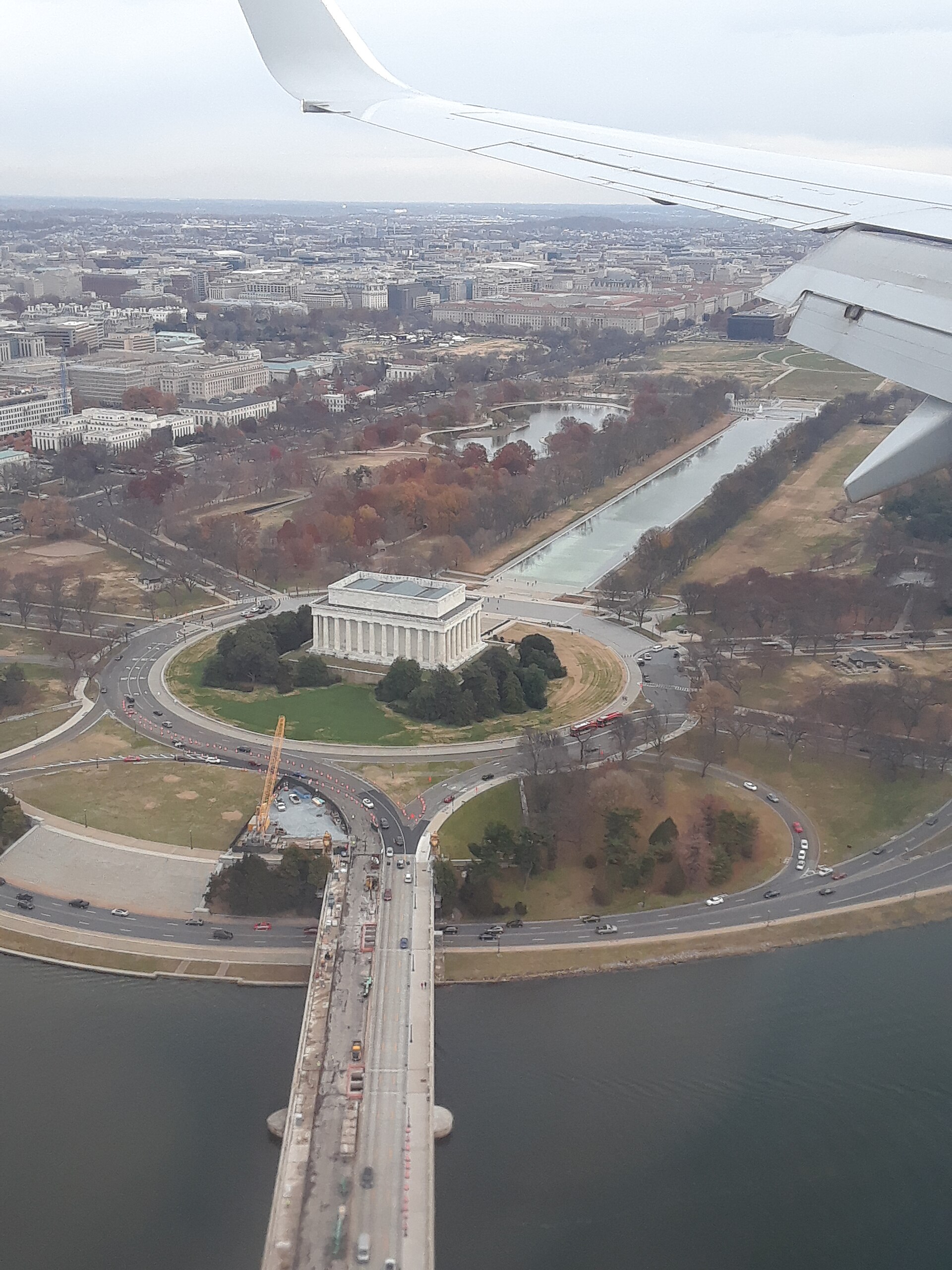
The fight is about more than a messy landmark photo. Garcia is targeting noncompetitive contracts, contractor ties and whether taxpayers paid premium prices for work that quickly showed visible problems.
Robert Garcia is demanding answers about Trump’s $14 million reflecting pool renovation after the Lincoln Memorial Reflecting Pool on the National Mall in Washington, D.C., showed algae and chipping or peeling paint. Reuters reported the visible paint problems on Thursday, and Garcia’s House Oversight Democrats announced on Wednesday that he was pressing contractors for records.
The criticism lands because this is not just any pool. It is one of the most photographed public spaces in the country, and Garcia is arguing that a costly renovation backed by President Donald Trump has already become evidence of poor execution, weak oversight and questionable contracting.
Garcia targets the contractors
Rep. Robert Garcia of California, the ranking Democrat on the House Committee on Oversight and Government Reform, sent demands for information to Green Water Solutions and Atlantic Industrial Coatings, according to a statement from House Oversight Democrats.
The committee Democrats said Green Water Solutions handled algae-related work and Atlantic Industrial Coatings was hired to paint the reflecting pool. Garcia’s office accused the project of wasting taxpayer money after the pool, despite its $14 million cost, was described as filled with algae and showing paint chipping.
Garcia’s statement was blunt. He called the renovation “Donald Trump’s disastrous renovation of our national reflecting pool” and described it as a “failed vanity project,” according to the House Oversight Democrats release.
Those are political charges from the committee’s Democratic minority, not findings from an inspector general or a court. But the demand letters signal a push to turn a visible maintenance embarrassment into a document fight over who got paid, how they were chosen and what the public received.
The visible problem at the pool
The Lincoln Memorial Reflecting Pool has symbolic weight because of where it sits: between the Lincoln Memorial and the Washington Monument, at the center of the National Mall’s civic landscape. When the water is clean and still, it functions almost like a national mirror.
That is why algae and peeling paint are more than cosmetic details. Reuters reported that paint on the newly renovated pool was already peeling away from the bottom and into algae-colored water. House Oversight Democrats used similar language, saying the pool was “filled with algae” and had paint chipping despite the cost.
Large shallow pools can be difficult to maintain, especially in summer heat, heavy visitation and changing weather. Paint failures can also have technical causes, including surface preparation, curing conditions, water chemistry or product selection.
Garcia’s argument is that those practical complications make the contracting questions more important, not less. If the work was specialized and the site was nationally significant, Democrats are asking why the results appeared so visibly poor so quickly.
Why the contracts are disputed
The sharpest part of Garcia’s demand concerns the way the contracts were awarded. House Oversight Democrats said the National Park Service awarded noncompetitive contracts to Green Water Solutions and Atlantic Industrial Coatings, bypassing the competitive-bidding process that is typically used to lower costs and compare vendors.
Noncompetitive federal contracts are not automatically improper. Agencies can use them in certain circumstances, including urgent needs, specialized services or limited-source justifications. The key question is whether the agency documented a valid reason and whether taxpayers got fair value.
Garcia’s office also raised concerns about connections between the contractors and Trump-linked entities. The release said the owner of Green Water Solutions donated extensively to Trump’s campaign and Trump-linked groups, including $250,000 to the Trump Victory fundraising committee in 2020.
The same release said Atlantic Industrial Coatings had never won a federal contract before and had done work on pools at a Trump golf course. Those claims are central to Garcia’s pressure campaign, though the available source material does not include responses from the companies, the National Park Service or the White House.
What Garcia is asking for
Garcia is seeking documents and information from the two contractors. The House Oversight Democrats release says the letters were sent to understand how the project was awarded and why the renovation deteriorated into visible algae and paint problems.
In one excerpt released by the committee Democrats, Garcia wrote that the administration “skirted standard contracting practices” to award noncompetitive contracts to Trump donors and acquaintances. He also wrote that the pool’s new paint was flaking off “in chunks” while algae consumed the water.
The committee minority’s language is aggressive, and that matters. Oversight letters from ranking members can generate records, headlines and political pressure, but they do not carry the same unilateral force as a subpoena issued by a committee majority.
That means the next phase may depend on whether the contractors respond voluntarily, whether any records reveal problems in the procurement process, and whether the National Park Service offers a technical explanation for the condition of the pool.
A landmark becomes a test case
Public frustration over infrastructure spending often grows from simple visuals: a road repaved and quickly cracked, a transit project over budget, a public building renovated and still leaking. The Lincoln Memorial Reflecting Pool story fits that pattern because the problem is easy to understand at a glance.
The politics are also unusually charged. Trump has long made aesthetics, monuments and federal symbolism part of his political identity. Garcia is using that same terrain to argue that the administration prioritized spectacle and loyalty over competence and cost control.
Supporters of the administration may see the criticism differently: as Democrats seizing on maintenance issues at a high-profile landmark to score political points. They may also argue that algae blooms and paint deterioration can arise from environmental or technical conditions that are not proof of corruption.
Both things can be true at once: a public landmark can have practical maintenance challenges, and a costly, noncompetitive contracting process can still deserve scrutiny. The facts that remain unanswered are the ones Garcia is now trying to force into view.
What remains unclear
The public record described in the House Oversight Democrats release leaves several important questions open. It does not establish who made the final contracting decisions inside the National Park Service, what technical standards were written into the contracts, or whether the companies warned about risks before the work began.
It also remains unclear whether the visible algae and paint problems are temporary defects, warranty issues, design failures or signs of deeper mismanagement. Those distinctions matter because they determine whether taxpayers are likely to pay again for repairs or whether contractors may be responsible for fixing their work.
The National Mall is maintained for millions of visitors and carries a kind of public trust that ordinary government projects do not. When a $14 million renovation at that site quickly becomes a political controversy, the stakes are not only about appearance.
The clean takeaway is that Garcia has opened a new oversight front around a very visible failure claim. The documents, if produced, will determine whether this remains a partisan clash over an embarrassing landmark repair or becomes a clearer case study in how federal contracts can go wrong.
Leave a Reply