
The ambassador's unusually forceful language puts fresh attention on a dayslong siege in Qusra, where residents say settlers and military restrictions left families unable to move freely or receive essentials. The immediate safety of the homes and their occupants remains unsettled.
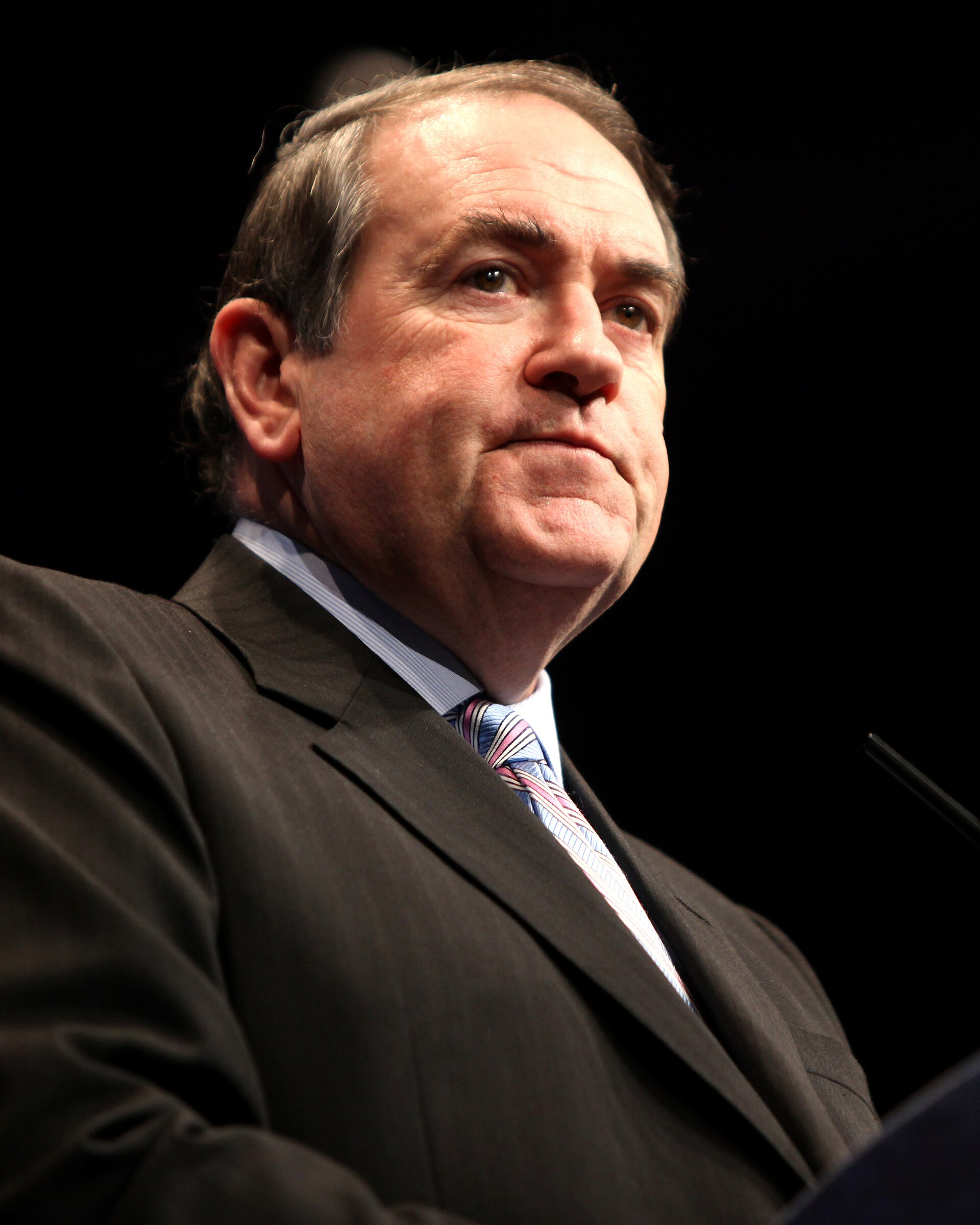
Israeli settlers besieged three Palestinian homes in the West Bank village of Qusra beginning Sunday, cutting residents off from water, electricity and essential supplies, according to homeowners and local officials. On Thursday, U.S. Ambassador to Israel Mike Huckabee called the siege a “horrific act of terror”; one of the homes is owned by Palestinian American Loui Ridi.
The sharp language matters because Huckabee is a longtime ally of Israel’s settler movement, making his public rebuke an unusual signal from the U.S. government as families said they remained unable to safely leave or receive food and water.
Three homes under pressure
Residents said settlers gathered around the houses on Qusra’s outskirts for several days. At times, they numbered in the dozens, threw stones, tried to bring down a nearby stone wall and blocked occupants from leaving, according to local officials, Ridi and his brother.
Ridi, who lives in Ohio, told The Associated Press that settlers had targeted his property for months before the confrontation escalated. He said water and electricity to the home had been cut and that stones damaged the property.
His brother, Qusai Abu Rida, said he and his teenage son had stayed inside to defend the house. Speaking while the operation was unfolding, he described the practical danger of an extended confinement: no new food or water had reached them for several days.
“We are prisoners in our own house, hostages in our own house,” Ridi said, describing the family’s situation.
Huckabee’s unusually blunt rebuke
Huckabee said on X that actions by those responsible for the siege, which he said were intended to intimidate and harass the family, were “disgusting.” He said the U.S. Embassy was coordinating with the Israeli military and police.
Calling an attack by settlers an act of terror is especially notable coming from an ambassador who has previously supported Israeli control over the occupied West Bank. He has also condemned settler violence.
The statement does not by itself establish what policy response Washington will pursue. But it places a senior U.S. official unmistakably on record against the conduct alleged in Qusra, rather than limiting criticism to a general appeal for calm.
That distinction matters in a conflict where official wording is scrutinized closely by Palestinians, Israeli leaders, settlers and foreign governments. A public condemnation can increase pressure for a visible investigation or protective measures, even when it does not guarantee either.
Israeli forces moved into Qusra
Israel’s military said troops dismantled two illegal outposts near the homes and a nearby village, detained one Israeli and sent additional soldiers for defensive missions and patrols.
The military had condemned the siege earlier in the week as illegal, reprehensible and unacceptable, and declared the area a closed military zone. Yet residents said dozens of settlers returned the following day and blocked a road with rocks.
Qusra Mayor Abdel Azim Wadi said Israeli forces evacuated seven homes in total so troops could take up positions in the village. The military later said soldiers had been instructed to let families remain in their homes and not operate from them.
Abu Rida said families had not yet returned. Journalists reported roads into Qusra were closed Thursday afternoon, and Israeli police did not immediately answer questions about whether any detained Israelis had been arrested.
Access to basics remains unclear
The most immediate unresolved issue is whether residents can safely receive basic supplies and remain in their homes. A resident of a neighboring village said no one was being allowed to enter and that food and water were barred from reaching people under siege.
There is also a gap between the military’s account of intervention and residents’ descriptions of continued isolation. Israeli troops removed the brother and nephew from one house to another, Abu Rida said, but they still could not leave the area.
That leaves several practical questions unanswered: when roads will reopen, whether displaced families can return, how damaged property will be addressed and whether authorities will identify or prosecute anyone accused of taking part.
The episode shows why access restrictions can become as consequential as physical attacks. For people confined in a home, the loss of safe passage for water, food, medicine or electricity can quickly turn a security crisis into a humanitarian one.
Qusra sits in a tense corridor
Qusra is about 16 kilometers, or 10 miles, from the Palestinian city of Nablus and is surrounded by settlements. It lies in a northern West Bank area that has seen repeated violence.
Last month, a mosque in Qusra was set on fire in what was described as another apparent settler attack. That incident followed the killing of an Israeli settler and violence that left two Israeli soldiers and four Palestinian villagers dead.
Palestinians and Israel’s political opposition accuse Prime Minister Benjamin Netanyahu’s hard-line government of failing to stop increasing attacks by settlers. Israeli ministers and Cabinet members have characterized such incidents as the work of a small number of fringe young people acting outside the law.
Those views reflect a broader argument over responsibility. Critics say official tolerance and weak enforcement enable violence; supporters of the government argue that criminal acts by individuals should not be used to define the wider settler population or Israel’s security policy.
The wider West Bank dispute
Settler outposts have expanded in the West Bank, drawing international condemnation from governments and organizations that say the growth undermines the prospect of a Palestinian state. Palestinians seek the territory, captured by Israel in the 1967 war, as part of a future independent state.
Many settlers and their supporters maintain that the entire West Bank should belong to Israel, citing historical, religious and security claims. Those competing visions make individual confrontations over homes, roads and hilltops part of a much larger political conflict.
For now, the confirmed issue in Qusra is narrower and urgent: three homes were targeted, residents reported being denied essentials, and the U.S. ambassador publicly condemned the siege. Whether the condemnation is followed by sustained protection, accountability or a clearer U.S. response remains unknown.
The case is a reminder that the West Bank’s political dispute is often experienced at the household level—through a blocked road, a darkened home, an empty water supply and uncertainty over whether a family can stay where it lives.
Leave a Reply