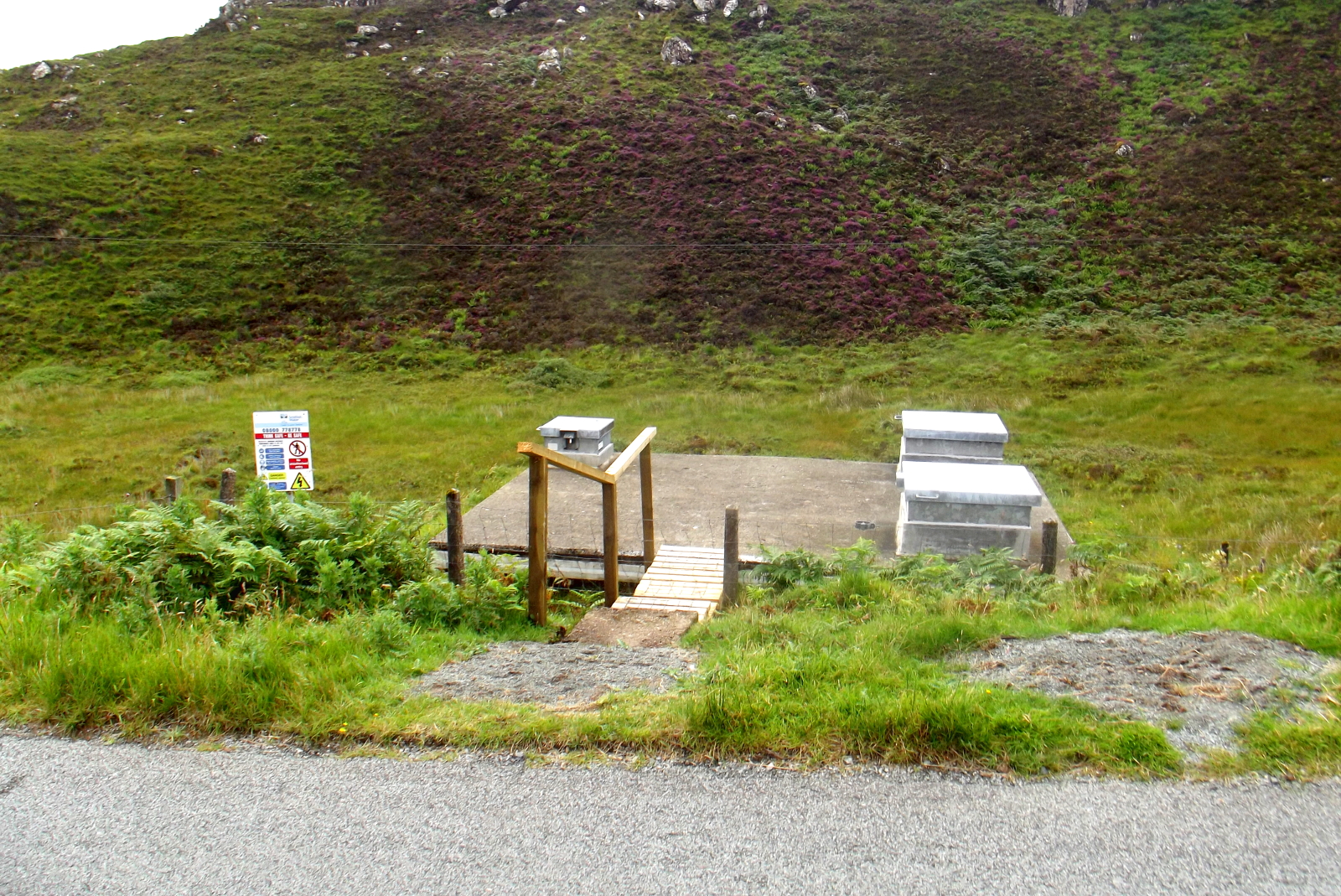
The incidents exposed a persistent weak point in local infrastructure: internet-connected industrial equipment that many small water utilities struggle to secure. Officials say no contamination has been reported, but the response shows why water systems are now a front-line cyber target.
Hackers targeted water systems in several U.S. states in a coordinated cyberattack, and some utilities issued boil-water notices and switched to manual mode as U.S. officials were scrambling to secure the water facilities. CISA, the FBI and the EPA have been helping affected U.S. water utilities after operations were disrupted, raising immediate concern about drinking water safety across the United States.
No incidents of contamination have been reported, according to officials cited by CNN. But the attack has alarmed federal and state agencies because it hit the kind of local infrastructure people rarely think about until a tap, hospital, school or fire department depends on it.
Utilities moved offline to stay safe
The cyberattack forced some water operators to fall back on manual procedures, according to U.S. officials cited by CNN. That means taking automated systems offline and relying on workers to monitor or operate equipment more directly.
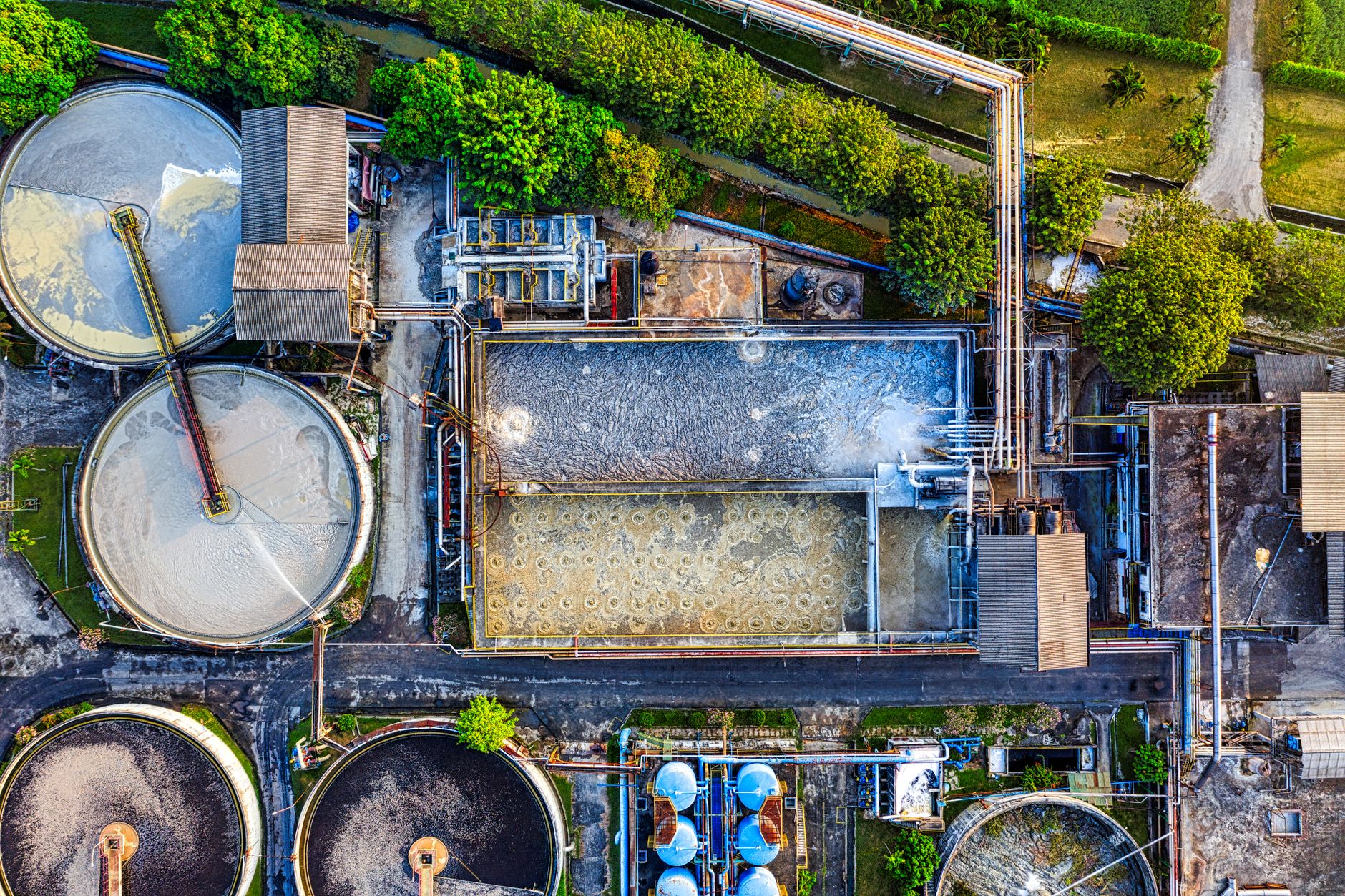
Boil-water notices are a precautionary step, not proof that water has been contaminated. They are typically issued when officials cannot fully rule out risk, especially if pressure, treatment or monitoring systems are affected.
That distinction matters. The public health threat in a water-system cyber incident is not only that a hacker might directly poison water. It is also that a disruption could interfere with pressure, chemical dosing, alarms or visibility into whether the system is operating normally.
CISA warned Thursday that hackers are targeting “water entities of all sizes” and urged water and wastewater facilities to protect operational technology, including by getting vulnerable equipment offline.
Why simple intrusions can be serious
The apparent target in the campaign is not glamorous consumer data or a corporate email system. Officials and experts described attacks on programmable logic controllers, or PLCs, the industrial devices that help water facilities run pumps, monitor pressure, manage chemical dosing and communicate with other machinery.
PLCs are common in water plants and other industrial settings. When properly isolated and configured, they can help small staffs run complex systems more efficiently. When exposed to the internet with weak settings, they can become an easy doorway.
According to the CNN report, officials believe the hacks were not technically complex. The attackers were looking for PLCs that were online and vulnerable, the cybersecurity equivalent of trying unlocked doors across many facilities.
That is what makes the episode unnerving. A relatively basic attack can still create real-world consequences if it touches systems that control pressure, treatment or alarms.
Minnesota was the first warning
The first public sign came from Minnesota, where authorities said hackers targeted about 30 water systems on Sunday night and Monday morning, according to a memo from the Minnesota Bureau of Criminal Apprehension obtained by CNN.
The memo said the likely intended effect was to cause a loss of system pressure and possible contamination of the water supply. That does not mean contamination occurred. It does show why officials treated the activity as more than nuisance hacking.
John Israel, Minnesota’s chief information security officer, told CNN that attackers would likely keep looking across national infrastructure for weak configurations. His warning was followed by reports of related activity beyond Minnesota.
Roughly six states have reported related cyber incidents over the last week, CNN reported, citing multiple sources familiar with the investigation. In Wisconsin, state natural resources officials detected malicious activity Monday and urged utilities to take immediate action to prevent serious impacts.
Federal agencies are trying to contain it
CISA, the FBI and the Environmental Protection Agency have been working with state and local partners to help secure affected water facilities. The agencies’ immediate priority is practical: reduce exposure, preserve safe operations and make sure drinking water has not been compromised.
Water utilities are a difficult sector to defend evenly. Large systems may have dedicated security teams, but many smaller communities operate with tight budgets, small staffs and aging equipment. Cybersecurity competes with pipe repairs, treatment costs, staffing and regulatory demands.
Industry threat-sharing groups are also pushing utilities to harden their systems. WaterISAC, a water-sector hub for cyber threat information, has urged facilities to shore up protections after the recent incidents.
For residents, the official response may feel invisible unless a boil-water notice appears. Behind the scenes, the work can include taking equipment off the internet, changing credentials, checking logs, restoring manual controls and verifying that pumps and treatment systems are behaving as expected.
Attribution remains unsettled
U.S. and state officials are treating Iran as one possible suspect, according to CNN, but they have not made a formal determination of responsibility. Officials are also cautious about false flags, where attackers try to make activity appear connected to someone else.
President Donald Trump, speaking at a cabinet meeting Friday, cast doubt on whether Iran was involved and blamed Minnesota authorities for the hack, according to CNN. The New York Times first reported the possible Iran connection.
Iran-linked hackers have previously been connected to disruptive activity against U.S. water and energy sites, including incidents CNN reported in April. That history explains why investigators would consider the possibility, but it does not prove who is behind the current campaign.
Attribution in infrastructure cyberattacks can take time. Investigators have to separate technical evidence, reused tools, infrastructure, motive and possible deception. In the meantime, utilities still have to secure systems regardless of who is ultimately blamed.
The bigger risk is exposure
The lasting lesson may be less about one suspected adversary and more about the way local infrastructure is connected. Remote access has helped utilities monitor equipment and respond quickly with fewer people. It has also created openings for attackers if industrial systems are reachable from the internet.
Joshua Corman, an industrial cybersecurity expert and co-founder of the volunteer group I Am The Cavalry, told CNN that the rising number of water compromises is deeply concerning because so much depends on water, including hospitals. His point is blunt: water is not just a household service; it is a dependency for nearly every other service.
Experts differ on how far utilities should go in disconnecting equipment. Some argue that internet-facing industrial systems with weak controls should be taken offline immediately. Others note that remote access can be essential for small utilities that lack around-the-clock staff or specialized technicians.
The tradeoff is no longer theoretical. If a small water authority cannot securely maintain connected industrial equipment, officials may face a hard choice between convenience, cost and resilience.
What residents should watch
For now, officials have reported no contamination tied to the cyberattack. Residents in affected areas should rely on local utility alerts, emergency management notices and state environmental agencies rather than social media claims about water safety.
A boil-water notice should be followed until the issuing authority lifts it. A notice may be issued out of caution while a utility verifies pressure, treatment and testing results.
- If a notice is issued: follow the local instructions for drinking, cooking, brushing teeth and preparing infant formula.
- If service pressure changes: report unusual outages, discoloration or pressure drops to the local utility.
- If no notice exists: do not assume contamination has occurred; officials said none has been reported.
The investigation is still developing, and the full list of affected utilities has not been publicly detailed. What is already clear is that water systems have become a national cybersecurity concern, even when the facilities themselves are small, local and underfunded.
Leave a Reply