The fight is about more than a batch of documents. It goes to whether Trump’s lawyers received evidence they could use to challenge investigators and witnesses in federal cases.
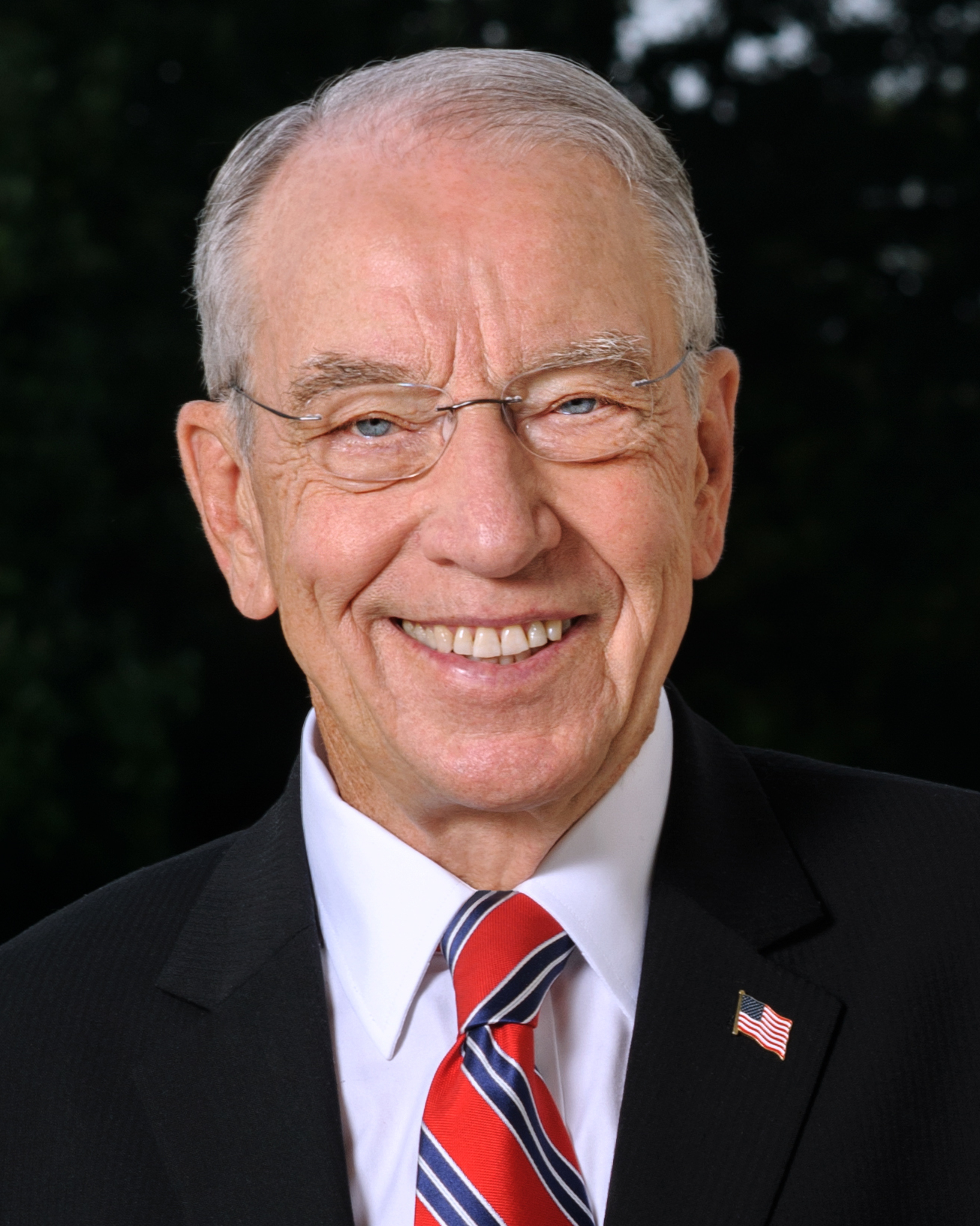
Chuck Grassley accused Jack Smith of withholding impeachment records from Donald Trump’s defense in Washington, escalating a dispute over impeachment evidence in Trump-related investigations. Grassley’s public allegation centers on materials he says were relevant to a Smith case tied to 2020 elector issues, and it matters because undisclosed evidence can affect Trump’s defense strategy.
The claim is politically potent, but it is also legally unfinished. The available record describes what Senate Republicans and Trump’s former lawyer say happened; it does not show that a court has found Smith hid evidence or that the underlying prosecutions were invalid.
Grassley’s allegation, in plain terms
Grassley, the Republican chairman of the Senate Judiciary Committee, is pointing to committee materials and testimony from Todd Blanche, who represented Trump in Smith’s federal criminal cases. According to the Republican account, Grassley asked Blanche whether the government had turned over certain emails and records tied to former FBI official Timothy Thibault and a group of agents.
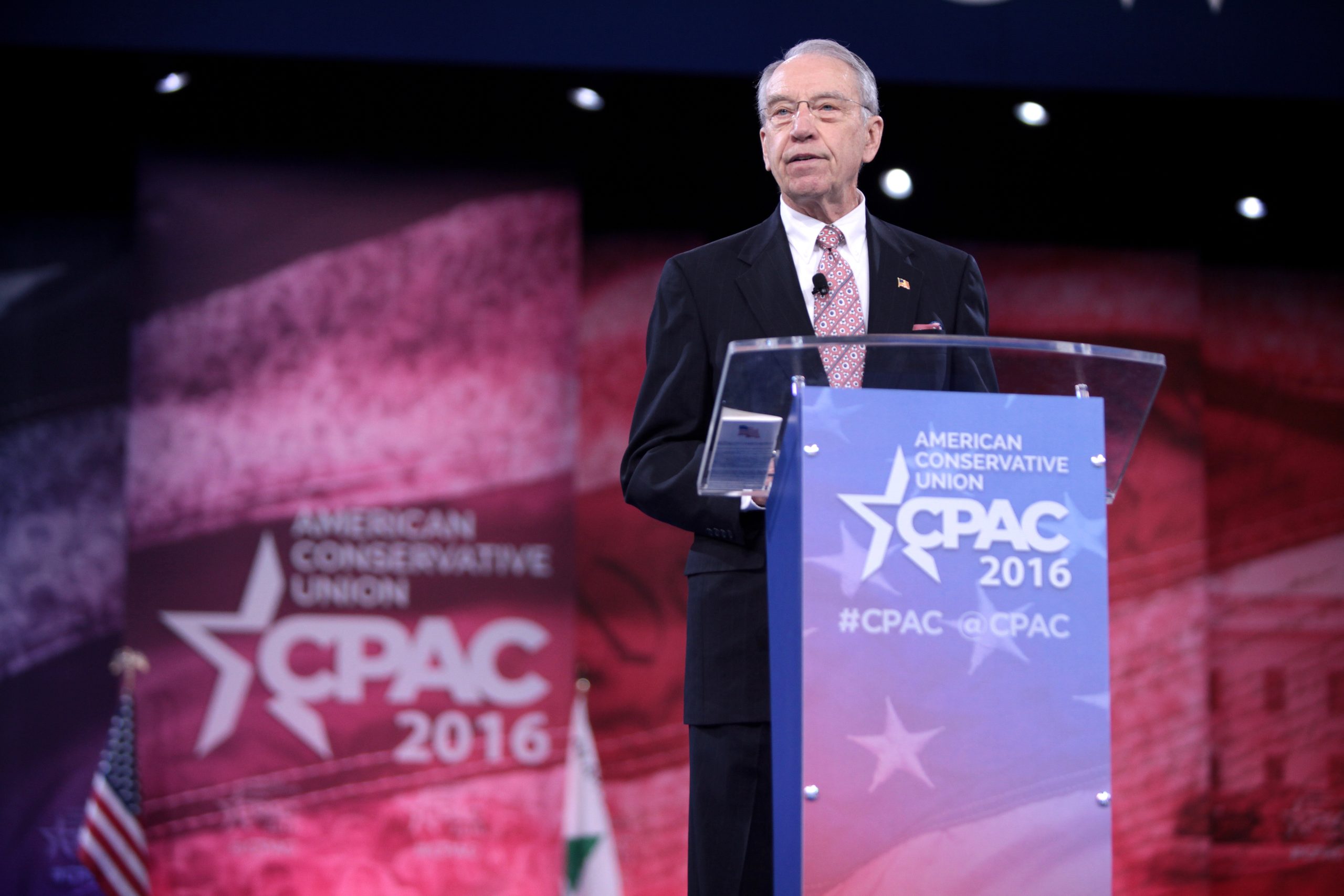
Blanche’s answer, as described in the committee release, was no. That answer is now the core of Grassley’s claim that Smith’s side withheld impeachment records from Trump’s defense.
The records at issue were described as connected to “Arctic Frost,” an FBI case that Grassley and Sen. Ron Johnson say fed into Smith’s election-related investigation. The Republican release argues the materials show anti-Trump bias and problems with FBI protocol.
That is the central tension: Grassley is not merely saying documents existed. He is saying they could have mattered to the defense because they might have helped Trump’s lawyers challenge the credibility or conduct of investigators.
Why “impeachment records” is tricky
The phrase “impeachment records” can sound like it refers only to Trump’s presidential impeachments. In courtroom language, impeachment evidence often means something broader: material that can be used to attack a witness’s credibility.
That difference matters. If a defense team can show an investigator was biased, violated procedures or made inconsistent statements, it may try to use that information during cross-examination or in motions challenging the government’s case.
Grassley’s argument leans on that legal concept. His release frames the records as evidence Trump’s lawyers should have had because they could have been used to test the reliability of people involved in the investigation.
Still, not every document that looks useful to a defendant is automatically discoverable. A judge would have to assess whether the material was legally required to be produced, whether it was important enough to affect the case and whether any failure to produce it harmed Trump’s defense.
Blanche’s role cuts both ways
Blanche gives the allegation a specific witness, not just a partisan slogan. He was in a position to know what Trump’s defense team did and did not receive during Smith’s cases.
But Blanche is not a neutral narrator. He was Trump’s defense lawyer, and his testimony reflects the defense view of the prosecutions. That does not make his account false, but it does mean readers should understand the posture: he was describing the case from the side that fought Smith in court.
Blanche also raised broader complaints about Smith’s handling of the federal cases. In the Florida classified-documents case, he said prosecutors initially sought limits that would have kept Trump from personally viewing some documents he was accused of retaining.
In the Washington election-interference case, Blanche criticized Smith’s proposed trial schedule, arguing that the amount of discovery and Trump’s other legal obligations made the timetable unfair. He also faulted Smith’s actions after the Supreme Court’s July 1 immunity decision, including the pursuit of a revised indictment and a lengthy later filing.
What the public record proves
The public record proves that Senate Republicans have turned a discovery dispute into a formal political fight. It also shows that Trump’s former lawyer told senators certain records were not produced to the defense.
It does not, at least from the material described, prove that Jack Smith personally hid evidence. It does not establish that a judge found intentional misconduct. It does not prove the records would have changed the result of any case.
That distinction is important because discovery fights often involve complicated rules. Prosecutors must produce certain evidence favorable to the defense, including material that can undermine government witnesses. But disputes over what qualifies can be narrow, fact-specific and heavily litigated.
For Trump allies, the allegation fits a broader argument that federal law enforcement was weaponized against a political opponent. For Trump critics, the focus on discovery does not erase the conduct Smith investigated, including Trump’s efforts after the 2020 election and the handling of classified documents after he left office.
How it fits Trump investigations
Smith brought two federal criminal cases against Trump. One centered on efforts to overturn the 2020 election. The other involved classified documents found after Trump left office. Trump denied wrongdoing and repeatedly described the prosecutions as politically motivated.
Grassley’s latest allegation appears most closely tied to the election-related case and the investigative work that preceded it. The committee’s Republican release links the disputed material to the elector investigation and claims it shows bias inside the FBI process.
The same documents are now being pulled into two competing narratives. One narrative says Trump’s conduct demanded investigation and accountability. The other says the investigators’ conduct raises questions about whether the case was built fairly.
Both questions can matter at the same time. A defendant’s conduct and the government’s conduct are separate issues, and the justice system depends on rules being followed even in politically explosive cases.
What remains unresolved
The next issue is whether Grassley’s allegation produces more than political ammunition. A Senate release can amplify a claim, but courts decide discovery violations, materiality and remedies.
Key facts remain unclear from the public material: exactly which records were not produced, when Smith’s team had access to them, whether prosecutors believed they were covered by discovery obligations and whether a judge ever reviewed the dispute.
There is also the question of consequence. If records were withheld but were not legally required or not material, the allegation may have limited legal impact. If they were required and significant, the dispute could strengthen Trump’s long-running argument that the prosecutions were unfairly handled.
For now, the cleanest takeaway is narrow but important: Grassley has elevated a specific claim about impeachment-related evidence in Trump investigations, Blanche has supplied testimony Trump allies can cite, and the legal weight of the allegation still depends on facts not yet settled in public.
Leave a Reply