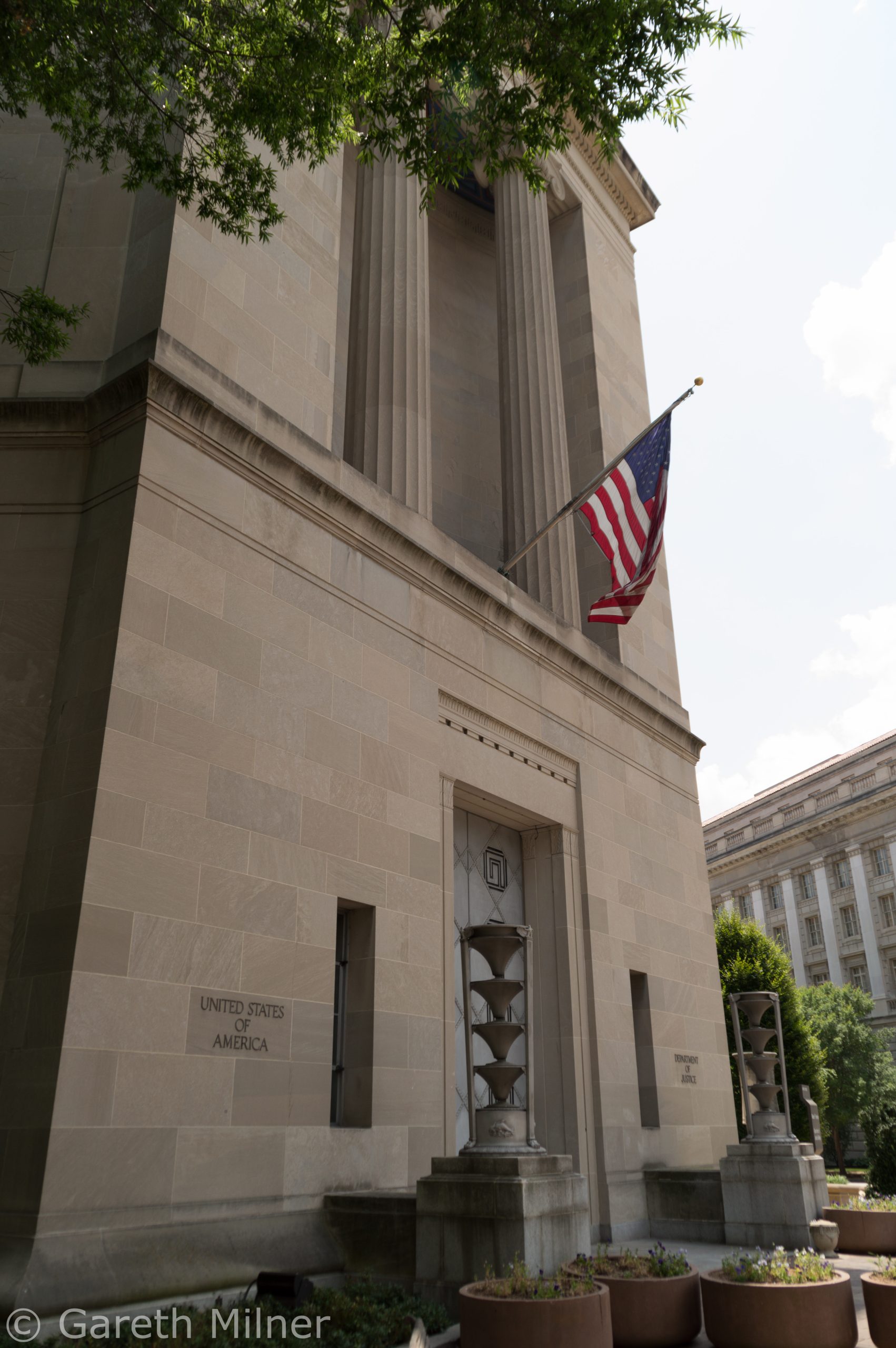
The dispute is less about whether files were posted and more about whether the public can understand what is still withheld, why it was redacted and who is accountable for the process.
Todd Blanche said Friday, January 30, 2026, in Washington, that the Justice Department released more than 3.5 million pages of Jeffrey Epstein-related records, including a new tranche of more than 3 million pages, more than 2,000 videos and 180,000 images. The department said the Trump administration collected more than 6 million pages under the Epstein Files Transparency Act, but critics said the document dump missed a bigger problem: whether mass disclosure without clearer indexing, redaction explanations and accountability can satisfy Congress or the public.
That tension is now the story. The Justice Department is presenting the release as the close of an enormous review. Skeptics see a familiar Washington maneuver: answer demands for transparency with a mountain of material so large that only lawyers, reporters and political operatives can realistically navigate it.
A massive release, carefully framed
At a Justice Department news conference, Deputy Attorney General Todd Blanche said the latest release was part of the department’s effort to comply with the Epstein Files Transparency Act, according to CBS News. The law required disclosure of unclassified material tied to the federal investigation into Epstein and his longtime associate, Ghislaine Maxwell.

Blanche described the process as comprehensive and said the department had produced roughly 3.5 million pages in total. He also said the latest release included images and videos, with extensive redactions intended to protect survivors of Epstein’s crimes.
The department’s argument is straightforward: the volume is enormous, the material is sensitive, and the law required a careful review before anything went public. Blanche said the department was submitting a final report to Congress and written explanations for redactions, which are expected to be published in the Federal Register.
Once those steps are completed, Blanche said, the department’s obligations under the act will be finished.
Why critics are not satisfied
The criticism is not simply that too little was released. It is that a release this large can be technically public while still being practically opaque.
Millions of pages do not automatically create understanding. Without searchable organization, clear cross-references, consistent redaction explanations and a simple way to see what remains withheld, the public can be left with a spectacle of transparency rather than the substance of it.
Lawmakers had already criticized the Justice Department over the pace and scope of disclosure, CBS News reported. Rep. Ro Khanna, a California Democrat who co-sponsored the Epstein Files Transparency Act, accused the department of openly defying the law by not disclosing all files by the deadline.
That is the larger problem critics are pointing to: a fight over who gets to decide when transparency has been achieved. The department says it complied with the statute. Critics say compliance should be measurable in access and accountability, not just page counts.
Redactions sit at the center
The Justice Department says redactions were necessary to protect survivors’ identities and personal information. Blanche said women depicted in images or videos were redacted, except for Maxwell, and that men were not redacted unless a woman could not be protected without also redacting the man.
That explanation matters because Epstein-related records include intensely sensitive material involving sexual exploitation and abuse. Public disclosure can expose institutional failures, but careless disclosure can also harm victims again.
The hard question is whether the public can verify that redactions are limited to legitimate privacy, safety and investigative concerns. The Justice Department says it will provide written justifications. Critics will be watching whether those justifications are specific enough to evaluate or broad enough to shield the department from scrutiny.
The department also said it collected more than 6 million pages in response to the law and is withholding some material for reasons including survivor privacy and potential harm to active federal investigations. That gap between collected and released records is likely to remain a focal point.
Congress forced the timetable
The Epstein Files Transparency Act was passed by Congress and signed by President Trump last year, according to CBS News. It required the Justice Department to disclose unclassified Epstein-related investigative material by Dec. 19.
But the deadline collided with the sheer scale of the review. Attorney General Pam Bondi and Blanche previously told a federal court in New York that the department was still reviewing more than 2 million documents that had to be made public. They said more than 500 people were working on review and redactions.
That context helps explain the department’s defense. It also explains why critics are frustrated. Congress did not pass a transparency law so the executive branch could define transparency on its own schedule.
The dispute now lands in a gray zone between law and politics: whether delayed, heavily redacted and staggered disclosures still fulfill the purpose Congress set out.
Politics shadows the files
Epstein’s connections to wealthy and powerful people have long made the records politically combustible. Blanche said the White House was not involved in the department’s review and said the process over the past 60 days had no White House oversight, CBS News reported.
He also rejected the idea that the department had protected Trump or anyone else. CBS News noted that Trump has not been accused of wrongdoing in the Epstein matter.
At the same time, the administration has faced pressure from across the political spectrum. Some earlier records mentioned Trump, while other released materials included images involving former President Bill Clinton. Clinton spokesperson Angel Ureña accused the Trump administration of using the release to shield itself and said Clinton knew nothing and cut Epstein off before his crimes came to light, according to CBS News.
Blanche also said Jay Clayton, the U.S. attorney for the Southern District of New York, is leading an investigation into Epstein’s ties to prominent Democrats, including Clinton, and major financial institutions. That continuing probe adds another reason the department says some material cannot be released.
The real test is usability
The Justice Department can point to an immense disclosure. Critics can point to the same release and argue that scale is not the same as clarity. Both positions can be true at once.
For the public, the useful questions are practical:
- Can the records be searched and sorted in a way that ordinary readers can use?
- Are redactions explained with enough detail to be challenged or understood?
- Is there a clear inventory of what was collected, what was released and what remains withheld?
- Will Congress receive enough information to determine whether the law was followed?
If the answer to those questions is no, then the document dump may fuel the distrust it was supposed to answer. If the answer is yes, the release could become a meaningful test case for how the government handles public access to sensitive investigative records.
For now, Blanche and the Justice Department are claiming completion. Critics are arguing that the harder work begins after the files go online: proving that transparency is more than a number.
Leave a Reply