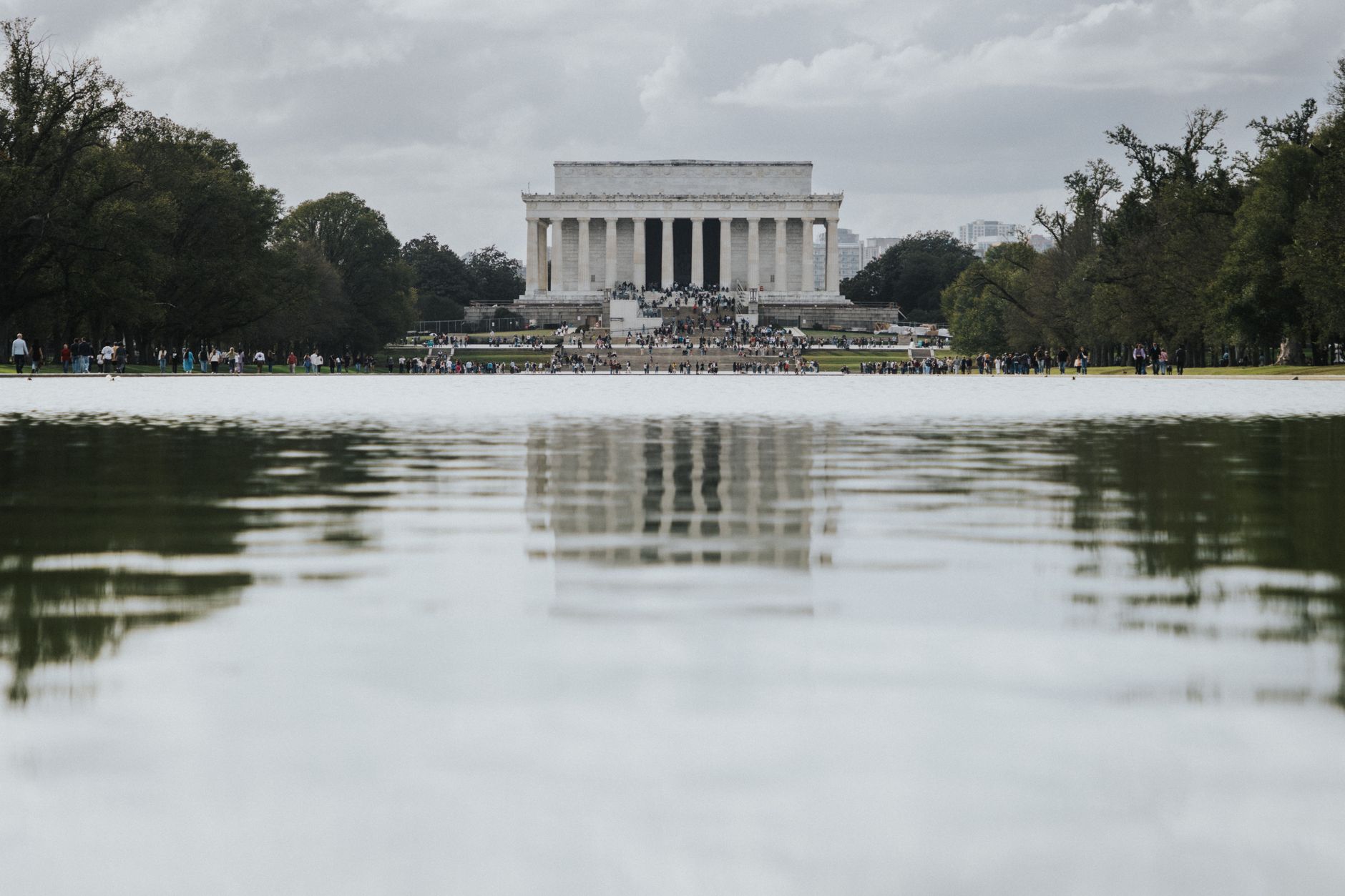
The reversal turns a high-profile vandalism allegation into a fight over rushed public work, government evidence and who gets blamed when a landmark project goes wrong.
The Justice Department is dropping the case against former Olympian David Hearn, saying the Reflecting Pool renovation at the Lincoln Memorial was hasty and botched. Prosecutors now say the damage was caused by flawed installation rather than vandalism, reversing the theory behind an indictment that had accused Hearn of damaging the landmark.
The shift matters because the case was not a minor local dispute. It tied together a national monument, a public renovation project, a former U.S. Olympic canoeist and competing claims from federal officials about what went wrong.
A vandalism case reverses course
Jeanine Pirro, the U.S. attorney for Washington, D.C., moved Friday to dismiss the indictment against Hearn, according to court filing details reported by CNBC and CNN. Hearn had been charged in early July with felony destruction of property over alleged damage to the Reflecting Pool’s liner or sealant.
At the time the case was brought, prosecutors said they had evidence suggesting vandalism. Pirro had publicly accused Hearn of violently ripping up part of the pool’s liner with his bare hands, according to CNBC’s account of the earlier press conference.
That position has now changed sharply. In the dismissal filing, Pirro wrote that information received after the charges were filed “significantly undermine” the evidentiary basis for the indictment. The government’s updated explanation is that the damage was linked to the renovation itself.
For Hearn, the move is a major legal turn. For the government, it raises a harder question: how a felony case tied to one of Washington’s most recognizable public spaces advanced before prosecutors had the records they now say changed the picture.
Why prosecutors changed their view
The new filing points to documents and information from the Interior Department that prosecutors said arrived after the grand jury returned the indictment. Those materials, according to Pirro’s filing as described by CNBC, indicated that damage occurring in June was the result of flawed installation by the contractor, Atlantic Industrial Coatings.
Prosecutors said they originally presented the grand jury with evidence that the Reflecting Pool was damaged by vandals after receiving initial reports from the Interior Department and the U.S. Park Police. The later records moved the case in a different direction.
The filing also describes the renovation as plagued by practical problems. Pirro cited rainy and windy weather, repeated failures in testing the sealing of expansion joints and delays in getting sealing product to the worksite.
Her blunt summary was that the rush to finish the project led to “hasty and botched” work that was not fixed before the project ended and fencing was removed.
The renovation timeline matters
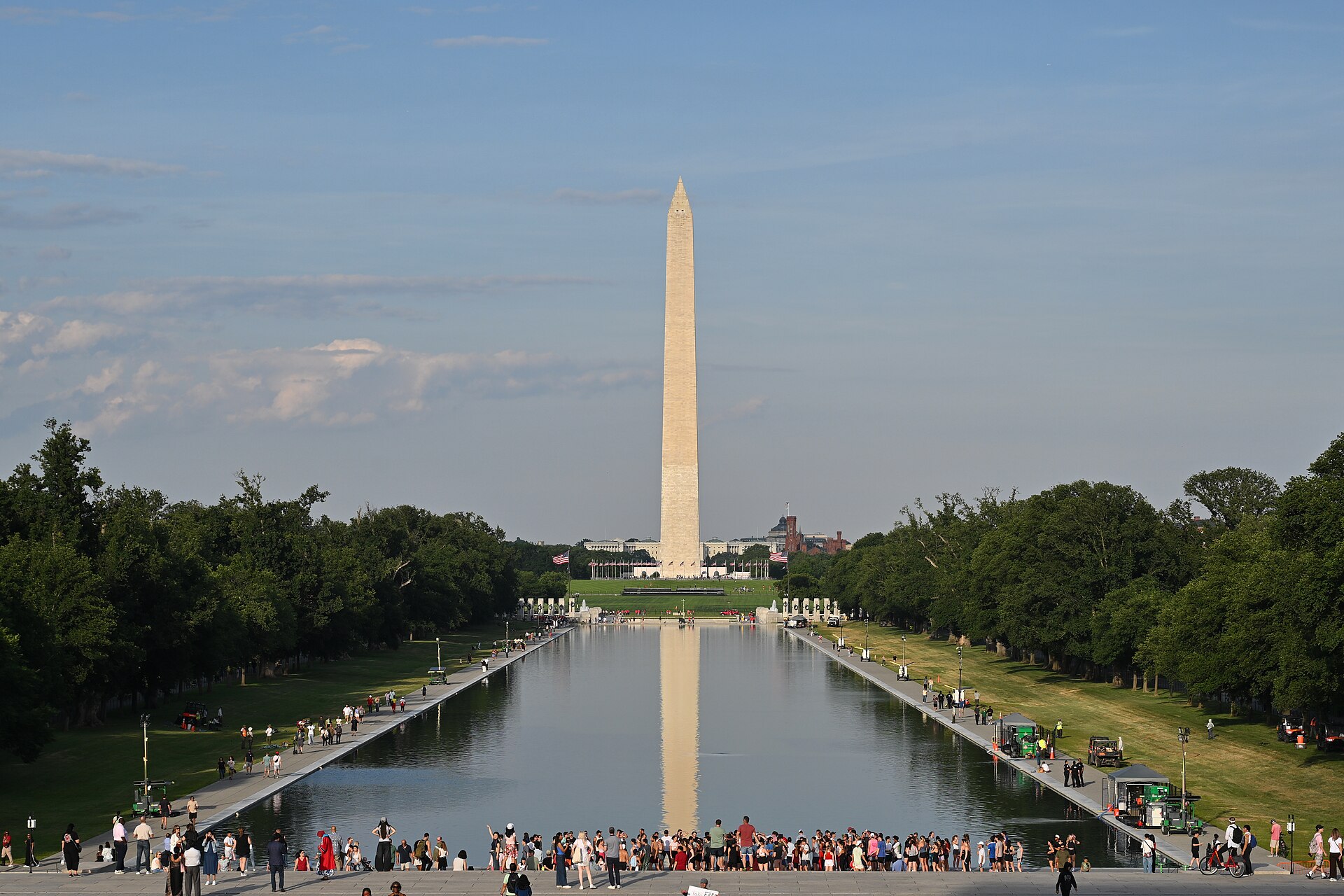
The Reflecting Pool sits between the Lincoln Memorial and the World War II Memorial, making it one of the most visible public spaces in the capital. Problems there are not hidden from tourists, cameras or political leaders for long.
According to the filing described by CNBC, prosecutors connected the hurried work to the push to complete the project before events tied to the America 250 celebration around Independence Day 2026. That timing is central to the government’s new explanation: the pressure to finish may have helped create or leave unresolved the damage later blamed on vandalism.
The renovation had drawn public attention before the criminal case. President Donald Trump had spoken repeatedly about the project and claimed, without providing evidence, that vandals had cut a long gash in the bottom of the pool, CNBC reported.
The Trump administration had awarded Atlantic Industrial Coatings a no-bid contract for the work, according to CNBC. Trump said in April that he chose a contractor that had worked on one of his swimming pools. Requests for comment from the contractor were not immediately answered in CNBC’s report.
Hearn’s defense claims vindication
Hearn’s lawyers had argued that the former Olympian was being turned into a scapegoat for a troubled and expensive renovation. After prosecutors moved to dismiss the case, attorneys Norm Eisen, Mary Dohrmann and Steve Levin said the case “should have never been brought,” according to CNBC.
They called the government’s approach “ready, fire, aim” and said the administration owed Hearn an apology. Their statement framed the dismissal not simply as a corrected mistake, but as an abuse of government power against a person they say did nothing wrong.
A defense filing four days before the dismissal motion also alleged that the government’s key grand jury witness testified the property was already damaged before Hearn allegedly touched it. The defense had sought disclosure of information presented to the grand jury.
That disclosure may now be less likely if the case is dismissed before a fuller evidentiary fight. For the public, that leaves an uncomfortable gap: the government has changed its explanation, but the full path from initial reports to indictment may never be tested in open court.
Agencies trade blame
Pirro’s filing appears to place significant responsibility on the Interior Department for the information prosecutors had at the beginning of the case. She wrote that the department provided “less than fulsome information” at the outset and that prosecutors had to reach out “dozens and dozens of times” before additional information slowly arrived, according to CNBC.
She also wrote that if the Interior Department had been forthcoming with information in its possession, the government would not have sought the indictment. That is an unusually direct acknowledgment in a criminal case: prosecutors are saying the charge should not have been brought with the benefit of the records they later received.
The Interior Department did not immediately respond to CNBC’s request for comment. The White House also did not immediately respond to a request for comment in that report. The U.S. Attorney’s Office for D.C. told CNBC, “The motion speaks for itself.”
Those nonresponses leave competing explanations unresolved. Was the problem bad information, slow interagency communication, political pressure around a marquee project, or all of the above? The dismissal filing answers the narrow criminal question, but it does not fully settle the accountability question.
What the dismissal leaves behind
If the court grants the motion, Hearn’s criminal exposure in this case would end. That is the immediate practical consequence of the Justice Department’s reversal.
The broader fallout is less tidy. The case now points back to the renovation: how the work was scoped, why it was rushed, what testing failed and why the site was reopened before the alleged problems were remediated.
It also underscores the stakes of public accusations by law enforcement. A felony indictment can reshape a person’s reputation long before a trial, especially when the allegation involves a national landmark and is amplified by senior officials.
The clean takeaway is that prosecutors no longer stand by the vandalism theory against David Hearn. The unresolved issue is how a flawed installation at the Reflecting Pool became a criminal case in the first place.
Leave a Reply