The dismissed case clears Hearn of the immediate criminal threat, but it does not answer how officials got the damage wrong — or whether anyone will be held responsible.
The Justice Department dropped the criminal case against a former Olympian, David Hearn, who was accused of damaging the Lincoln Memorial Reflecting Pool in Washington, DC, in what officials had framed as Reflecting Pool vandalism. Prosecutors now believe the damage may have been caused by a flawed or botched installation by a contractor, according to a court filing that cited new information from the U.S. Department of the Interior. This article explains how the case could still lead to accountability or justice.
That is a major reversal. Hearn, a former U.S. Olympic canoeist, had faced the possibility of a 10-year prison sentence if convicted, according to the BBC. Now the government’s own filing says the case appears to have been built on an explanation that prosecutors say they did not fully receive at the start.
The charge that fell apart
The dropped case turns on a simple but consequential question: was the Reflecting Pool damaged by vandals, or was the new surface already failing?
According to the court filing described by the BBC, prosecutors said new information “strongly suggests” the damage was tied to a “rushed and botched installation” overseen by the U.S. Department of the Interior. The filing said the damage to the Lincoln Memorial Reflecting Pool in June 2026 was “the result of flawed installation by the contractor,” not vandalism as initially represented.
That matters because Hearn was not merely criticized. He was arrested and charged. His lawyers say the case “should have never been brought” and accused the administration of a “ready, fire, aim” approach, according to the BBC.
Hearn previously told the BBC that he did not “destroy, rip, tear, peel, or remove” any paint from the pool. The government’s dismissal does not erase the public accusation, but it does remove the immediate criminal jeopardy that had been hanging over him.
Why prosecutors reversed course
The most striking part of the filing is not just that prosecutors changed direction. It is that they blamed the information they had received from another federal agency.
U.S. Attorney for Washington, DC, Jeanine Pirro filed the court document dropping the vandalism charge. In it, prosecutors said the Department of the Interior had provided “less than fulsome information” at the outset of the case. The filing said that if Interior had been forthcoming with information “clearly in its possession,” the government would not have sought a grand jury indictment.
That is the legal pivot. Prosecutors are not simply saying they lost confidence in a witness or found a technical flaw. They are saying the premise of the prosecution changed once documents showed the Reflecting Pool’s paint problems may have been caused by a rushed repair job.
The BBC reported that the work was part of an effort to ready the area ahead of events tied to America’s 250th independence anniversary around July 4, 2026. The pool had been drained again by July, and pieces of blue sealant were seen peeling from the bottom.
The repair job now matters
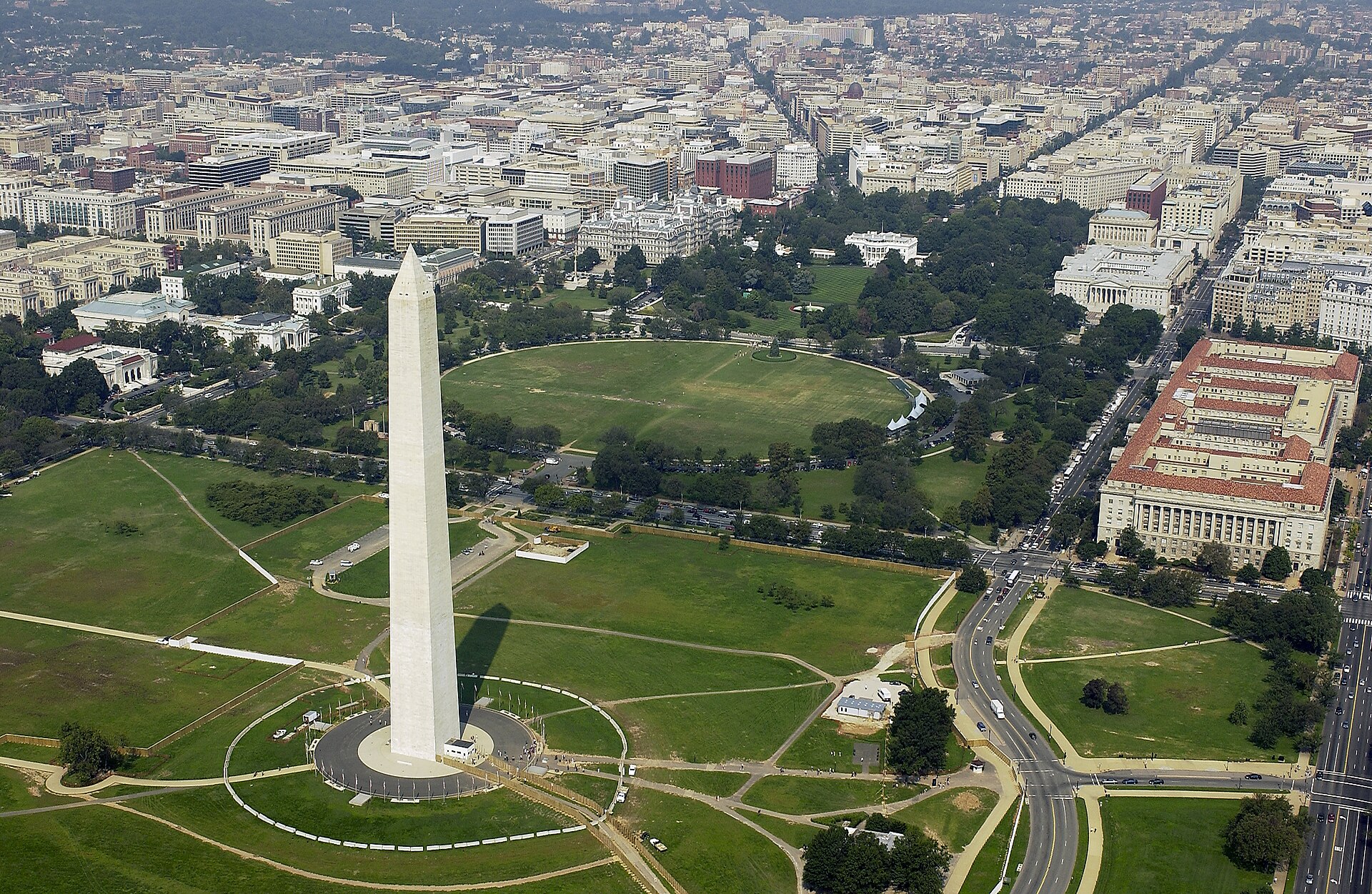
The Reflecting Pool is not just another public water feature. It is part of the symbolic landscape stretching between the Lincoln Memorial and the Washington Monument, which is why damage there quickly becomes national news.
The pool had long faced structural problems and leaks. The resealing and painting project this spring was meant to address those issues, but according to the BBC, the work carried an estimated cost of $16 million after an original budget of less than $2 million.
The BBC, citing CBS News, reported that the contract was awarded to a contractor chosen by President Donald Trump and was not opened to the usual competitive bidding process. The contractor has not publicly answered every question around the work; the BBC said it had contacted the contractor for comment.
Those contracting details now sit at the center of the accountability question. If the paint was failing because the work was rushed, improperly installed or inadequately supervised, the next dispute is not about Hearn touching the surface after a bike ride. It is about who approved the work, who inspected it, who described the damage as vandalism, and why prosecutors did not have the full picture sooner.
Trump’s claim still conflicts
The dismissal did not produce a clean public consensus. President Trump wrote on Truth Social that he disagreed “100%” with Pirro’s decision to drop the charges, according to the BBC. He also acknowledged there “may have been some contractor difficulty” while repeating his view that the major damage was caused by vandals.
That leaves two competing narratives in public view. Prosecutors’ court filing points to flawed installation and incomplete information from Interior. Trump’s public statement keeps the vandalism claim alive, at least politically.
For Hearn, that distinction is not academic. The government can drop a case in court while public officials continue to suggest that vandalism occurred. His lawyers’ demand for an apology reflects that gap between legal dismissal and reputational repair.
It also raises a broader question about public accusations from powerful officials before a case is tested. A charge can be dismissed quickly; a viral label can last much longer.
How justice could still happen
The clearest form of justice for Hearn has already happened in one sense: the criminal case was dropped. But if the case was built on incomplete or wrong information, accountability may require more than dismissal.
Several paths could matter from here, though none is guaranteed:
- A public correction or apology: Hearn’s lawyers have already said the government owes him one. That would be the fastest reputational remedy, but officials have not uniformly accepted the same explanation.
- Contract and agency review: Interior’s role, the contractor’s work and the rushed timeline could be examined through internal review, inspector general scrutiny, congressional oversight or public records requests.
- Civil legal action: Hearn could explore claims tied to arrest, prosecution or reputational harm, though lawsuits against the government and officials can face high hurdles, including immunity doctrines and strict procedural rules.
- Relief for others accused: The BBC reported that at least three other people were charged and five more received citations. It remains unclear whether all of those cases or citations have been dropped.
Hearn declined to tell the BBC whether he plans legal action over the government missteps. That silence is understandable. A civil case would require a different calculation than defending against a criminal charge: cost, time, proof of damages and the challenge of suing public officials or agencies.
Still, the court filing gives any accountability effort a foundation. It puts in writing that prosecutors now believe the damage was not what they were initially told it was.
What remains unanswered
The dismissal answers the narrow criminal question for Hearn, but it leaves several public-interest questions unresolved.
Who first concluded that the Reflecting Pool damage was vandalism? What evidence supported that claim? When did Interior officials have information pointing to flawed installation? Why did prosecutors say they did not receive it before seeking an indictment?
There is also the matter of money. If a multimillion-dollar repair failed within days, taxpayers have a stake in whether the contractor met the terms of the job and whether the government accepted work that should not have passed inspection.
For now, the case has shifted from criminal prosecution to government accountability. Hearn is no longer facing the charge that made him a national example. The harder test is whether the system that made that accusation will explain itself with the same force it used to accuse him.
Leave a Reply