The reversal shifts attention from the people accused of vandalism to the repair job behind the pool’s peeling blue lining. It also raises questions about how quickly the cases were brought.
Prosecutors are dropping additional vandalism cases involving the Lincoln Memorial Reflecting Pool in Washington, D.C., filing motions to dismiss three more misdemeanor cases against defendants accused of vandalism. The move follows an earlier decision to drop the most serious case, a felony prosecution against former Olympian David Hearn, after investigators concluded the damage was caused by contractor work rather than vandalism.
This article explains why prosecutors concluded the damage was not caused by vandals — and what the reversal may mean for Justin Carreno, Sophie Dennison-Gibby and Cameron Thiers, the three defendants now facing dismissal motions.
Four cases are unraveling
The latest motions, filed in District of Columbia Superior Court, mark a sharp turn in a case that began with accusations that people had damaged one of the country’s most familiar civic spaces.
Hearn, a former Olympic canoeist, had faced the most serious allegation: a felony charge tied to damage at the pool. Prosecutors moved first to dismiss his case on Friday, according to court filings described by The New York Times.
Now prosecutors are also seeking to drop misdemeanor charges against Carreno, Dennison-Gibby and Thiers. Those three had been charged with destruction of property under $1,000.
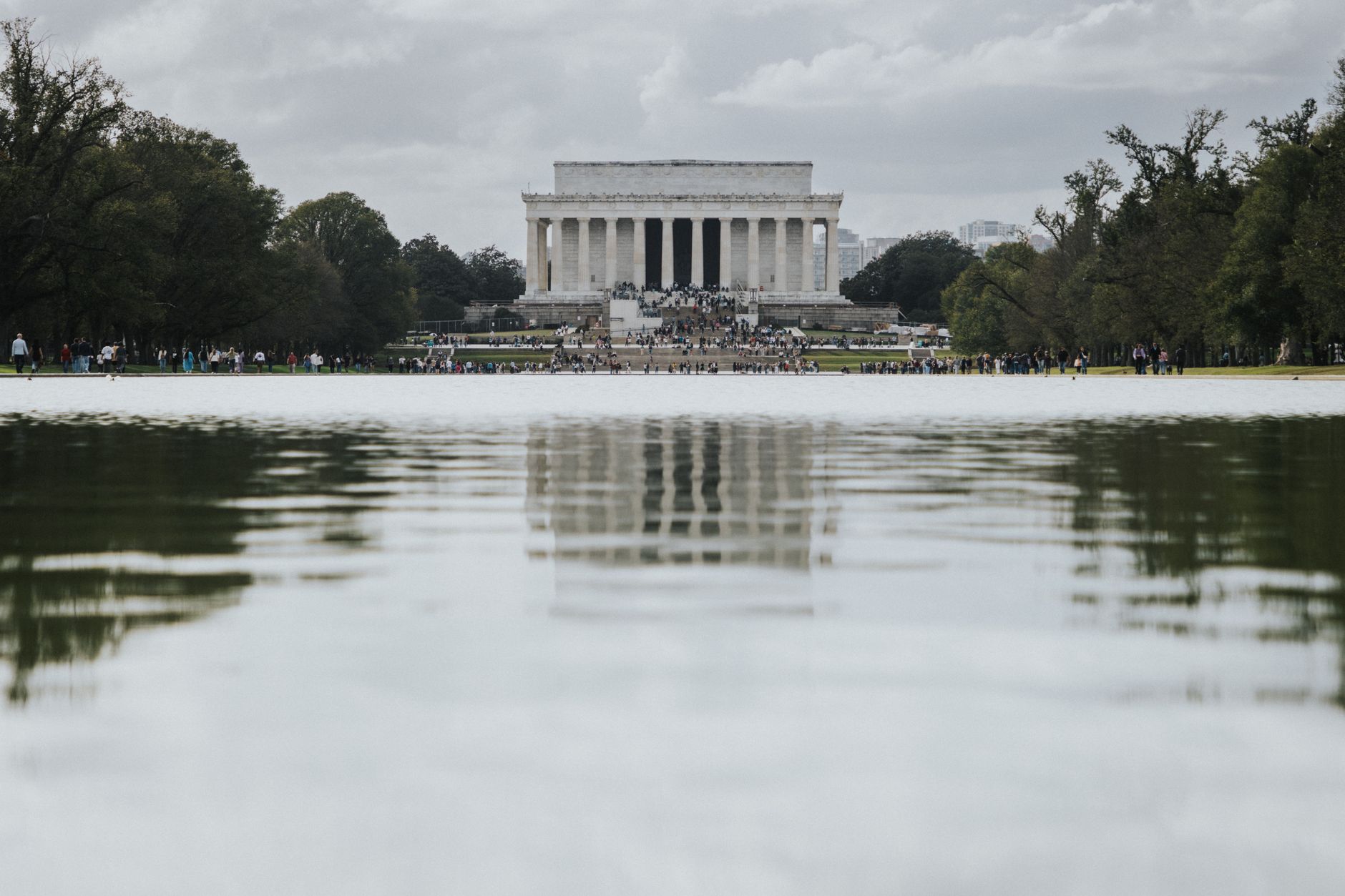
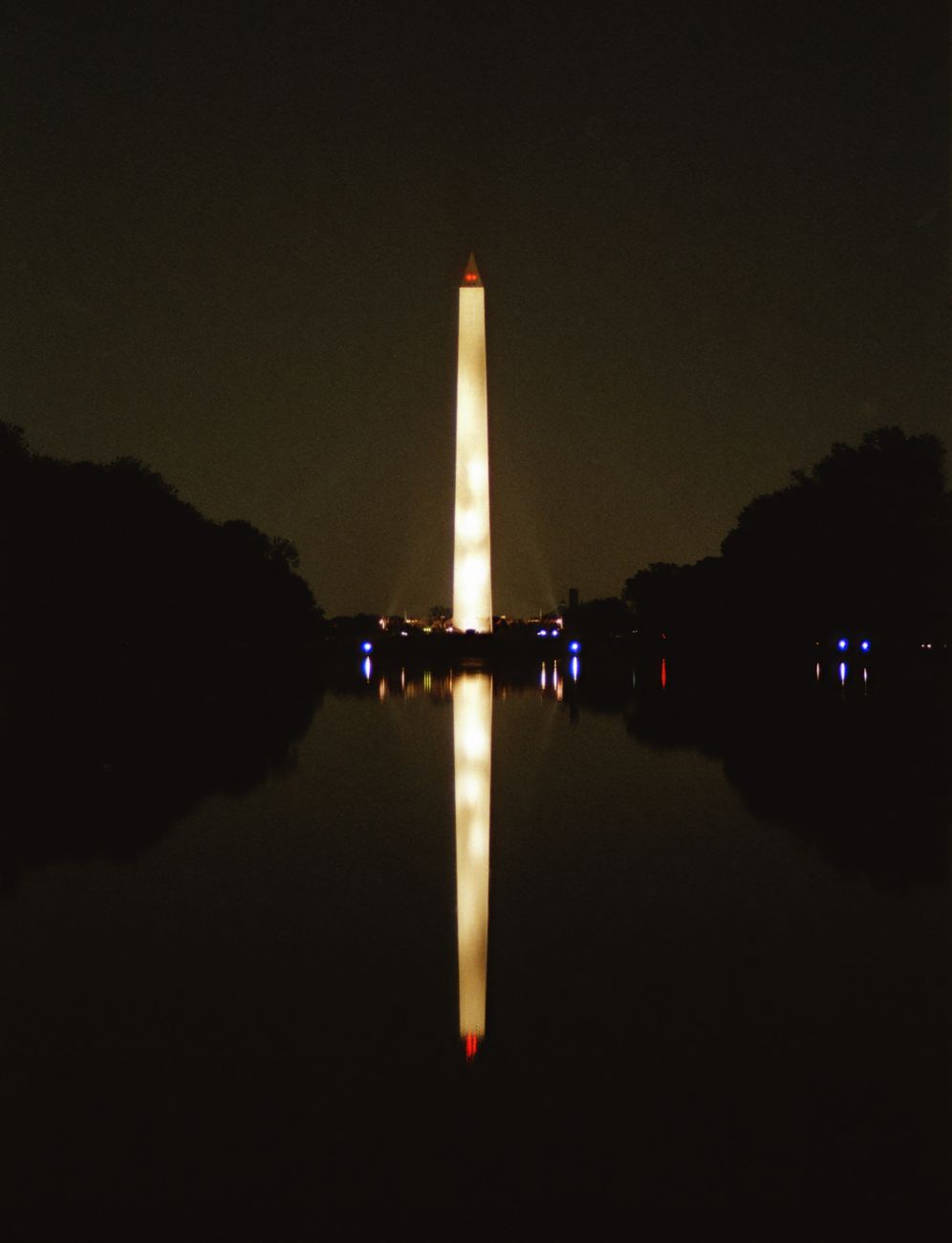
The dismissals matter beyond the individual defendants. The Reflecting Pool sits between the Lincoln Memorial and the Washington Monument, and damage there quickly became a public flashpoint because of the site’s symbolism and visibility.
The repair job changed the case
The central finding behind the reversal is blunt: prosecutors now say the damage was linked primarily to a flawed installation, not vandalism.
U.S. Attorney Jeanine Pirro’s filing in Hearn’s case said prosecutors had determined that “the damage was the result of a botched installation and not vandalism,” according to the Times report.
The issue involved the pool’s new blue lining, which had begun peeling up after repair work. Investigators concluded that contractor work was the primary cause of the “widespread damage” that had been publicly attributed to vandalism.
That is a major evidentiary shift. In a vandalism prosecution, the government must prove not only that damage occurred, but that the accused person caused it with the required intent. If the underlying damage came from failed construction work, the criminal theory weakens fast.
A contractor comes into focus
The repair work was performed after the Interior Department, which oversees the site, awarded a no-bid contract to Atlantic Industrial Coatings, a small Virginia firm, according to the Times.
Pirro blamed the company for a “flawed installation” and also pointed to the administration’s rush to complete the work ahead of the America 250 celebration on July 4.
The Reflecting Pool has had longstanding maintenance problems, including water leaking between its concrete slabs. The recent project was meant to address problems at a landmark that draws heavy public attention, especially during major national events.
Instead, the repair itself is now at the center of the legal fallout. The key question has shifted from who vandalized the pool to whether the government moved too quickly in charging people before the technical cause of the damage was clear.
Defendants faced heavy pressure
Defense lawyers described relief, but also frustration, after prosecutors began backing away from the cases.
G. Allen Dale, who represents Thiers, told the Times that prosecutors contacted him by email to say they intended to drop the case. “Mr. Thiers and I are both very happy this case is over,” Dale said. “It probably shouldn’t have been brought in the first place.”
Jamison Koehler, a lawyer for Dennison-Gibby, said his client was “relieved” after facing the possibility of jail time. He also said she had been frightened by the attention the case drew from the highest levels of government.
The legal relief may not erase the personal cost. Even misdemeanor accusations can mean court dates, legal bills, reputational damage and months of uncertainty. A felony case, like the one Hearn faced, carries even higher stakes.
Politics raised the stakes
The cases unfolded after President Trump and administration officials publicly focused on the pool’s condition. According to the Times, Trump had been fixated for months on the Reflecting Pool, and officials blamed several people who had been arrested and charged with vandalism after the new lining began to fail.
That public pressure helps explain why the reversal is getting attention. When a criminal case is tied to a prominent landmark and presidential criticism, the decision to charge — and later to retreat — is scrutinized more closely.
There are two competing readings of the episode. One is that prosecutors corrected course once investigators found evidence pointing away from vandalism. The other is that the cases should not have moved forward until the contractor’s work had been examined more carefully.
Both can be true. Prosecutors are expected to drop cases when the evidence no longer supports them. But the speed and certainty of the original public blame now look harder to defend.
Questions still remain
Not every loose end is resolved. Federal officials had previously said at least seven people had been accused of vandalizing the pool, but the identities of others and the status of any remaining cases were not immediately clear, according to the Times.
A spokesman for the U.S. attorney’s office declined to comment. That leaves unanswered whether all related cases will be abandoned, whether any charges could be revisited, and what consequences, if any, the contractor may face.
Koehler told the Times he still worried a charge could resurface, even though the case is being dropped for now. That concern reflects a common feature of dismissed cases: unless a dismissal is clearly with prejudice, defendants may worry about what comes next.
The clearest takeaway is narrower but important. The government’s vandalism narrative around the Lincoln Memorial Reflecting Pool has fractured, and prosecutors are now moving to unwind cases that once appeared to rest on damage at one of Washington’s most watched public spaces.
Leave a Reply