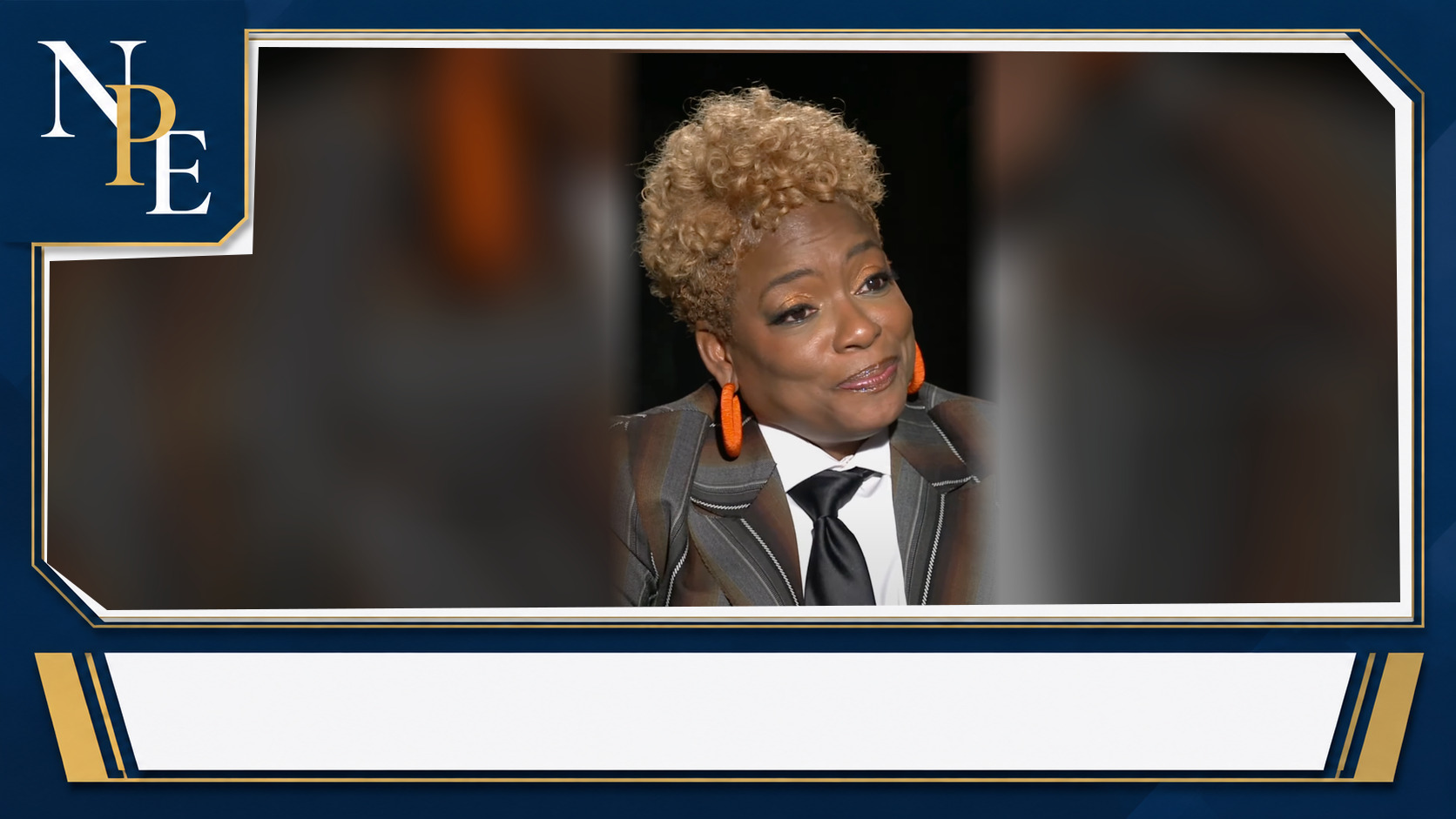
Ellis-Taylor’s support for her King Richard co-star does not erase the seriousness of the Oscars incident. It adds a personal account to the long-running debate over Will Smith, Chris Rock and the limits of public accountability.
Aunjanue Ellis-Taylor played Will Smith’s on-screen wife in King Richard, and she says she still stands by him after his Oscars slap. Ellis-Taylor’s position is personal: she remembers Smith as a colleague who treated crew members and supporting performers with care while they worked together.
At the March 27, 2022, Oscars, Smith slapped Chris Rock on stage after Rock joked about Jada Pinkett Smith. The incident prompted the Academy to bar Smith from its awards ceremonies for 10 years and remains a major public controversy. Ellis-Taylor’s support does not excuse the assault or erase its consequences; it reflects her view of the person she saw on set, rather than a defense of what happened that night.
Her connection to Will Smith
Ellis-Taylor and Smith played Brandy and Richard Williams, the parents of Venus and Serena Williams, in the 2021 drama King Richard. Ellis-Taylor earned an Academy Award nomination for supporting actress for her portrayal of Oracene “Brandy” Price, while Smith won best actor for playing Richard Williams.
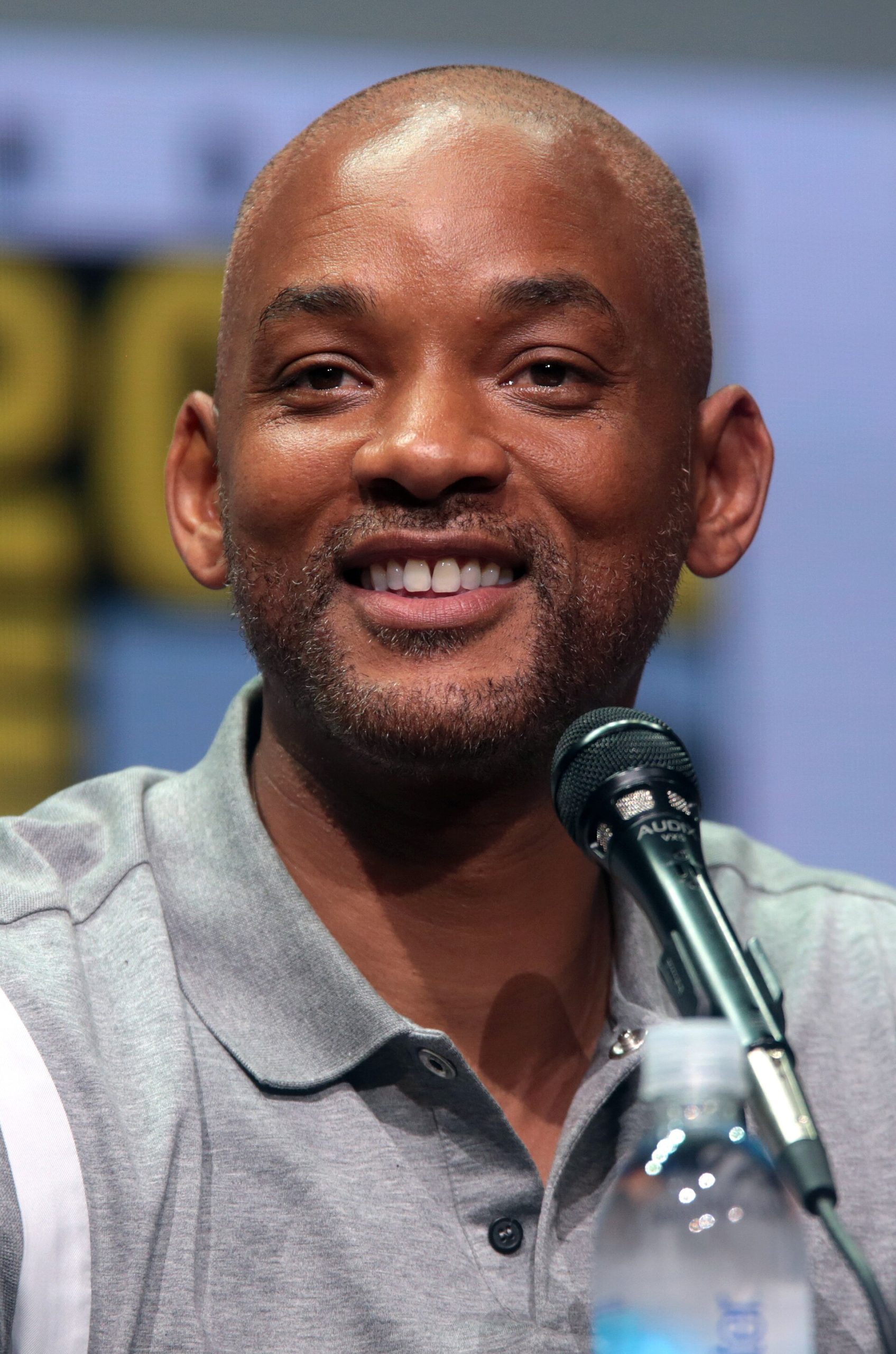
That shared awards-season triumph was overshadowed months later by the ceremony’s defining controversy. But for Ellis-Taylor, the film set remains central to how she evaluates Smith as a person and collaborator.
Speaking on Obsessed: The Podcast, Ellis-Taylor said she believes Smith was trying to protect his wife. She also described a workplace where Smith used his influence to challenge poor treatment of people with less power on a production.
The moment that changed the night
At the 94th Academy Awards on March 27, 2022, Rock made a joke about Pinkett Smith’s shaved head while presenting an award. Pinkett Smith has spoken publicly about having alopecia, an autoimmune condition that can cause hair loss.
Smith walked onto the Dolby Theatre stage, struck Rock, returned to his seat and shouted at the comedian not to mention his wife. Less than an hour later, Smith accepted the best actor Oscar.
The Academy later said Smith’s actions violated its standards of conduct. Smith resigned from the Academy before its disciplinary decision, and the organization barred him from attending Academy events, including the Oscars, for 10 years.
Smith publicly apologized to Rock, the Academy, the ceremony’s attendees and viewers. In a later video statement, he said his behavior was unacceptable and that he had reached out to Rock, who was not ready to talk.
Why Ellis-Taylor sees nuance
Ellis-Taylor’s position is not simply a defense of the slap as an acceptable response to an offensive joke. Her comments focus on the distinction she sees between protecting someone from humiliation and treating free-speech principles as a blanket defense for cruelty.
She said her experience growing up in Mississippi made her skeptical of broad appeals to the First Amendment when they are used to justify speech that harms others. That framing reflects a wider cultural divide that the Oscars incident exposed: people can agree that Smith crossed a line while still disagreeing about Rock’s joke and the broader expectations placed on public figures.
Critics of Smith’s actions have emphasized that physical violence cannot be an answer to speech, particularly on a global live broadcast. Others have argued that the moment became a flashpoint because it involved a joke about a medical condition and the public humiliation of a Black woman.
Both realities can sit together. A joke can be hurtful, and Smith’s decision to strike Rock can still be wrong and consequential.
What she says happened on set
Ellis-Taylor has previously said Smith helped address what she considered inadequate pay for her work on King Richard. According to her account, he personally intervened so that she and other cast members received more money.
She also told the podcast that Smith looked out for background performers and did not allow people to be treated poorly around him. For a supporting actor, those details can carry more weight than a red-carpet statement or a public-relations campaign.
Hollywood sets are famously hierarchical. A lead actor’s behavior can affect the daily experience of dozens, sometimes hundreds, of workers. Ellis-Taylor’s praise therefore speaks to a version of Smith that audiences generally do not see: the person with practical influence over who is heard, respected and paid.
It is also an inherently personal account. It describes the Smith Ellis-Taylor encountered, not a universal verdict on the Oscars incident or on his entire career.
The debate has outlived the broadcast
More than four years later, the slap still shapes discussion of Smith’s career and the Academy’s response. His best actor victory became inseparable from the minutes that preceded it, and the event remains a reference point whenever celebrity, comedy and public conflict collide.
For Rock, the incident became part of his own comedy and public narrative. For Smith, it created a lasting reputational wound that apologies and subsequent projects have not fully closed.
Ellis-Taylor’s support highlights another uncomfortable feature of celebrity accountability: people can hold a strong view of a public act while maintaining loyalty to someone they know privately. That does not invalidate calls for consequences, nor does it make firsthand testimony irrelevant.
A personal defense, not a reset
Ellis-Taylor is currently appearing in the Apple TV+ limited series Lucky, and her comments arrive as Smith continues to work in an industry still divided over his place in it. Her account offers context, not a clean rewrite of what viewers saw onstage.
The Oscars slap remains a clear example of a public boundary being crossed. Ellis-Taylor’s perspective is that the man behind that moment also showed generosity, fairness and care in the workplace. The tension between those two truths is precisely why the conversation has endured.
Leave a Reply