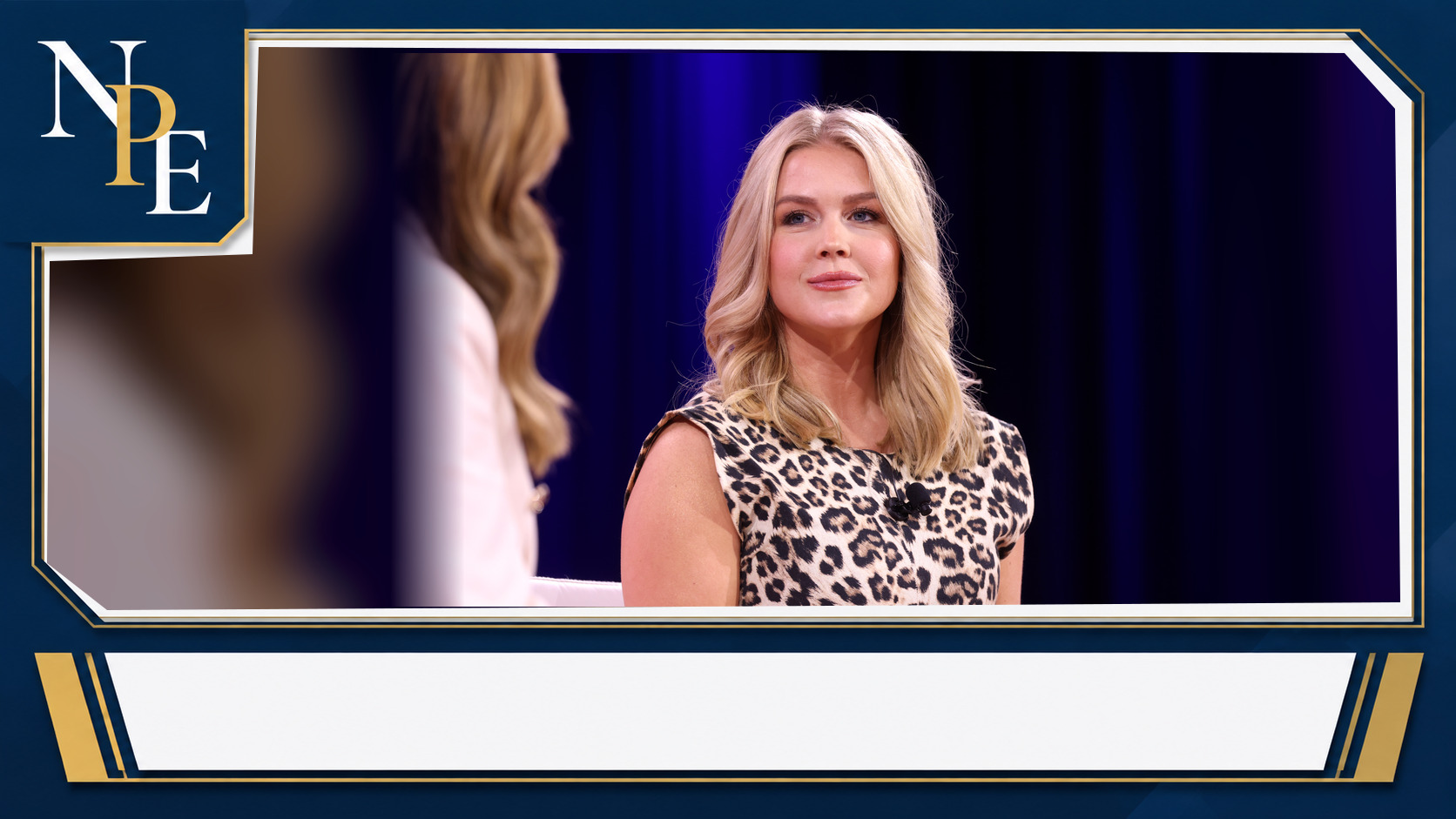
Leavitt’s planned departure will create an opening in one of the administration’s most visible communications jobs. Trump says she will remain an outside adviser, but the White House has not said who will take the podium next.
Karoline Leavitt will leave her position as White House press secretary at the end of the month, ending her tenure as the public-facing spokesperson for President Donald Trump’s administration. Leavitt said she is departing to spend more time with her young family, while Trump has said she will remain one of his outside advisers.
The pending change matters because the White House has not named a successor for a role that helps define how an administration explains, defends and promotes its agenda. It also comes as Leavitt, 28, leaves a job whose constant demands she said had become difficult to reconcile with being the mother her two children deserve.
Leavitt calls departure bittersweet
Leavitt announced what she described as a “bittersweet decision” in a social media post after Trump said she would be stepping down. According to The Associated Press, she said the deciding factor was the time, energy and attention required of a White House press secretary.
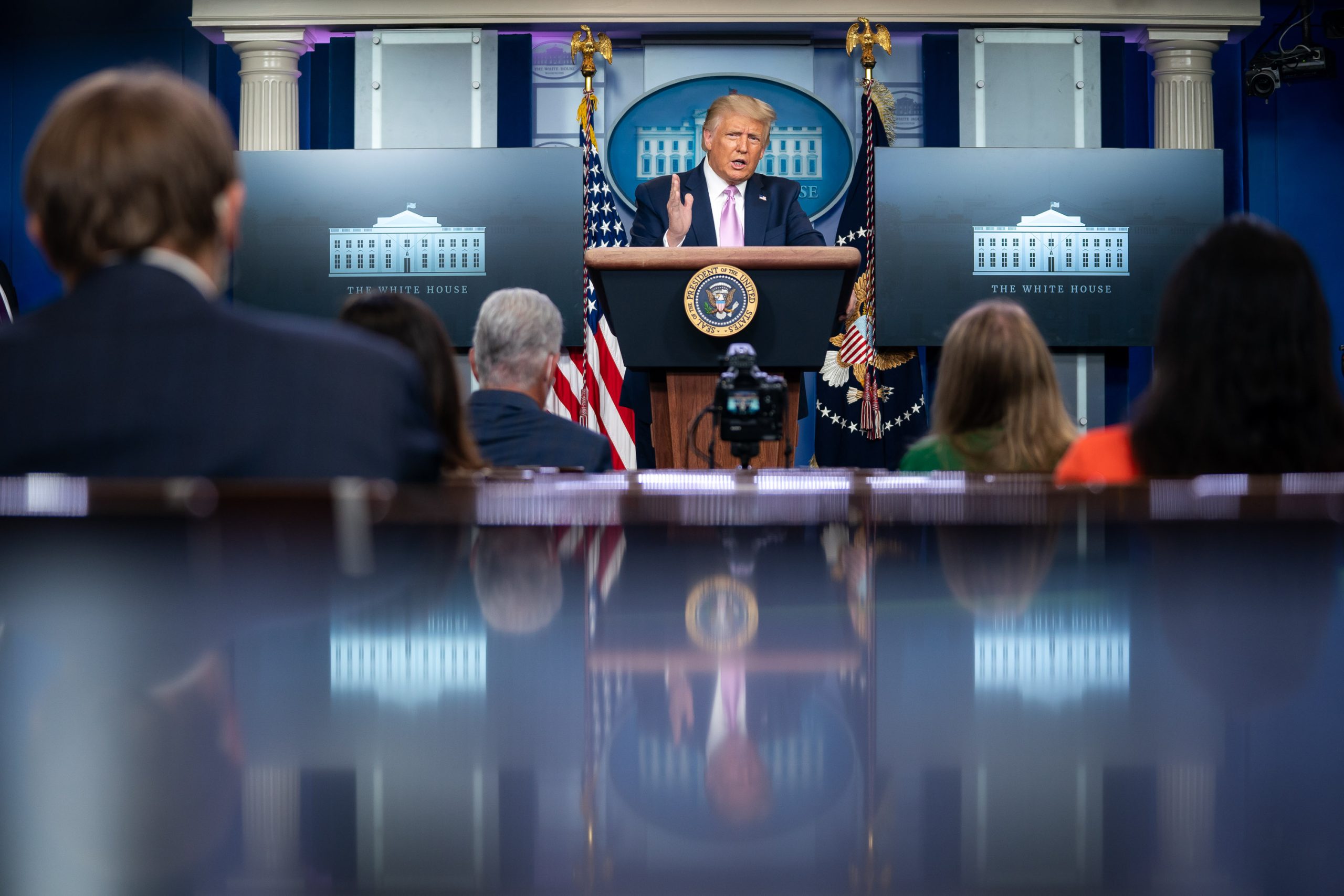
Her explanation was personal and direct. Leavitt recently returned to the White House podium after giving birth in May to her second child, a daughter named Viviana. She also has a 2-year-old son.
In her post, Leavitt said that after returning from the birth of her daughter, she felt she could not give both the role and her children the level of attention they deserved. Her departure is therefore framed as a family decision rather than a break with the president or a dispute within the administration.
That distinction is important in a White House where staffing moves are often read for signs of political tension. Neither Leavitt nor Trump indicated that policy disagreements drove the change.
Trump offers an adviser role
Trump said he understood and respected Leavitt’s decision. In his own social media post, he said she would become one of his top outside advisers and remain an influential voice in the Republican Party.
The president linked that future role to the administration’s political ambitions ahead of the midterm elections. But he did not define the scope of Leavitt’s outside-adviser position, say when it would formally begin or explain how often she might appear publicly on behalf of the White House.
That leaves a meaningful difference between Leavitt’s current job and her expected next one. The press secretary is an official White House position with a daily responsibility to communicate administration policy and respond to reporters. An outside adviser can still be politically influential without holding that same institutional role.
Trump’s statement suggests Leavitt is expected to remain in his broader political orbit. It does not answer who will assume the formal responsibility of representing the White House press office.
A highly visible job opens
The White House press secretary is among the most recognizable communications jobs in American government. The person in the role fields questions about presidential decisions, policy fights, world events and the administration’s handling of breaking news.
It is also a job shaped by the president’s own habits. Trump regularly speaks with reporters at White House events and while traveling, reducing the degree to which the press secretary alone controls the administration’s public message.
During Leavitt’s tenure, AP reported that she held fewer briefings from the White House press room than some recent predecessors. Trump frequently relied on direct exchanges with journalists, while Leavitt also made appearances on Fox News and other conservative outlets to advocate for the administration’s agenda and criticize Democrats and mainstream news organizations.
That approach means the eventual replacement will inherit more than a podium. The next press secretary will need to operate inside a communications strategy in which the president remains his own most prominent messenger.
Her path to the podium
Leavitt is the youngest person to have held the press secretary role, according to AP. Before becoming the administration’s chief spokesperson, she had already worked in Trump-world political communications and had experience inside the White House.
During Trump’s first term, Leavitt worked as an aide in the White House press office. She later served as communications director for Rep. Elise Stefanik, a New York Republican.
Leavitt also worked as a spokesperson for MAGA Inc., a super PAC supporting Trump, before joining his 2024 campaign. Her background blended campaign messaging, partisan politics and government communications—experience that made her a natural fit for an administration that often treats political and governing messages as closely connected.
In 2022, she ran for Congress in New Hampshire. She won a crowded 10-candidate Republican primary but lost the general election to Democratic Rep. Chris Pappas.
The briefing room has changed
Every White House press secretary develops a different relationship with reporters, and Trump’s first administration showed how much the role can vary. Sean Spicer and Sarah Huckabee Sanders were known for contentious exchanges with the press, while Stephanie Grisham never held a briefing during her tenure.
Kayleigh McEnany, who followed Grisham, frequently used briefing-room appearances to challenge and lecture the news media. Those contrasting approaches underscore that a press secretary’s influence is not measured only by the number of briefings held.
For supporters, a less frequent-briefing model can make sense when a president communicates constantly and directly. Critics of that approach can argue that fewer formal sessions give reporters and the public fewer sustained opportunities to seek on-the-record answers from the administration.
The White House has not said whether Leavitt’s successor would hold regular briefings, focus more heavily on television appearances, or continue the same balance between podium events and the president’s direct engagement with journalists.
What remains unanswered
The clearest fact is the timing: Leavitt plans to leave at the end of the month. The most immediate unanswered question is who Trump will select to replace her.
No replacement timetable was outlined in Trump’s announcement, and no interim press secretary was identified in the information reported by AP. The administration also has not detailed how Leavitt’s planned outside-adviser role would overlap with the White House communications operation after her departure.
For now, Leavitt’s decision offers a reminder of the unusually personal cost attached to a job that is public, political and relentlessly responsive. Her successor will face the same basic challenge: translating an unpredictable presidency into clear answers while serving a president who often prefers to speak for himself.
Leavitt’s exit may close one chapter at the White House, but Trump’s promise to keep her close suggests it is not the end of her role in his political network.
Leave a Reply