The Arizona dismissal turns the fight toward a narrower question: whether the Justice Department has a legally valid route to compel statewide voter-registration lists from states.
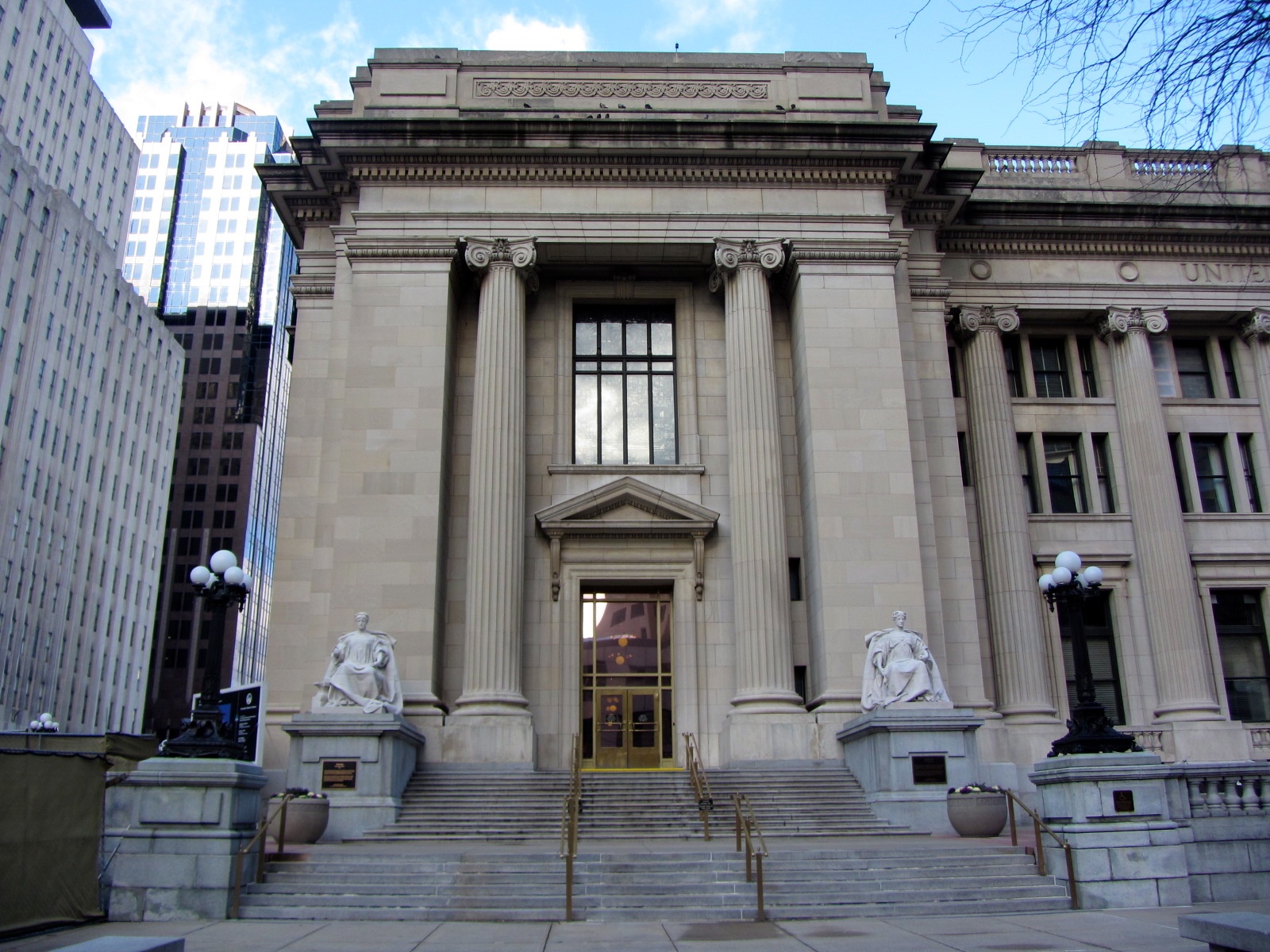
The Trump Justice Department’s voter-data campaign suffered another court setback when, according to reporting cited in the brief, a judge in the District of Columbia dismissed the Arizona case Tuesday and said a new version of the lawsuit would be futile.
The same reporting described DOJ as 0-20 in the court tally, with demands to 30 states and litigation or disputes touching 29 states. The ruling does not end every voter-roll fight, but it makes the Arizona case harder to revive and sharpens the dispute over federal access to state election records.
The legal question before the politics
The central fight is not whether voter rolls should be maintained. DOJ has argued that accurate voter-registration records are part of federal election oversight.

The harder question is what legal tool allows the federal government to demand statewide voter-registration lists, and how specific that demand must be before a court orders a state to comply.
States administer much of the election system, including voter registration and the handling of voter data. Federal law also sets voting-related requirements, and DOJ has enforcement authority in that space.
The Arizona ruling sits at the point where those powers collide: federal oversight on one side, state control and voter-data limits on the other.
What the Arizona dismissal changes
A dismissal with a futility finding is more difficult for DOJ than a simple procedural loss.
In civil litigation, a party that loses may sometimes amend a complaint, narrow a request or try a different legal theory. A finding that refiling would be futile means the court did not see a legally viable way for a rewritten Arizona complaint to fix the problem.
That does not automatically decide cases involving other states. But it does leave DOJ with another adverse ruling in a campaign already described in the reporting as winless in court.
It also raises the practical cost of continuing the same approach: DOJ must either defend the theory on appeal, adjust its demands or keep pressing similar cases elsewhere.
DOJ’s stated basis for the requests
The Justice Department has framed the voter-data effort as an election-integrity push focused on the condition of state voter rolls.
According to a Sept. 25, 2025, DOJ announcement, the Civil Rights Division sued California, Michigan, Minnesota, New York, New Hampshire and Pennsylvania for failing to produce statewide voter registration lists after department requests.
In that announcement, Attorney General Pamela Bondi said “clean voter rolls are the foundation of free and fair elections” and said states that do not meet their responsibilities would see DOJ in court.
Assistant Attorney General Harmeet K. Dhillon said clean rolls protect against fraud and abuse and help restore confidence in elections. DOJ has pointed to the National Voter Registration Act, the Help America Vote Act and the Civil Rights Act of 1960 as part of its claimed authority.
Why statewide files are sensitive
The fight is not only about paperwork. Statewide voter files can include names, addresses, registration status and other data points, depending on the state.
Some voter-roll information may be public in some form. Even then, a broad transfer of voter data to a federal agency can raise questions about security, retention, matching and future use.
That is why a state may accept that DOJ has voting-law enforcement powers while still objecting to a demand it views as too broad or insufficiently justified.
For DOJ, the task is to show that the statutes it cites authorize the particular records it seeks. The Arizona decision indicates that general arguments about clean voter rolls may not be enough by themselves.
How to read the 0-20 tally
The reported numbers are politically potent: demands to 30 states, litigation or disputes touching 29 states, and a 0-20 record in court as described in the reporting.
Legally, the meaning is narrower. The tally does not prove that every state’s voter rolls are accurate, and it does not resolve every possible voter-list maintenance dispute.
It means courts, in the cases counted, have not accepted the administration’s method for forcing production of the data.
That distinction matters because the public debate can merge two separate issues: whether voter rolls should be accurate, and what lawful process the federal government may use to obtain state voter data.
DOJ’s remaining options
The Arizona dismissal leaves the Trump administration with several possible paths, none of them guaranteed.
DOJ could appeal. That could revive the effort, but it could also produce a broader ruling that makes the setback more durable.
The department could narrow its requests or try another legal theory. That might make a future case easier to defend, but it could also limit the scale of the data collection DOJ appears to be seeking.
Or DOJ could keep pressing similar lawsuits elsewhere. If courts continue rejecting the approach, the reported 0-20 record will remain more than a bruising statistic; it will be the main legal obstacle to the administration’s voter-data strategy.
Leave a Reply