
The military’s lead in public confidence says as much about frustration with elected government as it does about respect for uniformed service. The gap shapes how Americans view budgets, war powers and democratic accountability.
Americans trust the military more than Congress or the president, according to a public opinion survey about trust in major U.S. institutions in the United States. They don’t trust Washington’s elected branches nearly as much, and that public trust gap matters now because national decisions on defense, budgets and war powers depend on institutions that voters see very differently.
The finding is not just a feel-good story for the Pentagon. Surveys from Gallup and the Reagan Presidential Foundation and Institute show the military remains near the top of the confidence rankings, while Congress and the presidency sit much lower.
A gap bigger than politics
Public trust in the military has long been stronger than trust in elected institutions, but the contrast has become one of the clearest features of American civic life. The military is often viewed as disciplined, mission-driven and separate from day-to-day partisan combat. Congress and the president are viewed through exactly that partisan combat.
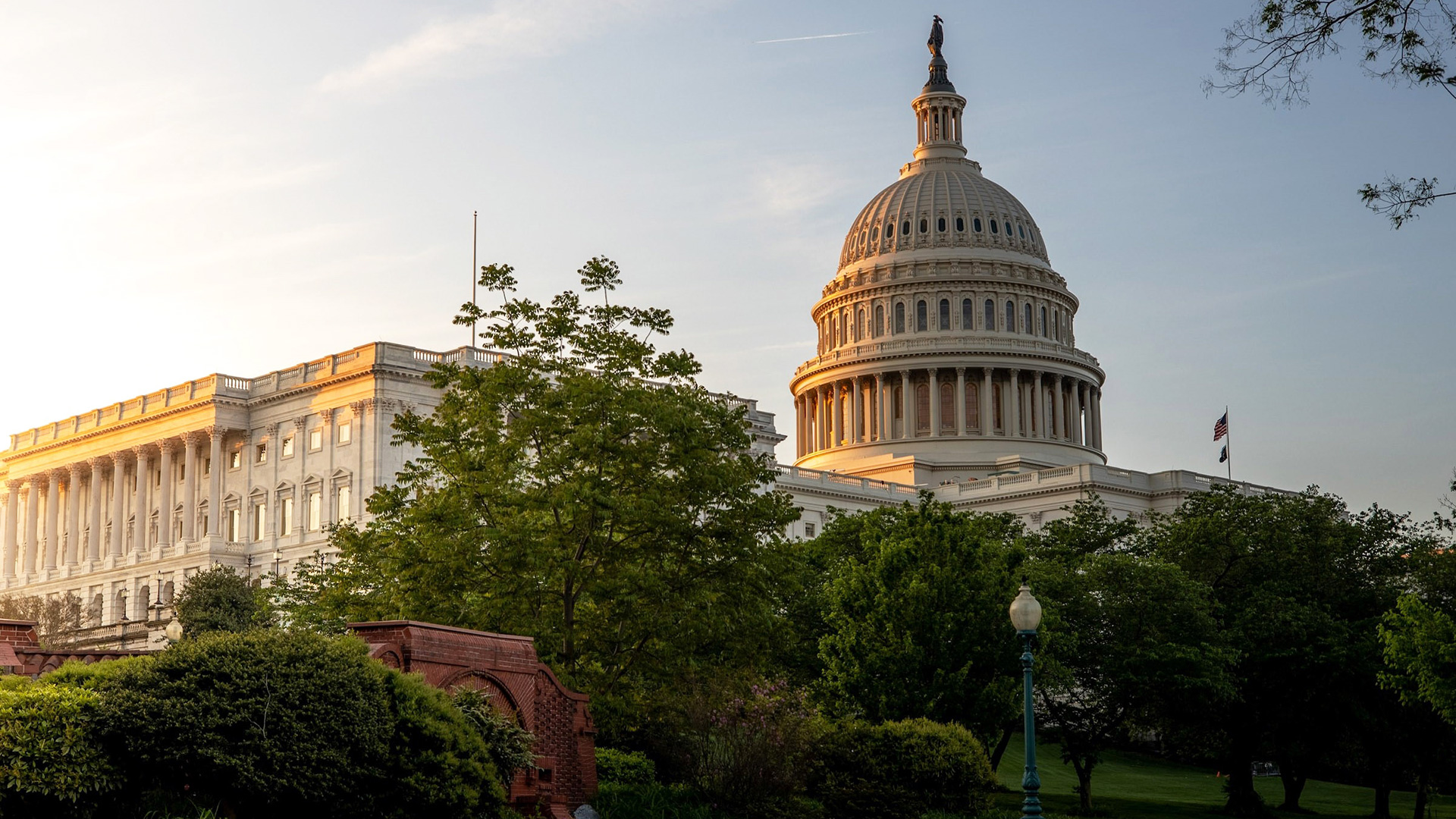
That does not mean Americans agree on every military action or defense budget. It means many people separate the institution of the armed forces from the political leaders who deploy, fund and oversee it.
Gallup’s annual confidence polling has repeatedly shown the military ranking among the most trusted U.S. institutions. In its 2024 survey, Gallup found 61 percent of Americans had a great deal or quite a lot of confidence in the military, compared with 26 percent for the presidency and 9 percent for Congress.
Those numbers are not just about popularity. They reveal a hierarchy of credibility: Americans tend to trust uniformed service more than the elected officials who make the most consequential decisions about it.
What the surveys measure
Institutional trust polls usually ask whether respondents have a great deal, quite a lot, some or very little confidence in a list of institutions. That wording matters. A low number for Congress does not mean every American rejects every lawmaker. It means few people express high confidence in Congress as a national institution.
The Reagan Presidential Foundation and Institute survey, reported by NBC News in 2021, found that the military and police remained the two most trusted institutions in that poll, even after both saw confidence fall from 2018 levels. The survey said confidence in the military dropped from 70 percent to 56 percent over that period.
In the same Reagan Institute survey, trust in the president was 30 percent, while trust in Congress was 10 percent. The poll was conducted from Feb. 4 to Feb. 14, 2021, with more than 2,500 participants.
Different polls use different wording and field dates, so the topline numbers should not be treated as interchangeable. The pattern, however, is consistent: the military sits far above Congress and the presidency in public confidence.
Why the military stays trusted
Part of the military’s advantage is cultural. Service members are often seen as sacrificing for the country, following orders and working inside a chain of command. That image gives the institution a moral and practical credibility that elected branches rarely enjoy.
The military also benefits from distance. Most Americans do not interact with the Pentagon the way they interact with taxes, schools, courts, health care or partisan media. The armed forces are highly visible in moments of crisis and ceremony, but less visible in the everyday frustrations that drive anger toward politicians.
Congress has the opposite problem. Its work is public, messy and designed around conflict. Negotiation, delay and compromise can look like failure even when the system is functioning as written.
The presidency has a different exposure risk. One person becomes the face of inflation, immigration, wars, disasters and cultural fights, even when the causes extend far beyond the Oval Office. That makes the office a magnet for blame.
Congress pays for gridlock
Congress is consistently one of the least trusted institutions in American polling because it is where polarization becomes visible. Shutdown threats, debt-limit fights, ethics controversies and partisan investigations all feed the sense that lawmakers are performing for their base rather than governing for the country.
There is also a representation paradox. Voters often dislike Congress as a body while approving of their own member, at least enough to reelect incumbents. That allows the institution to remain unpopular without producing sweeping turnover.
Low trust in Congress has practical consequences. It can make it harder for major legislation to be accepted as legitimate, even when passed through ordinary constitutional procedures. It can also encourage presidents to rely more heavily on executive action, which then deepens fights over presidential power.
That cycle helps explain why distrust in Congress and distrust in the presidency often reinforce each other. When Congress is seen as broken, presidents push boundaries. When presidents push boundaries, Congress looks either powerless or purely partisan in response.
The military’s advantage has limits
High trust in the military is not the same as unchecked support. The Reagan Institute survey reported by NBC News showed military confidence had declined from its 2018 level. Gallup has also found confidence below the post-9/11 highs that once gave the armed forces an unusually broad public mandate.
Several factors can weigh on military trust: long wars, withdrawal decisions, recruitment struggles, politicized debates over military leadership, sexual assault scandals, extremism concerns and questions about defense spending. The military may rank high compared with other institutions, but it is not immune to broader civic distrust.
There is also a democratic caution here. A country can respect the military while still insisting that civilian elected leaders make the final calls. Strong trust in the armed forces becomes unhealthy if it turns into a belief that generals should substitute for elected government.
Some analysts see the trust gap as reassuring because it shows continued respect for national service. Others see it as a warning that Americans are losing faith in the institutions that are supposed to direct the military in the first place.
Why the gap matters now
The trust divide affects more than polling charts. It shapes debates over Ukraine, China, the defense budget, domestic deployments, veterans’ care and the use of force abroad. When the military is trusted and politicians are not, the public may support service members while doubting the strategy behind their missions.
That tension can produce contradictory attitudes. Americans may favor a strong military but oppose specific interventions. They may trust troops but distrust the officials who send them overseas. They may support defense readiness while questioning waste at the Pentagon.
For elected leaders, the lesson is blunt: borrowing the military’s credibility is easier than earning public trust. Photo opportunities with troops, patriotic language and defense spending votes cannot fully repair confidence in Congress or the presidency.
The harder task is institutional performance. Congress has to show it can legislate, oversee and compromise. Presidents have to show competence without treating every dispute as a test of personal loyalty. The military’s trust advantage will remain politically powerful, but it cannot carry the rest of government forever.
What remains unclear
The next question is whether military trust stabilizes, rebounds or continues to soften along with confidence in other institutions. Younger Americans, partisan groups and communities with different experiences of policing, war and public service may not view the armed forces in the same way.
It is also unclear whether any elected institution can regain broad confidence in a fragmented media environment. Voters increasingly receive different versions of the same events, which makes shared trust harder to build.
For now, the message across major surveys is consistent. Americans trust the military far more than Congress or the president, but that gap is not only a compliment to the armed forces. It is also an indictment of elected government’s struggle to prove it can still work.
Leave a Reply