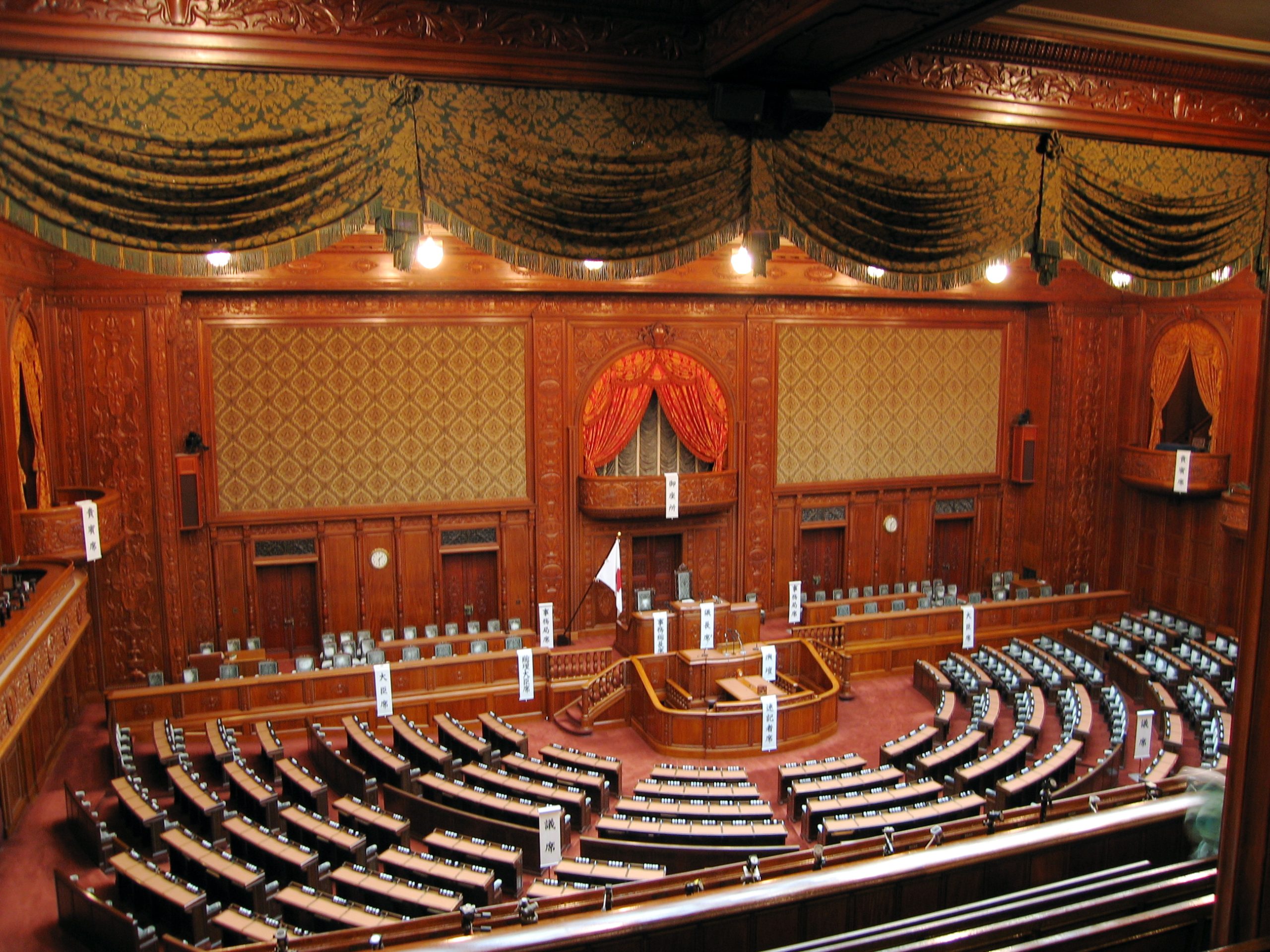
Roll calls can document where lawmakers stood. They cannot, by themselves, deliver the policy outcome House Republicans are asking voters to credit.
Before any party can turn a House vote into a governing win, a bill has to clear a basic constitutional hurdle: the House is only one half of Congress. House Republicans are using their House record as evidence that they acted on voter demands. The record can support the narrower point that lawmakers took recorded positions and moved measures through the chamber. It cannot, without Senate approval of the same text and presidential action, show that those measures became law.
That distinction is where the current argument turns. The paperwork matters. So does the unfinished process.
Start with the finish line
Congress.gov describes the House and Senate as equal in their legislative roles, with enactment requiring both chambers to agree to the same bill in the same form before it is presented to the president.
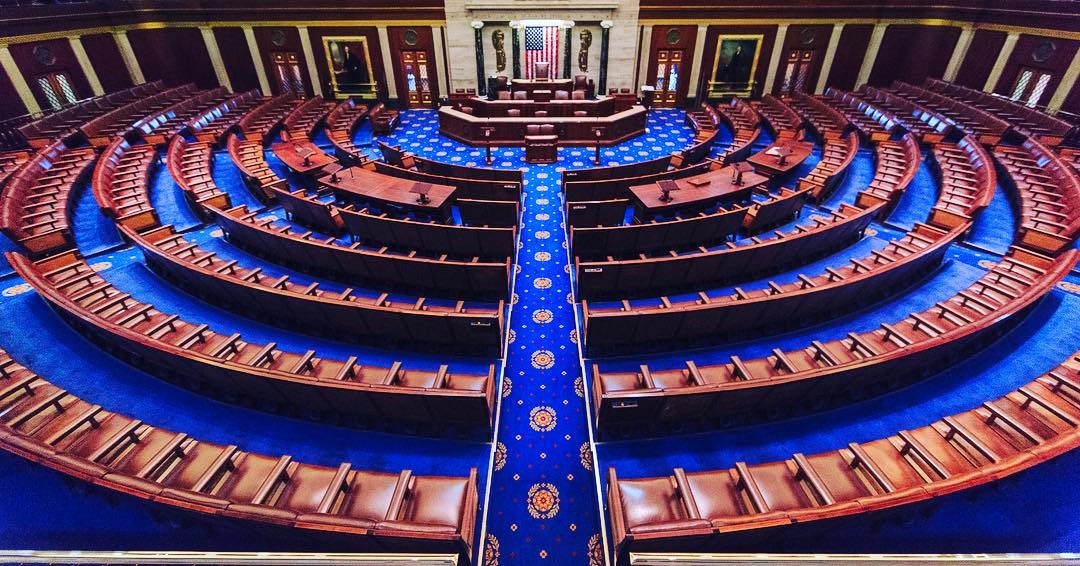
House.gov gives the same basic sequence: a bill passes the House, moves to the Senate, may be debated or amended there, and any differences between the chambers must be worked out before final approval.
Congress.gov also explains the president’s role. Once both chambers have agreed to a bill, it is enrolled and presented to the president, who may sign it, veto it or, in some circumstances, allow it to become law without a signature. A veto can be overridden only if both chambers meet the required two-thirds threshold.
That is why a House vote can be real and still incomplete. It may show action, pressure or negotiating position. It is not the same as enactment.
What a roll call can prove
House Republicans’ “receipts” argument depends on the idea that recorded votes are evidence. On that narrower point, the public record is useful.
House Clerk records show how members voted, whether a measure passed or failed, and who did not vote. They are formal records, not campaign slogans.
But a roll call answers a limited question: what happened in that chamber on that vote. It does not answer whether the Senate will accept the same language, whether the chambers will reconcile differences or whether the president will approve the final bill.
For voters, that makes the record informative but not conclusive.
Two votes show the range
The public record cited in this debate includes a March 27, 2026 House vote on a resolution dealing with the Senate amendment to H.R. 7147, the Department of Homeland Security Appropriations Act, 2026. House Clerk records show the measure passed 213 to 203, with 16 members not voting.
That vote was legislative action, but it also involved Senate amendment language and appropriations procedure. In other words, even a successful House vote can sit inside a larger process that is not easy to reduce to a single talking point.
Another House Clerk record from June 30, 2026, shows the chamber rejected a War Powers Resolution measure directing the president to remove U.S. armed forces from hostilities in Lebanon. That vote failed 189 to 235, with seven members not voting.
Taken together, the examples show why raw vote references need context. House action can mean passage, rejection, amendment, procedure or messaging. The label “vote” does not tell readers which one occurred.
The border dispute puts the claim to work
Immigration and border security are a clear example of how House action becomes a Senate-facing political argument.
In a February 5, 2024 statement from Rep. Elise Stefanik’s office, House Republican leaders opposed a Senate immigration bill and argued that it did not secure the border. The statement was attributed to Stefanik, Speaker Mike Johnson, Majority Leader Steve Scalise and Majority Whip Tom Emmer.
Those leaders pointed instead to the Secure the Border Act, known as H.R. 2, and urged the Senate to take up the House-backed approach.
That framing lets House Republicans say they acted and that the Senate holds the next decision. Supporters view that as accountability. Critics view it as a way to bank a House position while making compromise harder.
The mandate claim is harder to verify
The procedural part of the argument is the easiest to check. Members voted. Measures moved. Leaders issued statements. Official records can document those steps.
The broader claim that House Republicans did what voters asked is more difficult to prove from roll calls alone. Voters do not usually speak in one exact legislative text.
Some voters may prioritize stricter border enforcement. Others may focus on legal pathways, humanitarian protections, spending, military restraint, prices or benefits. Those preferences can collide once they are turned into bill language.
A recorded vote can show whether a lawmaker took a position. It cannot fully show whether that position matched the public’s full mix of demands.
How to read the next round
The next question is not simply whether House Republicans can point to a paper trail. They can point to recorded action. The more important question is what happens after the House acts.
If the Senate advances House-backed measures, Republicans can argue that pressure helped move the agenda. If senators revise the measures, House Republicans must decide whether to negotiate or object to the changes. If the Senate does not act, the House record becomes campaign evidence rather than enacted policy.
This is not a tactic unique to one party. Parties that control one chamber often use votes to define priorities and pressure the other chamber.
The clean way to read the record is to separate evidence from outcome. A House vote can show what lawmakers put their names behind. Only the full lawmaking process can turn that position into law.
Leave a Reply