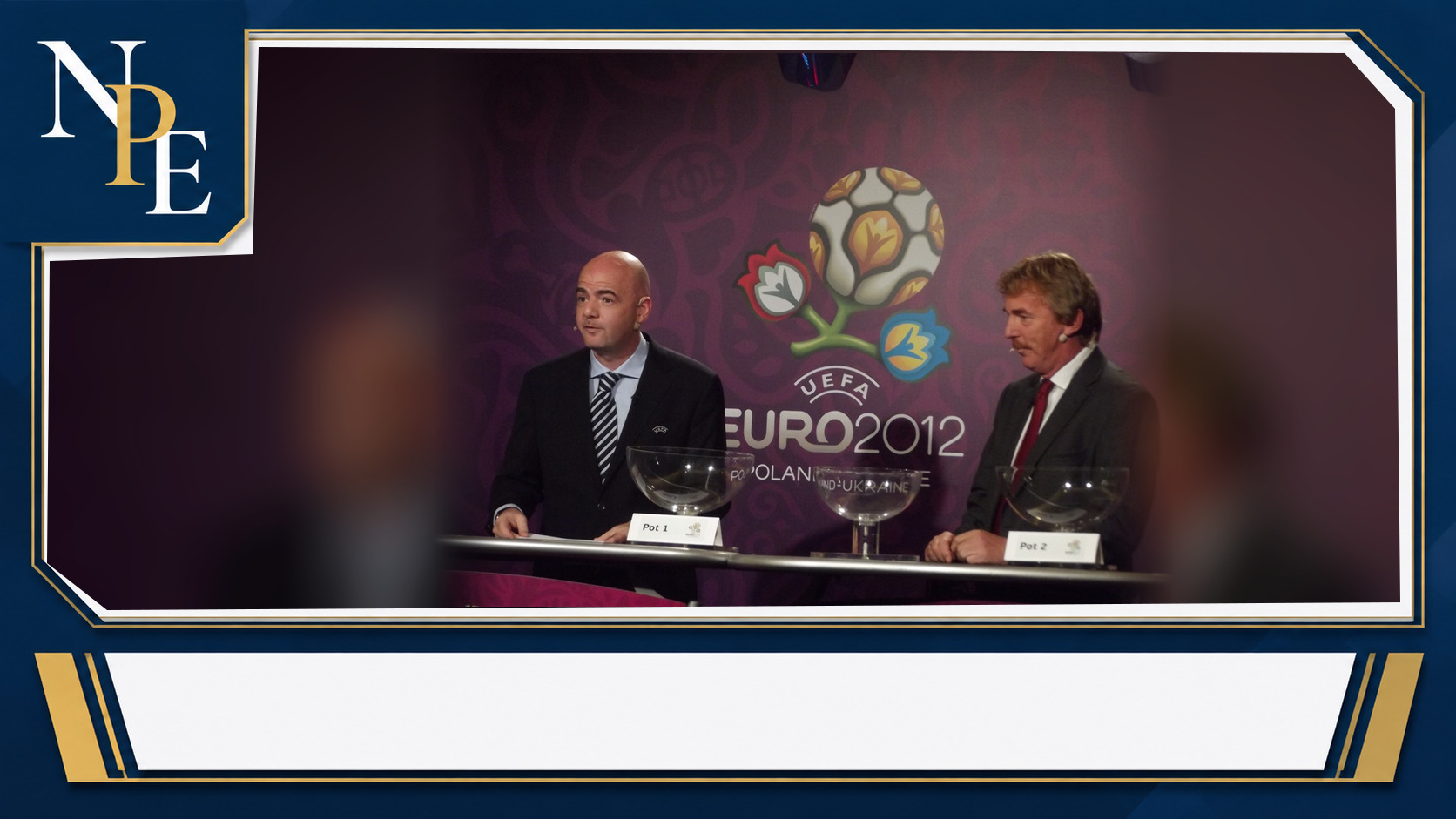
The dispute is bigger than an unverified letter: it has become a fight over World Cup commercial control, FIFA governance and the votes needed to challenge football’s most powerful office.
Gianni Infantino is facing a FIFA power test after a leaked letter reportedly threatened his position as FIFA president. The letter has emerged amid an escalating FIFA leadership fight, with critics and UEFA questioning whether Infantino can retain support while FIFA insists he still has the mandate of its 211 member associations.
The reported letter has drawn attention, but its contents, authorship and provenance have not been publicly established in the available reporting. The more consequential question is whether opposition to Infantino can become an organized global voting bloc capable of challenging his presidency.
The letter is not a removal process
The claim surrounding the leaked letter is serious because it reportedly warned of the end of Infantino’s reign as FIFA president. But the available reporting does not include the letter’s full text, identify its author with certainty or establish that it started a formal process to remove him.

That leaves a crucial distinction between political pressure and institutional power. A leaked communication may show that private tensions have intensified, yet it does not by itself carry constitutional or legal force within FIFA.
FIFA’s leadership structure means that even a highly public dispute must eventually come down to support among member associations. The letter may have sharpened the sense of crisis, but it has not demonstrated that critics possess the votes needed to force change.
World Cup assets sparked the clash
The immediate conflict grew from FIFA’s proposal to sell a 20% stake in a new company controlling World Cup commercial assets. UEFA opposed the idea and, according to the reporting, backed the possibility of a boycott by all 55 of its member countries if FIFA did not drop the plan.
FIFA abandoned the proposal less than 48 hours after the boycott threat emerged. That was a significant retreat, but it did not settle the larger argument between European football officials and FIFA’s leadership.
UEFA later said its position had not changed. The dispute therefore appears to have moved beyond one commercial proposal and toward wider concerns about governance, trust and the limits of FIFA’s authority over the game’s most valuable tournament.
Infantino’s critics see the episode as a warning about how far FIFA might alter the business structure around the World Cup without meaningful consensus. FIFA and its supporters can frame the resistance differently: as an effort by established football powers to prevent the global body from setting its own course.
Europe alone cannot decide it
Even vocal opposition from UEFA would not be enough to remove Infantino. The Guardian reported that UEFA had been seeking support from other confederations for an Emergency FIFA Congress that could lead to a no-confidence vote.
Under the reported numbers, UEFA’s 55 member associations could contribute 43 votes toward the threshold required to convene an emergency congress. Removing Infantino would require 106 votes from FIFA’s 211 members.
Those figures explain why the dispute has become a contest for alliances rather than simply a public argument. Critics need backing well beyond Europe, while Infantino’s camp needs to preserve a broad international coalition.
- UEFA has opposed Infantino’s continued leadership and challenged the World Cup commercial proposal.
- Concacaf was reported to be aligned with UEFA in the wider dispute.
- The Asian Football Confederation was reported to include some support for the European position.
- CAF and Conmebol have publicly backed Infantino, according to the reporting.
FIFA says the mandate remains
FIFA has rejected the idea that public allegations or outside pressure should determine who leads the organization. A spokesperson said Infantino had been elected by member associations and continues to serve with their mandate.
The organization also said it would not support or facilitate an election process that conflicted with its statutes, democratic procedures or governance framework. In a statement reported by The Guardian, FIFA alleged there was a “concerted and ongoing effort” by some parties to undermine FIFA and its president.
FIFA argued that people who lack member-association support should not use “allegation, insinuation or misinformation” to obtain what they cannot achieve through formal procedures. That response captures the divide at the center of the conflict.
Critics argue that accountability and governance concerns justify a change in leadership. FIFA’s position is that its internal democratic system, rather than an external pressure campaign, must decide the presidency.
Separate allegations add scrutiny
The leadership battle has also been complicated by reporting about a departure payment to a former UEFA employee alleged to have been in a relationship with Infantino when he was UEFA general secretary more than a decade ago.
UEFA confirmed that a payment was made, while FIFA described allegations connected to the matter as categorically untrue. The Norwegian Football Federation has publicly called for Infantino to resign, according to The Guardian’s reporting.
Those claims have increased scrutiny of Infantino, but they do not establish wrongdoing or automatically create a mechanism to remove him. FIFA has criticized parts of the media coverage as unsubstantiated or false and said it would challenge reporting it considers inaccurate.
The competing accounts remain unresolved in the available reporting. That makes it important to separate confirmed institutional actions, such as UEFA’s opposition and FIFA’s response, from allegations that remain disputed.
The next test is coalition strength
The first practical test is whether the conflict remains an unusually bitter feud between football institutions or develops into a campaign that can attract votes across FIFA’s confederations. FIFA events and tournaments may provide early signs of whether boycott threats have meaningful support.
The Under-20 Women’s World Cup in Poland was identified by The Guardian as an early pressure point. FIFA’s next presidential election is expected in March, creating a clearer deadline for both sides to show whether their alliances are real.
For now, the reported leaked letter remains a striking but unverified piece of a much larger struggle. What is clear is that Infantino faces significant opposition; what is not clear is whether his opponents can assemble the global agreement required to end his presidency.
Leave a Reply