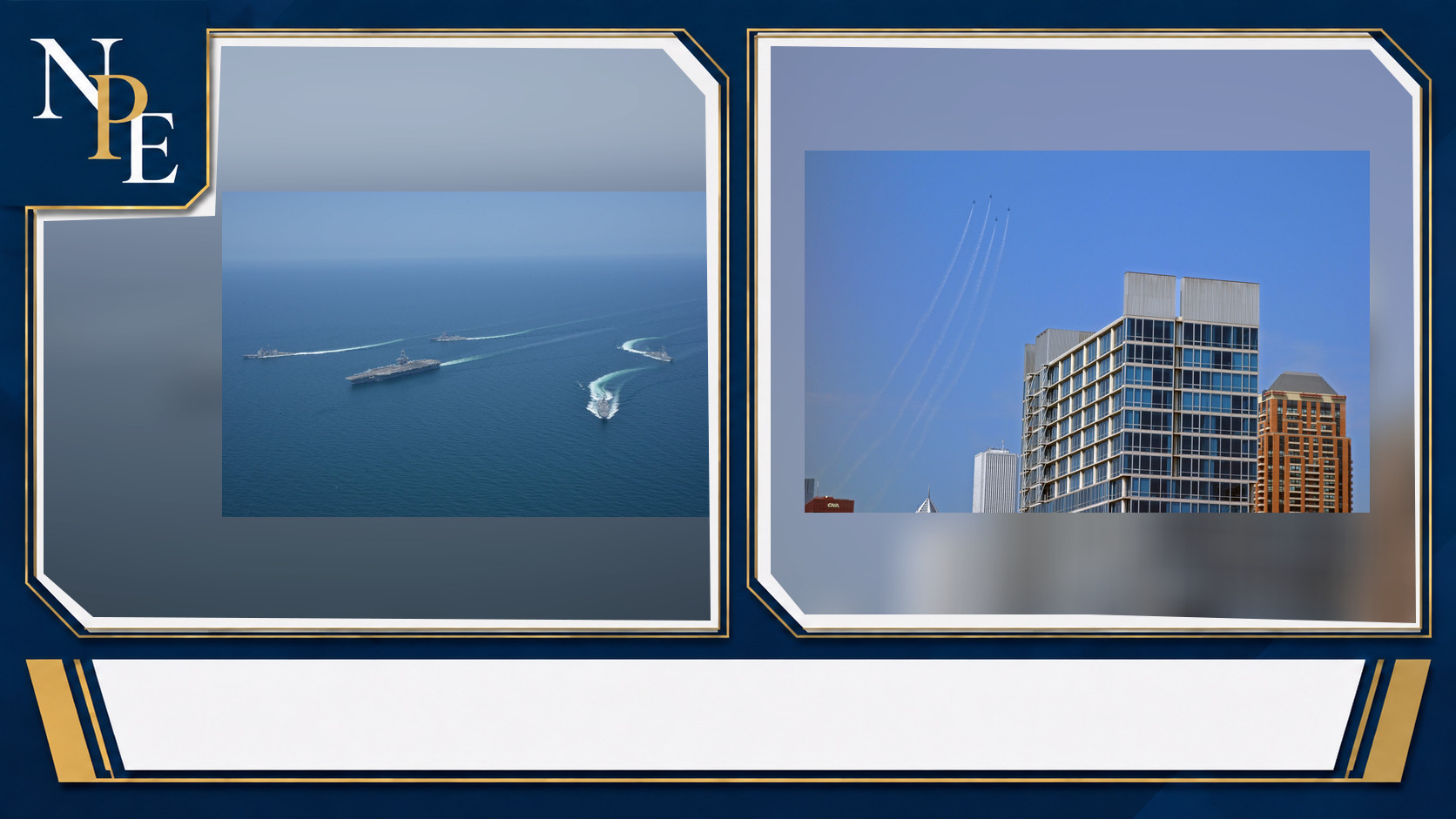
The allegation spotlights the human strain that can accompany extended naval operations far from home. Publicly available material confirms the USS Abraham Lincoln’s demanding Middle East missions, but does not independently verify the specific reported incidents.
US sailors were reportedly trying to jump overboard while serving on an extended deployment in the Middle East, according to a report carried by The Independent. The report has drawn attention to the distress sailors may face during long, high-pressure operations at sea and to the unanswered questions surrounding the alleged incidents.
The USS Abraham Lincoln is central to the available deployment context. U.S. Navy records show the carrier and its strike group have operated in the Middle East on missions involving regional deterrence, air operations and protection of maritime traffic, but the public material reviewed does not independently confirm the report’s specific allegation about sailors going overboard or attempting to do so.
What the report alleges
The available source material identifies a report that US sailors were “trying to jump overboard” during an extended Middle East deployment. That is a serious claim involving potential immediate danger to service members, and it should be treated as an allegation unless and until it is confirmed by the Navy or supported by additional reporting.
Crucial details are not established in the material provided: how many sailors were involved, when the alleged incidents occurred, whether anyone entered the water, what prompted the distress, and what medical or command actions followed.
Those distinctions matter. An overboard emergency, an attempt stopped by shipmates, a mental-health intervention and an unverified account are not interchangeable descriptions. Public discussion can move quickly around a striking phrase, while the facts required to understand an event may take longer to emerge.
Why an extended deployment matters
Life aboard an aircraft carrier is demanding even in routine conditions. Sailors live and work in close quarters, follow watch schedules that run around the clock and carry responsibilities tied to flight operations, engineering, navigation, security, maintenance and supply.
Deployment extensions can add another layer of uncertainty. Plans for leave, family milestones, schooling, childcare and a return home can change when a ship’s mission changes. That does not establish the cause of any individual sailor’s distress, but it helps explain why reports involving crew welfare on a prolonged mission warrant close attention.
The stress is not limited to the length of time away. A carrier strike group operating near active conflict zones may face a rapid operational tempo, heightened security demands and the knowledge that missions can shift with events ashore or at sea.
Lincoln’s recent Middle East role
The Navy’s public account of the Abraham Lincoln Carrier Strike Group’s 2024 deployment illustrates the scale of such missions. The group left its homeports in San Diego and Pearl Harbor in July 2024, initially deploying to the Indo-Pacific before being directed to the U.S. Central Command area of responsibility.
According to U.S. Pacific Fleet, the move was intended to bolster U.S. force posture in the Middle East, deter escalation, counter Houthi capabilities and defend U.S. forces. The Navy said the group conducted combat operations and later returned to San Diego on Dec. 20, 2024 after a five-month deployment.
That official release described more than 6,000 sailors in the strike group, more than 9,000 sorties, 21,000 flight hours, 28 replenishments at sea and more than 78,000 nautical miles traveled. Those figures do not speak to the current allegation directly, but they show the sustained logistical and operational demands placed on crews assigned to a carrier strike group.
Official praise and welfare questions
Navy announcements commonly focus on mission completion, readiness and the performance of sailors and Marines. In its 2024 release, the service praised the Abraham Lincoln crew for conducting assigned missions amid uncertainty and threats from Iranian-backed Houthi forces.
That perspective is important: military leaders must explain what a deployment achieved and how forces performed. Yet reports of potential acute distress raise a separate question about whether crews have adequate support during and after long operations.
Both ideas can be true at once. A unit can carry out difficult missions effectively while individual service members struggle. The issue is not whether sailors are resilient; it is whether systems for identifying distress, making care available and responding quickly are working when the operational pressure is highest.
What remains unverified
There is no publicly supplied Navy statement confirming the reported attempts to jump overboard, identifying the sailors involved or explaining any investigation. There is also no independently documented account in the research provided that establishes a connection between an extended deployment and the alleged behavior.
That absence should not be used to dismiss the report, nor should it be filled with assumptions about the sailors’ health, motives or command climate. Claims involving possible self-harm require especially careful reporting because speculation can mischaracterize people in crisis and obscure the facts.
A fuller accounting would need to clarify the ship and time period involved, whether the Navy opened an inquiry, what immediate safety procedures were used and whether the reported sailors received care. It would also need to distinguish a broader pattern from isolated incidents.
The larger test for the Navy
For families, the report is likely to sharpen a familiar concern: what happens when a planned deployment becomes longer, more dangerous or less predictable? Families often absorb the effects of operational changes alongside the sailors who are deployed.
For the Navy, the challenge is practical as well as reputational. Transparent, privacy-conscious communication after serious alleged safety incidents can help families understand what occurred without disclosing personal medical information. Silence may protect an investigation or individual privacy, but it can also leave a vacuum for rumor.
The allegation involving US sailors and an extended Middle East deployment remains short on confirmed public detail. What is clear from Navy records is that carrier crews have been asked to perform demanding missions across vast distances. If the reported incidents are substantiated, they would make crew welfare—not only mission success—a central measure of how such deployments are managed.
Leave a Reply