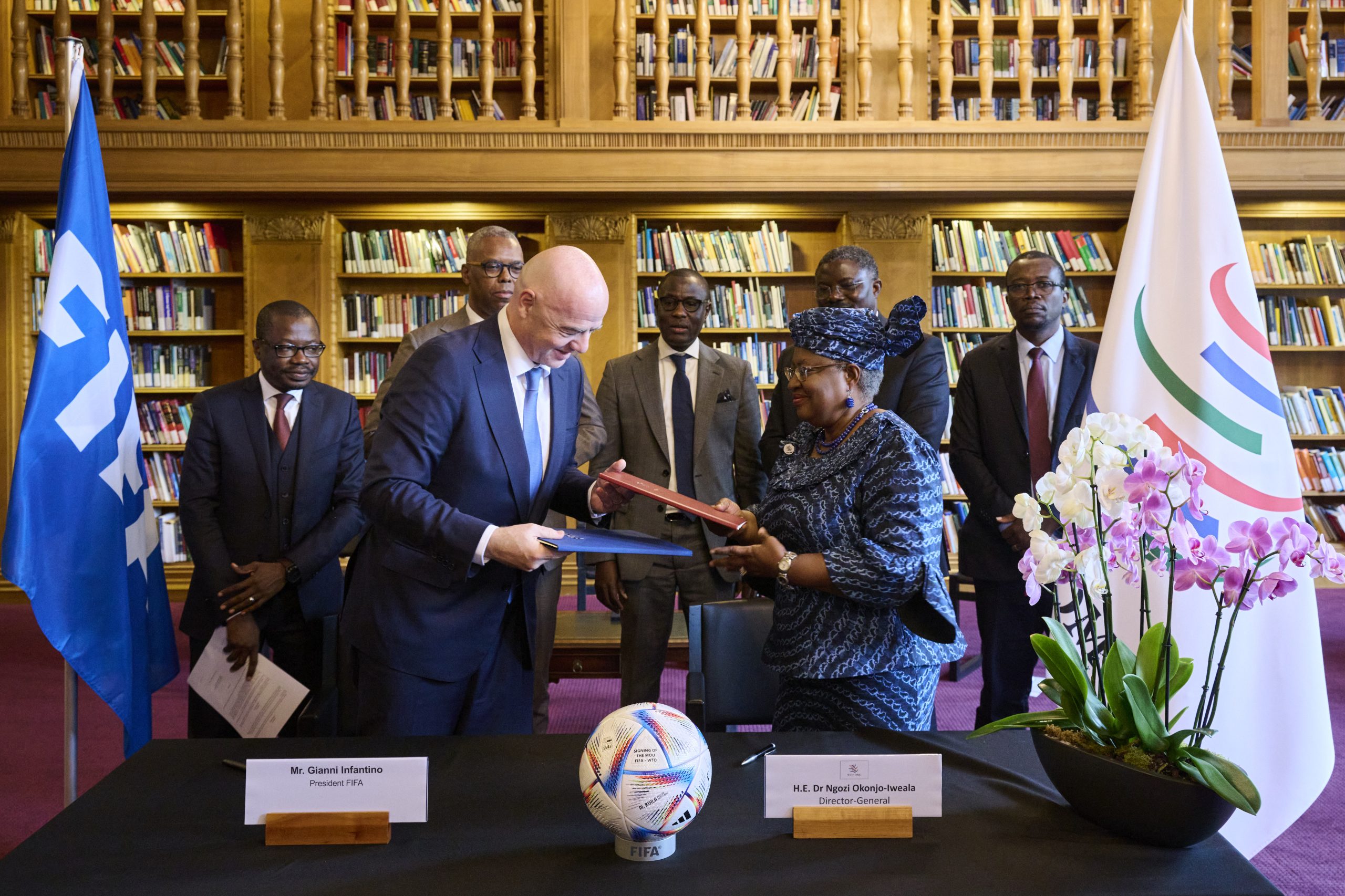
The collapse of the FIFA Forward Enterprise proposal has exposed a governance fight at the top of world soccer. The sharpest criticism is now coming from people once seen as close to Infantino.
Pressure on FIFA president Gianni Infantino intensified Tuesday after Arsène Wenger criticized the abandoned World Cup private investment proposal and a key FIFA ally turned against him. The backlash inside FIFA matters because Infantino’s problems mount less from outside noise than from people he appointed or relied on, just months before a planned re-election push.
At issue is a shelved plan for a commercial subsidiary that FIFA said could raise up to $4.2 billion. AFP reported that secretary-general Mattias Grafstrom, once viewed as close to Infantino, described the episode in an internal email as “a sad and reproachable series of events.”
The insider break is the story
The proposal itself is dead. The political damage is not.
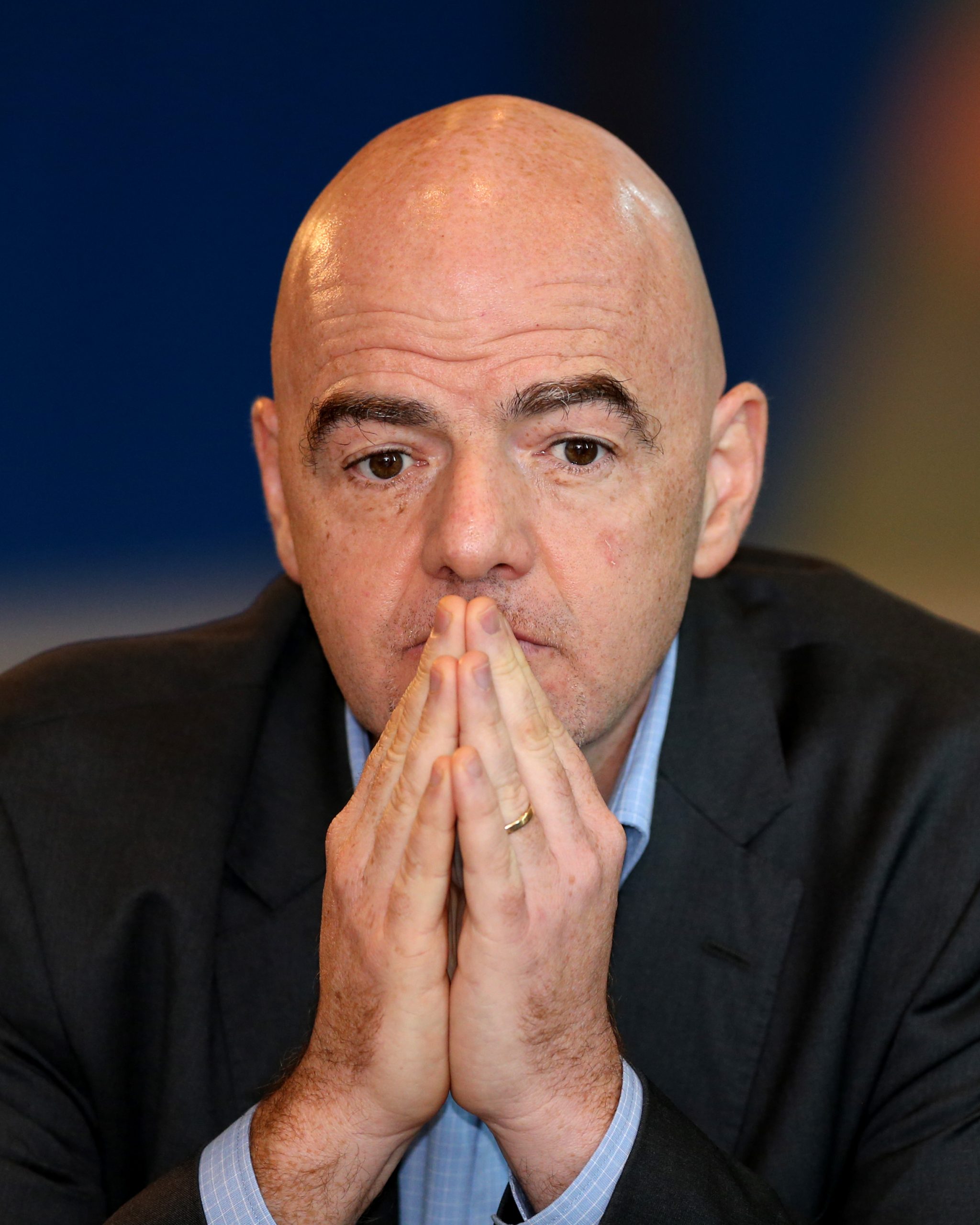
Wenger, the former Arsenal manager appointed by Infantino in 2019 as FIFA’s chief of global football development, said in a statement that “the decision to withdraw the project was absolutely necessary and beyond question,” according to AFP.
That matters because Wenger is not a routine critic from outside the FIFA ecosystem. He was brought into the organization during Infantino’s presidency and has been one of the most recognizable soccer figures attached to FIFA’s reform and development messaging.
Grafstrom’s reported email may be even more sensitive. As secretary-general, he is central to FIFA’s administration. AFP said the email appeared to distance him from Infantino over the investment proposal, while telling staff that “individuals, unstable moments and unfortunate episodes come and go” but the institution’s mission continues.
What the investment plan involved
The disputed idea centered on a new commercial subsidiary called FIFA Forward Enterprise, or FFE.
FIFA floated the proposal last Tuesday, saying it could raise up to $4.2 billion based on a $20 billion valuation for the new entity. The subsidiary would have been involved in running major FIFA events, including the World Cup and the Club World Cup, according to the AFP report.
For supporters, the pitch was easy to understand: soccer’s biggest events are enormous commercial properties, and outside investment could unlock more money for the global game. FIFA under Infantino has repeatedly argued that more revenue can mean more development funds for member associations.
The objection was just as clear. Critics saw the plan as an attempt to move control of FIFA’s crown-jewel competitions into a structure that raised major questions about transparency, governance and who would benefit from future revenues.
UEFA forced the climbdown
The plan collapsed quickly after UEFA pushed back with unusual force.
AFP reported that by Saturday, Infantino had abandoned the proposal after widespread condemnation. UEFA had raised the threat of boycotting FIFA competitions, including the World Cup, a step the report described as a “nuclear option.”
UEFA then escalated the dispute through lawyers in the United States. In a letter seen by AFP, attorney Andrew Levander told Infantino and FIFA that UEFA was actively considering legal action, arbitration or regulatory complaints connected to the FFE plan.
The letter also instructed FIFA to preserve documents and electronically stored information related to the matter. That kind of notice does not mean litigation is certain, but it signals that UEFA wants a paper trail protected while it weighs its next move.
Why Wenger’s words sting
Wenger’s statement was brief, but its timing and source made it powerful.
He did not merely say the idea needed more work. He said withdrawing it was “absolutely necessary and beyond question.” For a figure attached to FIFA’s football-development mission, that wording lands as a direct rejection of the project’s legitimacy.
Wenger also said he was not involved in the strategic plan and learned about it through the media, according to AFP. If accurate, that raises another uncomfortable question for FIFA: how many senior football figures inside the organization understood the proposal before it was presented?
The same tension runs through Grafstrom’s reported email. He praised staff for their work during what he called an “extraordinary and challenging week,” but the message also separated the institution from the episode. In FIFA politics, that distinction is rarely accidental.
The support map is shifting
Infantino is not without allies. AFP reported that support came from Morocco, one of the 2030 World Cup co-hosts, as well as Kuwait, Qatar and Lebanon. Qatar is also notable because Infantino has a house there, while Lebanon granted him honorary citizenship in February.
But the defections are the sharper signal. Several UEFA member associations, including Wales, Finland, Sweden and Serbia, have withdrawn letters of support for Infantino, according to AFP. The English Football Association was also reported to be strongly rumored to be close to joining them.
That matters because Infantino had been seen as having a smooth path toward re-election to a fourth and final term next March in Rabat. A FIFA president can withstand criticism from outside commentators. Losing public confidence among allies, administrators and national associations is a more dangerous problem.
There was another blow last Friday: Carlos Cordeiro, a special adviser to Infantino and a figure close to U.S. President Donald Trump, resigned, AFP reported. Kevin Lamour, FIFA’s chief operating officer, had also criticized the plan.
What remains unresolved
The immediate question is whether UEFA follows through with formal proceedings or uses the threat to force governance concessions from FIFA.
Another is whether Infantino can rebuild trust inside his own organization. Dropping the FFE plan ended the commercial proposal, but it did not answer who designed it, who approved it, how widely it was shared, and why senior figures now appear eager to distance themselves from it.
The episode also exposes a broader fault line in world soccer. FIFA wants to maximize revenue from global competitions and expand its commercial reach. UEFA and its member associations want protection from decisions they see as opaque or destabilizing. Both sides claim to be defending the game’s future.
For Infantino, the damaging part is that the fight has moved from a policy argument to a confidence test. Wenger’s statement, Grafstrom’s email and UEFA’s legal warning all point in the same direction: the abandoned investment plan is no longer the whole story. The story now is whether the FIFA president still has enough internal backing to move past it.
Leave a Reply