
Federal and state officials are tracing the outbreak to a specific lettuce supply chain while warning that the true number of illnesses may be higher than reported. The investigation also shows why Cyclospora cases can take weeks to sort out.
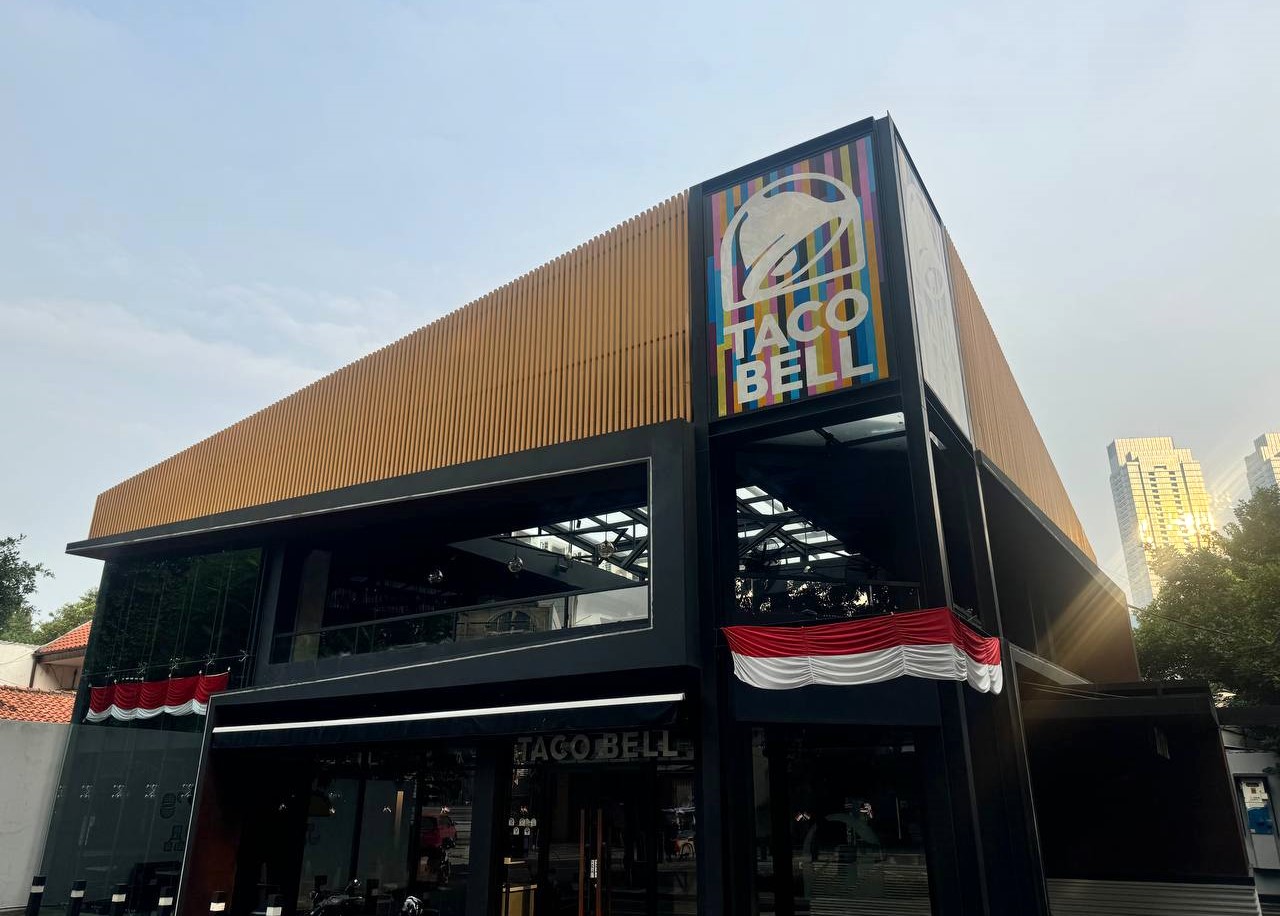
First deaths reported in the cyclosporiasis outbreak: Two people in Michigan died in connection with the cyclosporiasis outbreak, and Michigan health officials reported the first deaths Monday as the outbreak is being investigated as a multistate Cyclospora outbreak. The CDC, FDA and state health agencies say the July 2026 investigation centers on 5 states tied to Taco Bell exposure, while officials are also sorting through Cyclospora reports in 9 states to separate related and unrelated illnesses.
The deaths move the outbreak from a large foodborne investigation to a deadlier public health event. Federal investigators say shredded iceberg lettuce from Taylor Farms de Mexico served at some Taco Bell locations is the leading source under investigation, and the response now reaches from restaurant suppliers to border screening.
Michigan deaths raise the stakes
The CDC says it is aware of two cyclosporiasis-related deaths in people from Michigan who had underlying health conditions. That detail matters because Cyclospora infections are often discussed as miserable but usually treatable gastrointestinal illness, not as a headline-grabbing killer.
Still, public health officials tend to be careful with wording in outbreak updates. A death being connected with an outbreak does not always mean the infection was the only medical factor. In this case, the CDC specifically noted underlying health conditions, while Michigan health officials linked the deaths to the outbreak investigation.
The federal outbreak page has also reflected how fast these investigations can change. Earlier case summaries listed hospitalizations and no deaths; the latest reporting adds the two Michigan deaths. Counts can lag because health departments need lab confirmation, interviews and traceback work before cases are added to an outbreak.
Lettuce is the leading clue
The CDC says epidemiologic and traceback data point to shredded iceberg lettuce from Taylor Farms de Mexico served at some Taco Bell locations. The agency says that lettuce is contaminated with Cyclospora and is making people sick.
The warning is narrow but serious: CDC recommends that people not eat shredded iceberg lettuce from Taylor Farms de Mexico from Taco Bell locations in Indiana, Kentucky, Michigan, Ohio and West Virginia. Those are the 5 states at the center of this multistate investigation.
FDA traceback work has identified convergence on a single supplier, Taylor Farms de Mexico, for the shredded iceberg lettuce used by Taco Bell locations where sick people reported eating before they became ill. Not every Taco Bell location in those states received lettuce from the same supplier, which is one reason investigators avoid blanket claims until the supply chain is mapped.
Taylor Farms de Mexico indicated on July 17, 2026, that it would remove all iceberg lettuce sourced from central Mexico from the U.S. market. Taco Bell is working to stop use of lettuce implicated in the investigation, and FDA says it has increased screening at the border for products tied to the outbreak.
The numbers are still moving
Based on CDC epidemiologic data, 1,644 people infected with Cyclospora and reporting exposure to Taco Bell have been reported by the 5 outbreak states. Illnesses began from May 13, 2026, to July 13, 2026, and 94 hospitalizations have been reported in the federal summary.
Michigan has played a major role in the food-exposure analysis. The Michigan Department of Health and Human Services reviewed food details from 190 cases who reported eating at Taco Bell and shared those findings with CDC. Ingredient-level analysis found that 90% of those interviewed reported eating iceberg lettuce.
That kind of number does not prove everything by itself, but it is exactly the type of pattern outbreak investigators look for. When interviews, purchase records and supply-chain data point in the same direction, officials can move from suspicion to public action.
The CDC also warns that the true number of sick people is likely higher than the confirmed total. Some people recover without medical care, some are never tested for Cyclospora, and recent illnesses may take as long as six weeks to determine whether they belong to an outbreak.
Why Cyclospora is tricky
Cyclosporiasis is an intestinal illness caused by the parasite Cyclospora cayetanensis. People are typically infected by consuming food or water contaminated with the parasite, which is why fresh produce outbreaks can become complicated quickly.
Symptoms can include watery diarrhea, loss of appetite, weight loss, stomach cramps, bloating, gas, nausea and fatigue. Some people also report vomiting, body aches, headache, fever or other flu-like symptoms. Illness can last days to weeks and may relapse if untreated.
Unlike some stomach bugs, Cyclospora is not usually spread directly from one person to another. The parasite needs time outside the body to become infectious, which pushes investigators toward food, water and supply-chain questions rather than simple person-to-person transmission.
There is treatment for cyclosporiasis, but anyone with severe, persistent or recurring diarrhea should seek medical advice rather than trying to self-diagnose. That is especially important for older adults, people with weakened immune systems and those with underlying health conditions.
What remains unclear
FDA is still working to determine whether the implicated shredded iceberg lettuce went to other places beyond the Taco Bell locations already identified. That is a key unresolved question because produce distribution can cross state lines and involve multiple buyers.
There is also a separation problem. CDC says it is investigating other outbreaks and illnesses of cyclosporiasis nationally that are unrelated to this Taco Bell-linked outbreak. Broader reporting across 9 states does not automatically mean every case has the same source.
For consumers, the practical message is narrower than the national map: follow CDC’s specific warning about shredded iceberg lettuce from Taylor Farms de Mexico served at Taco Bell locations in the five named states. For regulators, the harder work is determining how contaminated lettuce entered the supply chain and whether any product remains in circulation.
The outbreak has already produced a large case count, dozens of hospitalizations and now two deaths in Michigan. The next updates will show whether the supplier actions and federal screening measures were enough to contain it, or whether investigators find additional paths for contaminated lettuce to have reached consumers.
Leave a Reply