The photo is back online, according to Reuters and the BBC. The harder issue now is whether the Justice Department can show a clear public trail for changes to the Epstein archive.
The Justice Department has given an official reason for temporarily removing an image from the Jeffrey Epstein files that included Donald Trump: officials said the review was tied to victim-protection concerns, according to the BBC. Reuters reported that the department restored the Trump photo to the public database on Sunday.
That answer addressed the image. It did not end criticism over the handling of the larger release, after the BBC reported that at least 13 files from thousands released had disappeared from the Justice Department website without explanation by Saturday.
The issue moved from one photo to the file trail
The central dispute is now less about what the Trump image proves than about how changes to a public archive are explained.
The BBC reported that Democrats on the House Oversight Committee questioned the removals and asked Attorney General Pam Bondi on social media, “What else is being covered up?” The Justice Department later said the Trump image had been removed temporarily for review, but the earlier disappearance of files had already drawn attention to the process.
For a release as politically sensitive as the Epstein records, even a temporary removal can create confusion if the public cannot immediately see what was taken down, why it was reviewed and whether it was changed before being reposted.
DOJ said the review was about victims
According to the BBC, the Justice Department said on X that the image of Trump was flagged by the Southern District of New York “for potential further action to protect victims.”
The department said it removed the image “out of an abundance of caution” for further review. After that review, the DOJ said it found no evidence that any Epstein victims were depicted in the photograph and reposted it without alteration or redaction, the BBC reported.
Deputy Attorney General Todd Blanche rejected criticism that the removal was connected to Trump appearing in the image. In comments reported by the BBC from NBC News, Blanche called that suggestion laughable and said the removal had nothing to do with President Trump.
The BBC also reported Blanche’s point that images of Trump and Epstein have been public for years, an argument he used to push back on claims that the department was trying to hide their past social connection.
What the image showed
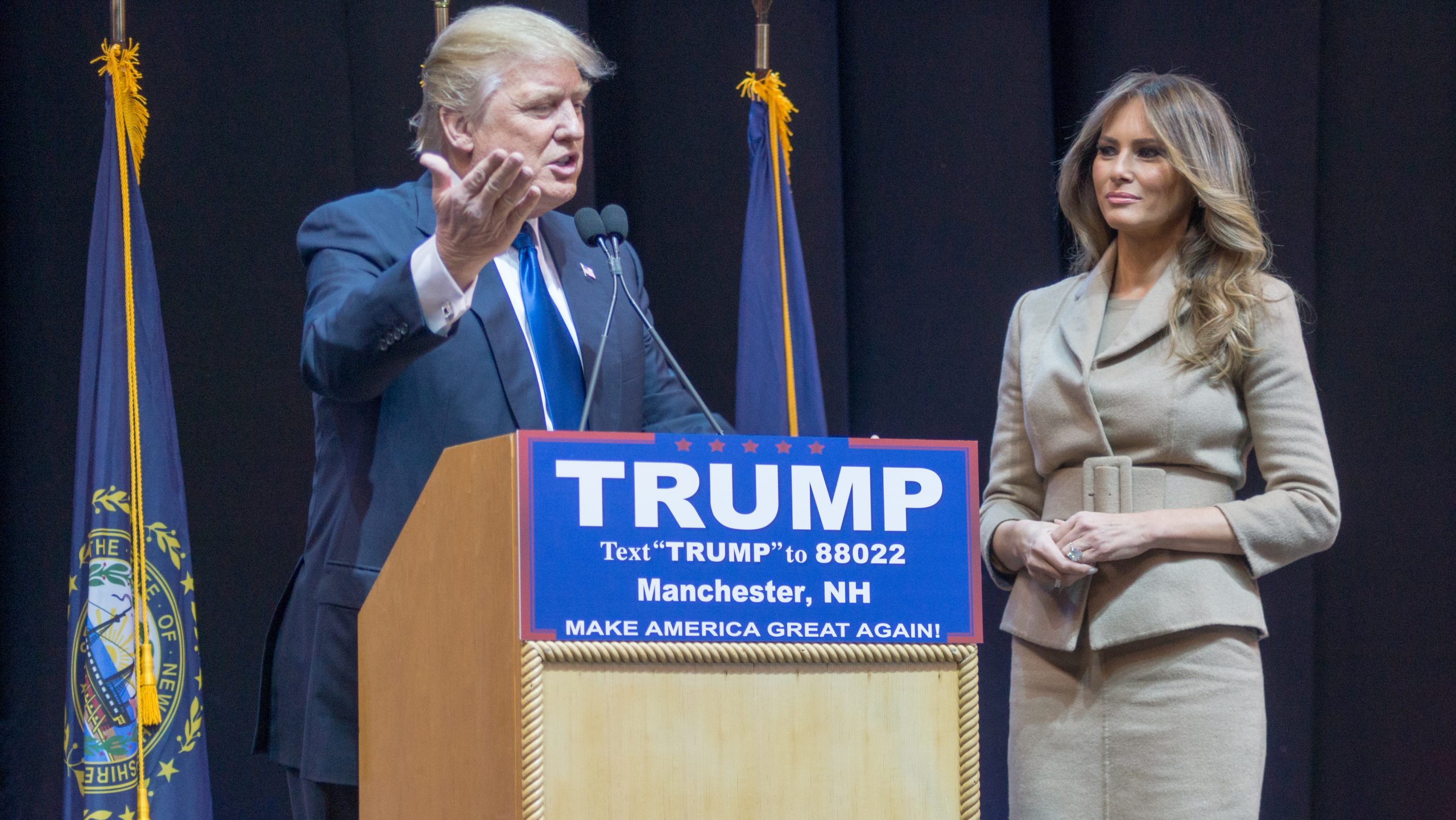
The image was not described as a standard portrait of Trump and Epstein. According to the BBC, it showed framed photos inside one of Epstein’s homes, including an open drawer containing a photo of Donald Trump with Jeffrey Epstein, Melania Trump and Ghislaine Maxwell.
The BBC noted an important limit: Trump has consistently denied wrongdoing related to Epstein and has not been accused of crimes by Epstein’s victims.
That distinction matters. The controversy over the image concerns the Justice Department’s handling of a public records release, not a new allegation of criminal conduct by Trump.
Privacy rules and public access are colliding
The Justice Department has said it redacted personally identifiable information about victims, material depicting child sexual abuse, material depicting physical abuse, records that could jeopardize an active federal investigation and classified material tied to national defense or foreign policy, according to the BBC.
Those categories show why officials may review material before or after publication. They also show why critics want a clearer record when files are removed from a public site.
The BBC reported that other removed files appeared to show the same room in Epstein’s home, including a small massage room with wall images where some faces were redacted inconsistently. In a case already marked by intense scrutiny, inconsistent redactions can make the mechanics of the release as contested as the documents themselves.
Congressional pressure has not gone away
The Trump image dispute unfolded as lawmakers were already pressing the Justice Department over the broader Epstein records release. According to the BBC, the department had faced criticism for not releasing all files by a Friday deadline required by law.
Representative Thomas Massie, a Kentucky Republican who supported releasing the files, criticized the Trump administration’s response. According to the BBC, Massie told CBS News that officials were flouting the spirit and the letter of the law and said he would not be satisfied until survivors were satisfied.
Democrats have raised cover-up concerns, while Massie’s criticism shows that frustration over the release process has not been limited to one party. The shared pressure point is the Justice Department’s control over what is posted, withheld, reviewed or redacted.
What remains unresolved
The narrow official answer is clear: according to the BBC, the Justice Department said the Trump image was reviewed for possible victim-protection concerns, found not to depict Epstein victims and was reposted without alteration or redaction.
The broader records question remains: when files in a public Epstein archive are removed or restored, will the Justice Department provide a clear public explanation at the time those changes happen?
That kind of trail would not require publishing protected victim information. It would require enough transparency for the public to understand when a file changed status, what general concern prompted review and whether the restored version differs from what was first released.
Leave a Reply