
Supporters see a bold answer to New York’s cost-of-living crisis. Critics say the numbers, timelines and compromises will determine whether the agenda was realistic or oversold.
Zohran Mamdani’s socialist affordability promises are under scrutiny in New York City after he won election Tuesday as the city’s next mayor and became its 112th mayor on Jan. 1, 2026. Critics say the promises may be easier to sell than to deliver, and the article explains the governing trade-offs and hard math behind his agenda.
The test now is City Hall itself: whether Mamdani can turn socialism-inflected campaign language into budgets, land-use decisions and enforceable policy in one of the country’s most expensive and politically complex cities.
The promise now has a price tag
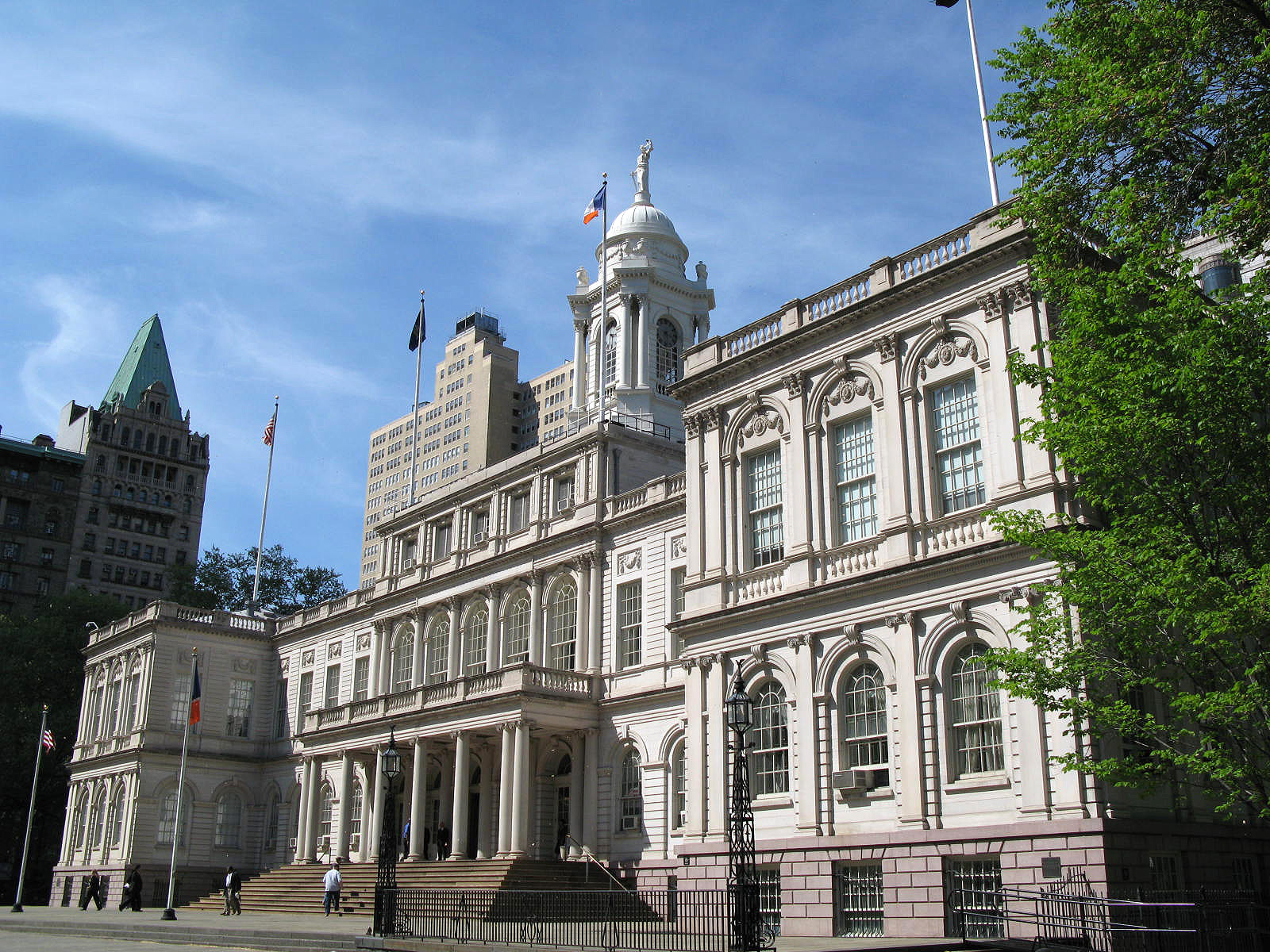
Mamdani’s rise was built around a direct affordability message: New York City could do more for working people if government acted more aggressively. That pitch helped carry him from the New York State Assembly to Gracie Mansion, where NYC.gov now identifies him as mayor after representing the 36th Assembly District, including Astoria, Ditmars-Steinway and Astoria Heights.
But the move from insurgent campaigner to executive changes the standard. A campaign can compress a problem into a slogan. A mayor has to decide who benefits first, which projects wait, what revenue is available and which agencies can actually deliver.
That is why the current argument is not only about Mamdani’s use of socialist language. It is about whether a sweeping affordability platform can survive the constraints of procurement rules, union contracts, debt limits, state law, neighborhood resistance and the slow pace of housing production.
Why the criticism has bite
A Washington Examiner commentary framed the dispute as a warning about the perils of socialism’s promises. The sharpest version of the critique is the “bait-and-switch” charge: voters are offered broad public benefits during a campaign, then encounter narrower eligibility, higher costs, slower timelines or complicated exceptions once governing begins.
In Mamdani’s case, opponents are using that phrase more broadly as an indictment of affordability politics that puts the moral case up front while leaving the limits less visible. Cheaper housing, stronger tenant protections, higher wages and more public investment are popular goals. The governing version often comes with taxes, phased rollouts, administrative discretion and compromises.
Supporters reject the framing. They argue that phasing, negotiation and adjustment are not evidence of deception; they are how serious public programs are built. From that view, the real false promise is that New York’s affordability crisis can be solved through small tweaks while rents, housing shortages and everyday costs continue to push residents out.
Both sides are arguing over more than one mayor. They are arguing over what counts as honesty in politics: the clean promise that mobilizes voters, or the messy plan that can actually be funded and enforced.
Housing is the first proving ground
The clearest measure of Mamdani’s governing model is housing. In May 2026, the mayor’s office announced Block by Block: The Housing Plan for a New Era, describing it as a broad affordability blueprint for New York City.
According to NYC.gov, the plan sets a path to build 200,000 new affordable homes and preserve another 200,000 over the next decade. The administration said it would support the effort with a $22 billion capital investment in housing over five years, along with land-use changes, financing tools, tenant protections and public housing investments.
Those figures give Mamdani’s agenda scale, which is why they also create political risk. Building and preserving 400,000 affordable homes over a decade would require sustained funding, land-use approvals, agency capacity, construction labor, neighborhood buy-in and market conditions that do not always follow political schedules.
The plan also includes labor commitments. According to the city release, construction workers on city-financed projects would receive a $40-per-hour minimum wage and benefit standard. That fits Mamdani’s worker-centered argument, but it also sharpens a central tension: higher labor standards can advance equity while also raising costs for projects the city is trying to stretch across more households.
The socialism fight goes national
New York City is not just another municipal test case. Because of its size, cost and national visibility, the city turns local fights over rents, wages and public investment into a broader argument about progressive urban governance.
The New York Times has described Mamdani in the context of the rise of American socialism, noting that he invoked Eugene Debs in a victory speech. That symbolism matters because it places practical city decisions inside a much older debate over capitalism, democracy and the role of government.
For critics, Mamdani offers a useful test: if socialist promises struggle in a city with deep needs, high costs and layers of regulation, they can argue the model itself is unrealistic. Delays, cost increases or smaller-than-advertised outcomes would become evidence that the campaign pitch was misleading.
For supporters, New York’s difficulty is exactly why ambition is necessary. They argue that market-driven approaches have not kept the city affordable for many renters and workers, and that public investment at scale is the only plausible response to a crisis built over decades.
The operational questions matter most
The argument may be ideological, but the verdict will be operational. Can the city finance its housing targets without squeezing other priorities? Will land-use changes survive neighborhood and political opposition? Can agencies inspect, approve and build fast enough to match the timetable?
There are also trade-offs inside the affordability promise itself. Wage and benefit standards may improve fairness for construction workers, but the city must still show that projects can be delivered at costs that keep the housing goals credible. Tenant protections may be politically popular, but implementation has to be clear enough to avoid confusion and uneven enforcement.
A delayed program is not automatically a broken promise. A revised program is not automatically a bait-and-switch. But when a campaign sells transformation, every caveat in office gives critics an opening to say voters were not shown the full bill.
Mamdani’s defenders can fairly note that this problem is not unique to socialism. Tax cuts, policing plans, housing reforms and business incentives also tend to look simpler during campaigns than they do inside government. The difference is that Mamdani’s platform is tied to a larger critique of the economic system, so each compromise becomes part of a bigger ideological trial.
Delivery will decide the label
The Washington Examiner critique resonates because many voters already suspect politicians promise more than government can deliver. Mamdani’s challenge is to show that his affordability agenda is not only a moral argument, but an administrative one.
That means timelines, funding sources, trade-offs and measurable results. It also means being clearer about limits. If the promise is to make New York more affordable, residents will want to know for whom, by when and at what cost.
The clean takeaway is that Mamdani has turned New York City into a high-profile test of socialist-inflected urban policy. Critics will treat compromises as proof that the promises were oversold. Supporters will treat the same compromises as the normal cost of trying to change a city at scale.
For New Yorkers, the label matters less than the outcome. If the city produces housing, protects tenants and keeps the numbers credible, Mamdani’s promises may look ambitious rather than deceptive. If the agenda shrinks while the rhetoric stays sweeping, the bait-and-switch charge will be much harder to shake.
Leave a Reply