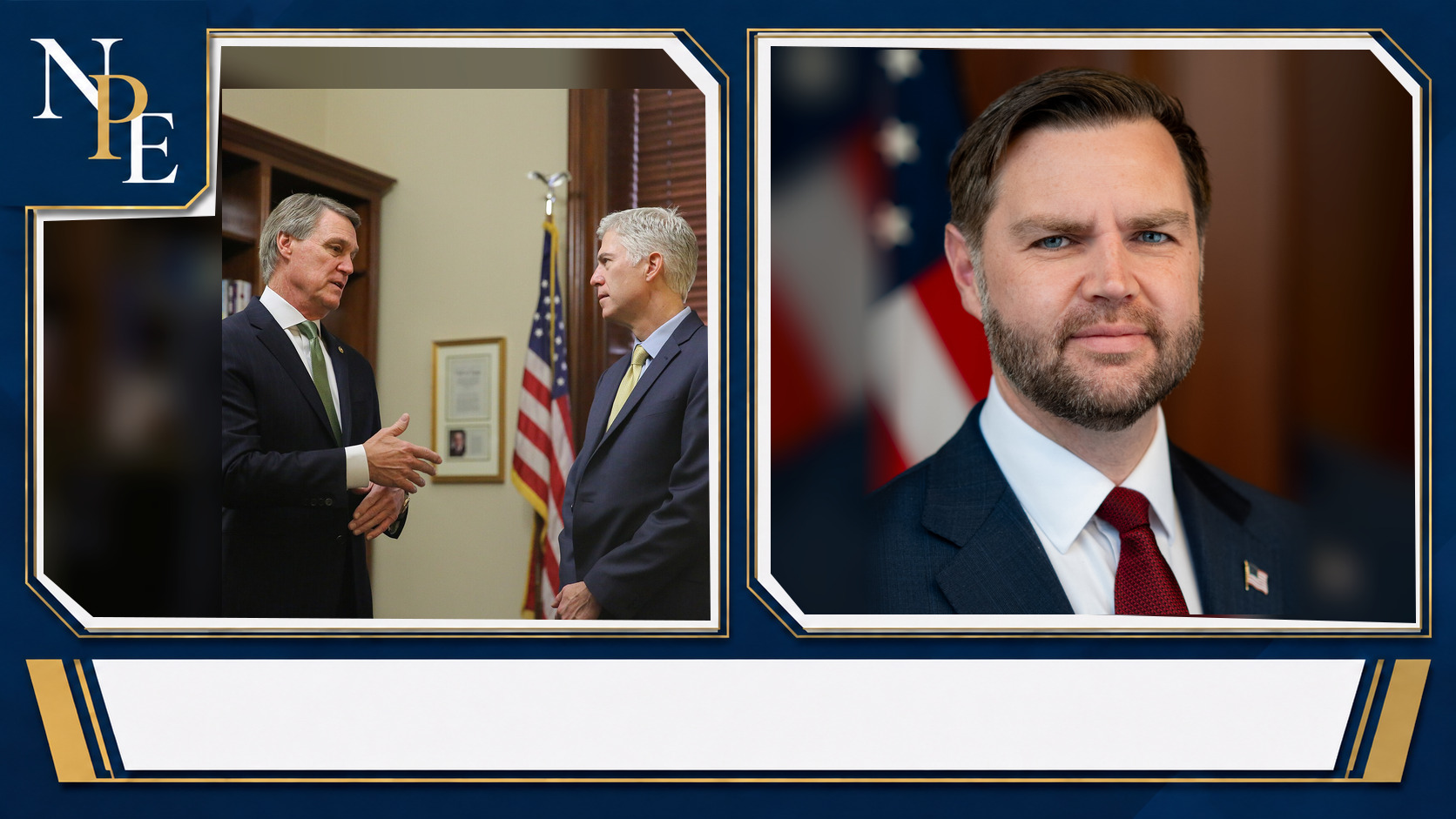
In a PBS interview, Justice Neil Gorsuch framed religious liberty and equal citizenship as limits on defining the United States through any single faith.
Justice Neil Gorsuch’s recent comments do not resolve a Supreme Court case or indicate how the court will act in future disputes involving religion and public life. But the interview put a constitutional framework alongside Vice President J.D. Vance’s political and cultural argument that Christianity has supplied America’s shared moral language.
Speaking with PBS host Margaret Hoover on Firing Line, Gorsuch said the country was not meant to be organized around one race or one religion. His response centered on religious pluralism, freedom of speech and equal treatment under law.
An interview, not a court ruling
The Firing Line episode was published Friday and reported by The Hill. Gorsuch was speaking in an interview rather than issuing a judicial opinion, so his remarks do not decide a pending case.
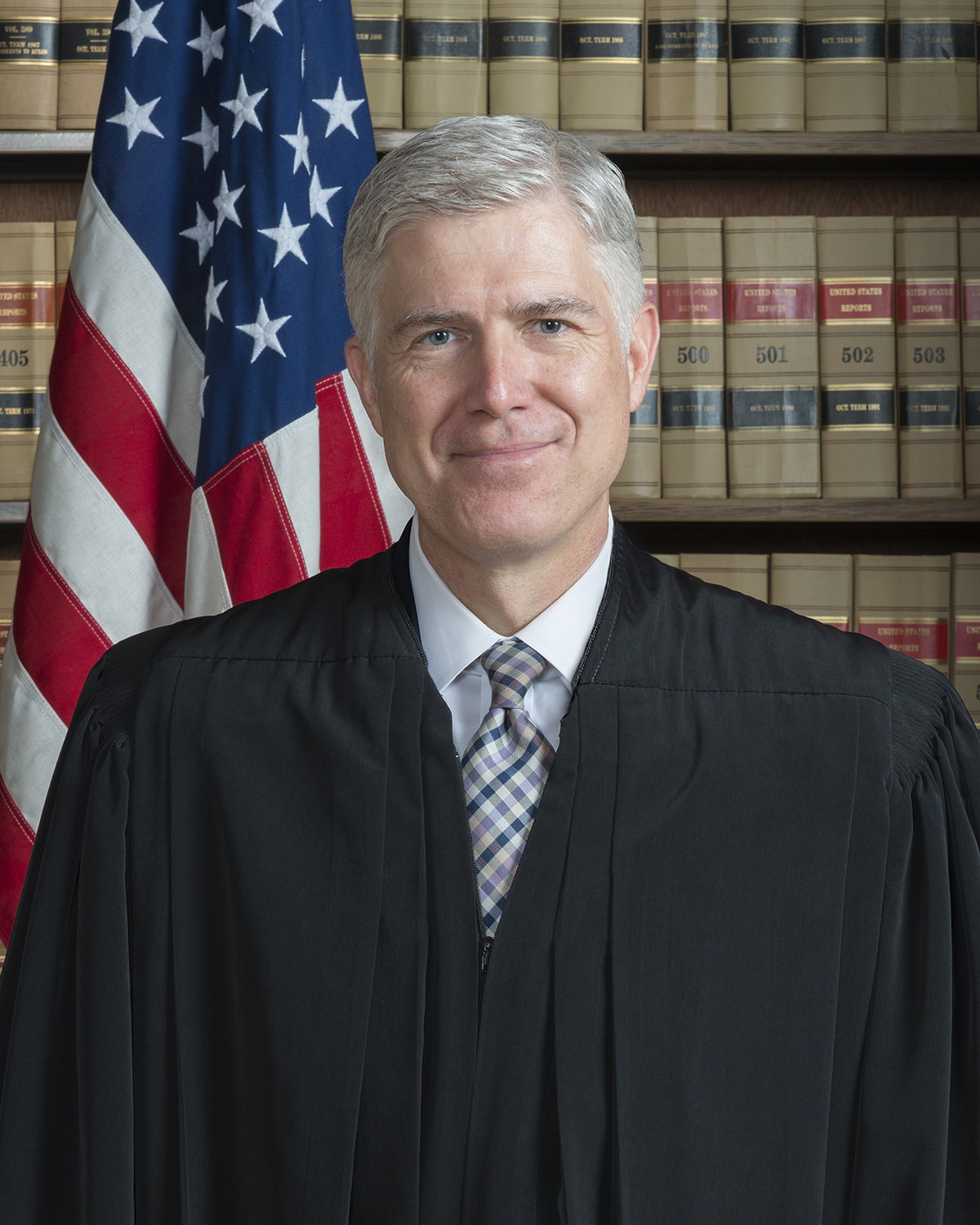
It also remains unclear whether Vance will respond directly to Gorsuch’s framing. The two men are operating in different arenas: Vance has made a case to voters about history, culture and national identity, while Gorsuch described what he sees as a constitutional baseline.
Their disagreement arrives as questions involving schools, religious expression, public funding, LGBTQ rights, abortion and national identity continue to move through elections and courts.
Vance’s argument centers on Christian heritage
At Turning Point USA’s AmericaFest in December, Vance said he was not arguing that a person must be Christian to be American. Vance, who converted to Catholicism in 2019, instead described Christianity as a central source of the country’s moral vocabulary.
“I’m not saying you have to be a Christian to be an American,” Vance said, according to The Hill. “I’m saying something simpler and truer: Christianity is America’s creed, the shared moral language from the Revolution to the Civil War and beyond.”
Vance described Christianity as shaping American ideas about rights, duty, conscience and protecting the weak. He also called religious liberty a “Christian concept,” linking it to the belief that people are creatures of God who must be free to follow their own path to God.
His position is cultural and historical: Christian thought, in his view, supplied much of the language Americans have used to discuss morality and rights. Supporters of that formulation may see it as recognition of religious traditions that shaped ideas of liberty and moral responsibility.
Gorsuch emphasized pluralism and equal rights
Gorsuch offered a different account of the country’s founding, describing many colonies as places associated with religious pluralism and the opportunity to practice one’s faith “in your own way.”
“We have a First Amendment for crying out loud,” Gorsuch said. He added that the country was “never supposed to be a nation that was about one race or one religion.”
Instead, Gorsuch pointed to life, liberty and the pursuit of happiness as ideals that “speak to every human heart.” He also stated: “No established religion, everybody has a freedom of religion, everybody has the freedom of speech, we are all equal under law.”
Under that view, Christianity may have played a profound role in American history, but that history cannot permit the government to define the country through one religion or make a shared theology a test of national belonging.
The First Amendment distinction
The constitutional divide between the two positions turns on the difference between religious influence and religious establishment. The establishment clause bars the government from creating an official religion, while the free exercise clause protects religious practice.
Those protections allow Christians to practice their faith without state interference while also preventing Jews, Muslims, Hindus, atheists and others from being treated as lesser citizens because the government favors another creed.
Gorsuch did not describe early American history as religiously uniform. According to The Hill, he referred to Charles Carroll, the Catholic signer of the Declaration of Independence, along with people from other Christian traditions. He also mentioned Amish and Quaker communities in the colonies.
Christianity shaped many colonial communities, abolitionist movements, civil rights rhetoric and American ideas about conscience. Churches were major civic institutions before modern political parties, and many Founding-era figures used explicitly religious language. Gorsuch’s point was that such influence differs from an official national faith.
A notable contrast within the right
The exchange drew added attention because Donald Trump nominated Gorsuch to the Supreme Court, according to National Archives records from Trump’s presidency. Gorsuch’s confirmation remains one of Trump’s most consequential judicial appointments for many conservatives.
That history does not make Gorsuch a political actor in the same way Vance is, and Supreme Court justices often resist being treated as extensions of the presidents who appointed them. Still, the contrast is notable: a justice appointed by Trump gave a constitutional answer to a theme associated with the religious-nationalist wing of the right.
Gorsuch has written and joined major conservative legal opinions while also showing a textualist and libertarian-minded interest in civil liberties, including religious liberty and free speech. In this instance, he emphasized a principle meant to protect believers and nonbelievers alike: the state does not select a church, and citizens do not need a common theology to share constitutional rights.
Critics of Vance’s wording may hear a hierarchy in which Christians hold the primary place and other Americans have a more conditional form of belonging. Gorsuch located national unity instead in equal legal status, free speech, religious liberty and the refusal to establish an official religion. His argument was not that faith should disappear from public discussion, but that no faith tradition can claim constitutional ownership of the country.
Leave a Reply