
The dispute is not yet proof that mail-voting rules have changed nationwide. But its outcome could determine whether federal conditions alter how states and voters use the mail for ballots.
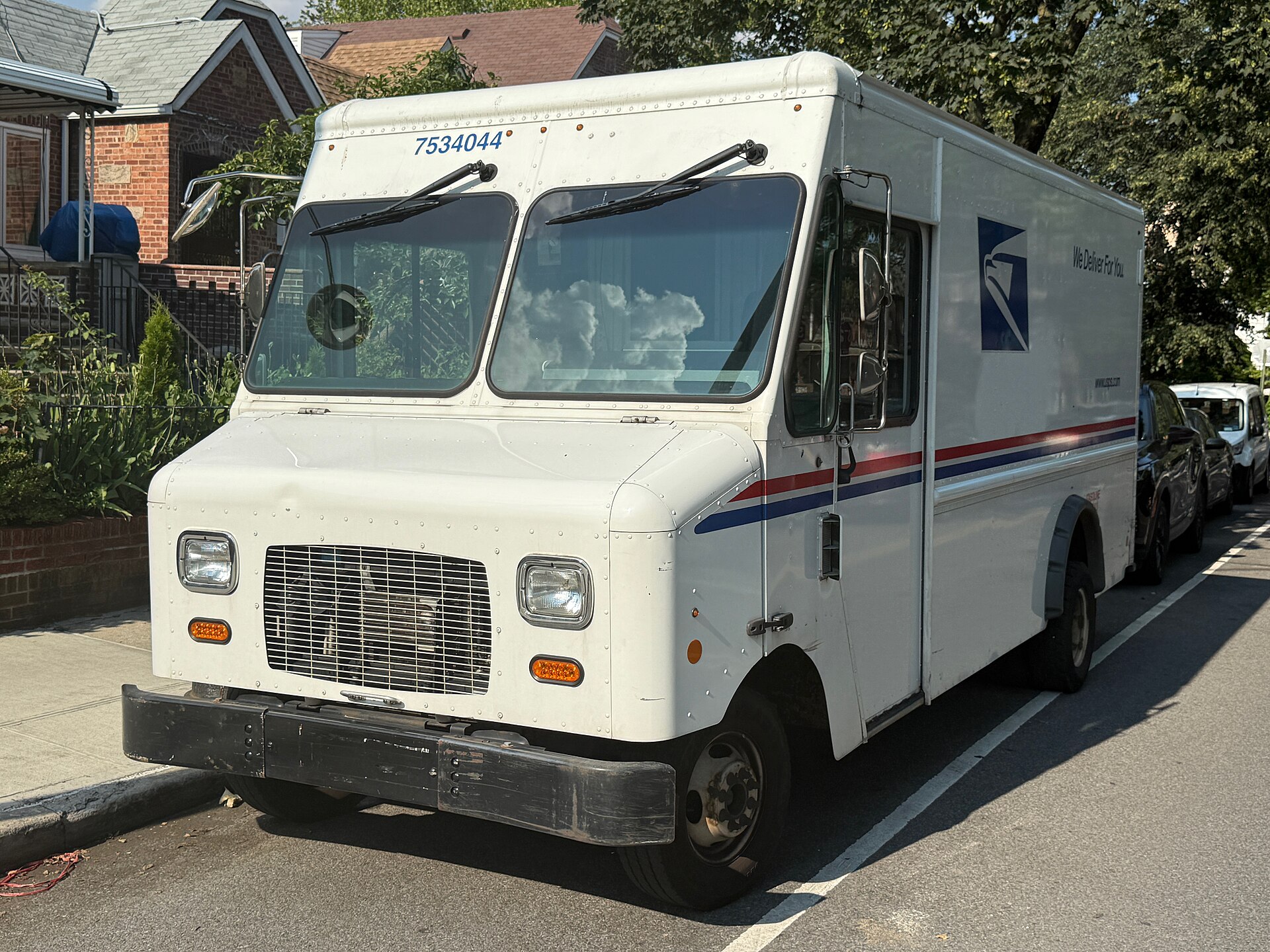
The United States Postal Service faces an emergency court challenge over language saying it “shall not transmit” certain mail-in or absentee ballots unless states meet a condition. The filing also alleges that the Trump administration flouted a court order tied to that USPS ballot-transmission rule, an allegation that has not been established by a final ruling in the materials available.
The fight matters because states rely on USPS to move ballot applications, completed ballots and other election mail. Yet the currently available information leaves major questions unanswered, including the condition states would need to meet and whether any ballot process has actually changed.
The phrase at the center
A Supreme Court document dated Aug. 24 and titled Trump v. California includes language that USPS “shall not transmit mail-in or absentee ballots from any individual” voter unless a state has met a condition.
The publicly available excerpt does not include the rest of that condition. That missing detail makes it impossible to tell from the excerpt alone which ballots could be covered, what a state would have to do, when any requirement would take effect or whether a court has halted any portion of it.
Still, the wording is consequential. It describes a possible limit on the Postal Service’s handling of ballots rather than advice to states about how to structure their own voting rules.
An emergency motion raises stakes
The emergency motion challenges the USPS policy affecting mailed ballots and contends that the Trump administration ignored an existing court order. At this stage, that is an assertion from the party requesting relief, not a judicial finding.
The available description does not identify the filer, the court that issued the earlier order or the precise remedy being sought. Those gaps matter because a request to pause a rule is different from a request to enforce an injunction or find officials in violation of an order.
Emergency motions generally seek quick court action before a case follows its ordinary schedule. The government and USPS would have an opportunity to respond, and a judge would need to assess the earlier order, the new requirement, the government’s actions and the harm alleged by the challengers.
States run elections, USPS moves ballots
The dispute puts two parts of the election system in direct view. States generally decide who can vote absentee, how voters request and return ballots, and the deadlines that apply. USPS is the nationwide delivery network used by voters and election offices to send and receive election mail.
That division means a federal postal restriction could have effects beyond the agency itself. State election offices, ballot vendors, postal workers and voters could all need clarity on whether ballots can be accepted for mailing and under what circumstances.
The legal question is not resolved by the policy debate surrounding mail voting. The central issues are whether USPS has authority to impose this particular condition and whether the condition conflicts with a prior court directive.
Security arguments meet access concerns
The Trump administration has framed election-related federal actions around citizenship verification and election integrity. A White House executive order issued in March directs agencies to use available records to support citizenship-related election processes and argues for additional safeguards involving ballots sent through the mail.
Supporters of stricter federal requirements may view standardized controls as a way to verify eligibility and reinforce confidence in elections. Critics are likely to argue that a restriction on postal transmission could intrude on state election systems, create administrative complications or burden eligible voters who depend on mail voting.
Neither position settles the case by itself. A court will have to evaluate the specific policy language and the claimed conflict with the earlier order rather than the broader arguments for or against mail voting.
Timing can change the practical impact
Election mail operates on deadlines. A ballot may be valid only if it arrives at the correct election office by the deadline set under state law, and those deadlines vary across the country.
Even a short period of uncertainty can affect election preparations. Local officials may need to revise voter instructions, adjust mailing schedules or answer questions about requests, returns and ballot tracking.
A Federal Register notice concerning a Postal Service final rule reflects how divided public views can be on ballot delivery. Comments included arguments that ballots should arrive by Election Day, calls to discontinue mail voting and other competing positions. Those comments do not establish the allegation in the emergency motion, but they illustrate why a postal procedure can quickly become a broader election-policy dispute.
The documents that could clarify it
The next key records would be the full emergency motion, a response from the government or USPS, and any court order. They could identify the states or voters involved, explain the omitted condition in the USPS language and show what relief is being requested.
It also remains unclear whether a ruling would have nationwide consequences, apply only in a particular state or target a narrower question about implementation. Election litigation often turns on jurisdiction, timing and the specific parties before the court.
For now, the case is best understood as an urgent challenge to possible federal conditions on mailed ballots, not evidence that the nation’s mail-voting system has already been altered. Voters seeking current instructions should rely on their state or county election office for request deadlines, return options, tracking tools and confirmation that a ballot has been received.
Leave a Reply