
The divide between the president and a senior health official lands as families confront confusing vaccine rhetoric and a growing measles threat. Here is what the reported evidence, vaccine schedule and unresolved policy questions show.
Donald Trump and Dr. Mehmet Oz offered conflicting messages about the MMR vaccine as measles cases are resurging while U.S. vaccination coverage continues to slip. On Aug. 23, Oz, who leads the Centers for Medicare and Medicaid Services, said the combined measles, mumps and rubella vaccine is “not a lethal vaccine,” a position that contrasted with unproven vaccine claims Trump made earlier in August.
The split over MMR matters beyond an administration dispute. Doctors and public-health experts say mixed messages can make it harder for families to judge a vaccine that remains the established protection against measles, mumps and rubella, especially as measles transmission again becomes a national concern.
Oz breaks with Trump
Oz made his remarks during an Aug. 23 appearance on Face the Nation, according to USA Today. The comments followed Trump’s vaccine assertions while signing an executive order earlier in August.
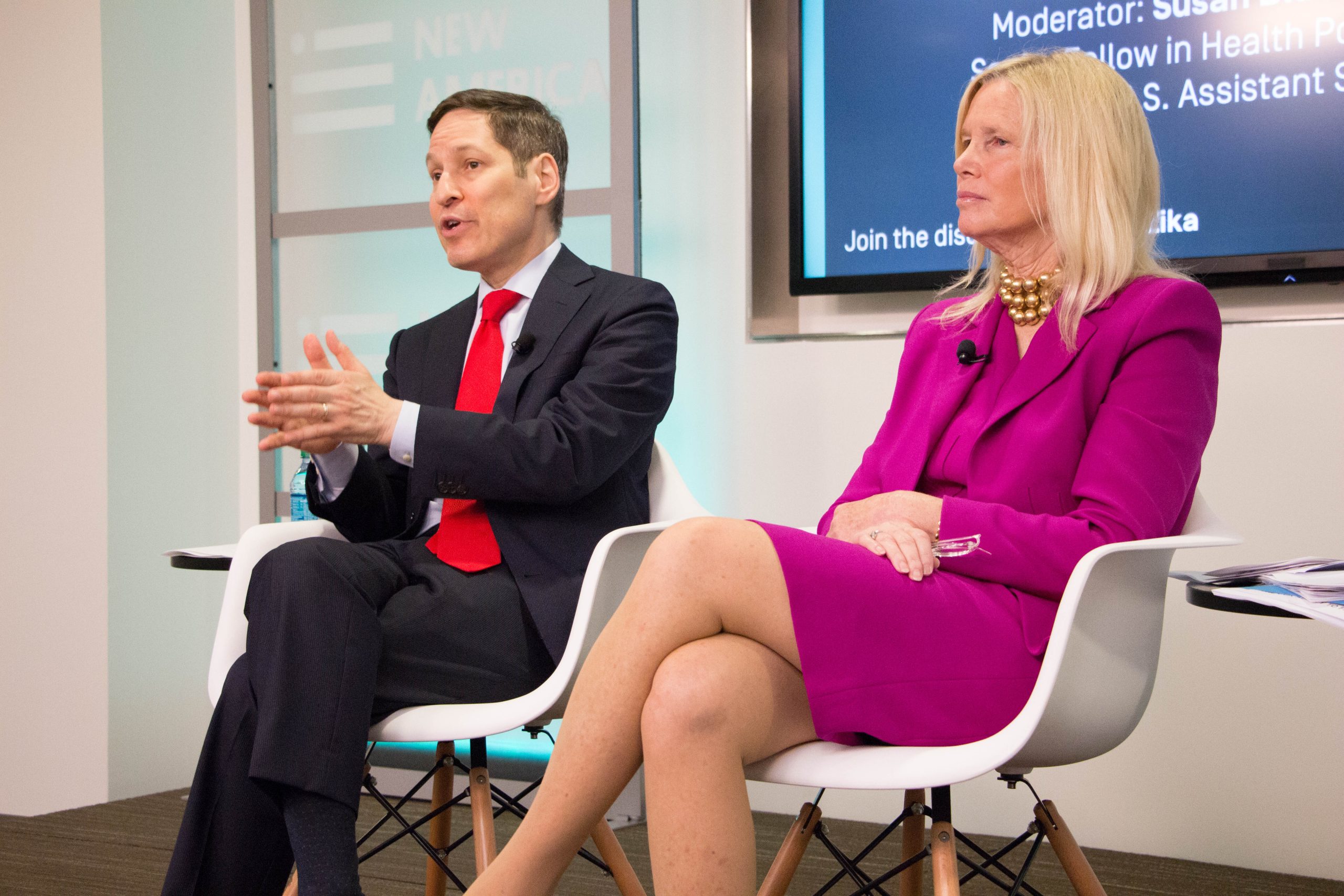
The contrast carries extra weight because Oz is not merely a television commentator or outside critic. As administrator of the Centers for Medicare and Medicaid Services, he is a senior official in Trump’s administration with an influential role in federal health policy.
That role does have limits. CMS does not set the country’s vaccine recommendations. Still, conflicting statements from the president and a senior health official can leave people unsure whether an official change in policy or guidance is coming.
No formal MMR policy change, revised federal recommendation or unified administration position was established in the reported exchange. The immediate reality is a public disagreement over the safety message attached to a routine childhood vaccine.
Why measles makes this urgent
The argument is unfolding during the United States’ worst measles resurgence in more than three decades, a pattern experts largely attribute to under-vaccination. USA Today reported that the country is at risk of losing its measles elimination status.
Measles is especially contagious, making pockets of low vaccination coverage significant even when statewide or national percentages appear high. Dr. Julia Rosebush, a pediatric infectious-diseases specialist at the University of Chicago, said at an Aug. 21 briefing organized by the Infectious Diseases Society of America that one unvaccinated child in a school with other unvaccinated students can spark an outbreak reaching dozens of families within days.
Before the measles vaccine arrived in 1963, an estimated 3 million to 4 million people in the United States got the disease each year, according to the USA Today report. It was linked to roughly 500 deaths and 48,000 hospitalizations annually.
The current MMR formulation has been available since 1971. Experts cited in the report said it has been administered to millions of children over decades and has helped prevent severe outcomes from all three diseases it targets.
Coverage losses create local gaps
CDC data cited by USA Today showed kindergarten vaccination coverage declined by 0.1 percentage point in the 2025-2026 school year. MMR coverage stood at 92.4%.
Coverage for MMR, polio, DTaP and varicella fell in more than half of states compared with the prior year. The nationwide figure does not show every community’s level of protection, which is one reason public-health officials focus on uneven local coverage.
John Grabenstein, a pharmacist who previously directed Department of Defense vaccine programs, described the pattern as “a long trend in the wrong direction.” He warned that measles cases could keep increasing if it continues.
That is the practical tension behind the Trump-Oz split. Families skeptical of vaccination may take competing political statements as evidence that the medical evidence is unsettled, while medical groups argue that the evidence on the current MMR vaccine is much clearer than the rhetoric suggests.
What current MMR guidance says
The U.S. Centers for Disease Control and Prevention guidance cited in the report, last updated in March, calls for two routine MMR doses for children: the first at 12 through 15 months and the second at 4 through 6 years.
The CDC says two doses are 97% effective at preventing measles. Medical experts have characterized the MMR vaccine as safe and effective while recognizing that, like any medical product, it can cause side effects. USA Today reported that serious side effects, including seizures, are rare.
Experts quoted in the report said the current MMR vaccine is not lethal, and that research does not support claims that children receive health benefits from splitting its immunizations apart. That distinction is central because political arguments about vaccines can make the established medical recommendation sound more contested than the available evidence indicates.
Individual circumstances can still matter. People with questions about prior vaccination, immune conditions, pregnancy, allergies or a child’s medical history should consult a qualified clinician rather than relying on political statements or short social-media clips.
Separate shots are not available
One thread of the debate concerns giving protection against measles, mumps and rubella through separate injections instead of the combined MMR shot. But the relevant individual vaccines are not currently licensed in the United States, USA Today reported.
That means separate doses are not simply an alternative parents can select at a routine appointment. Experts told the outlet it could take years for individual products to become available, if they become available at all, and three separate vaccinations could substantially lengthen the process of getting protection.
For now, the combined MMR vaccine is the established option for routine protection. Senior Department of Health and Human Services officials had previously told reporters that insurers would continue to cover immunization costs, according to USA Today.
The remaining test is clarity
Dr. Jeanne Marrazzo, chief executive of the Infectious Diseases Society of America, said changes in federal guidance and the recent executive order had muddied the waters for families looking for reliable vaccine information. She identified the American Academy of Pediatrics, American College of Physicians and American Academy of Family Physicians among organizations committed to evidence-based recommendations.
The unresolved issue is whether Trump administration officials will offer a consistent public message on MMR vaccination. Until then, the CDC’s existing schedule and advice tailored by a patient’s own health professional remain the clearest practical reference points reported for families deciding how to stay up to date.
Leave a Reply