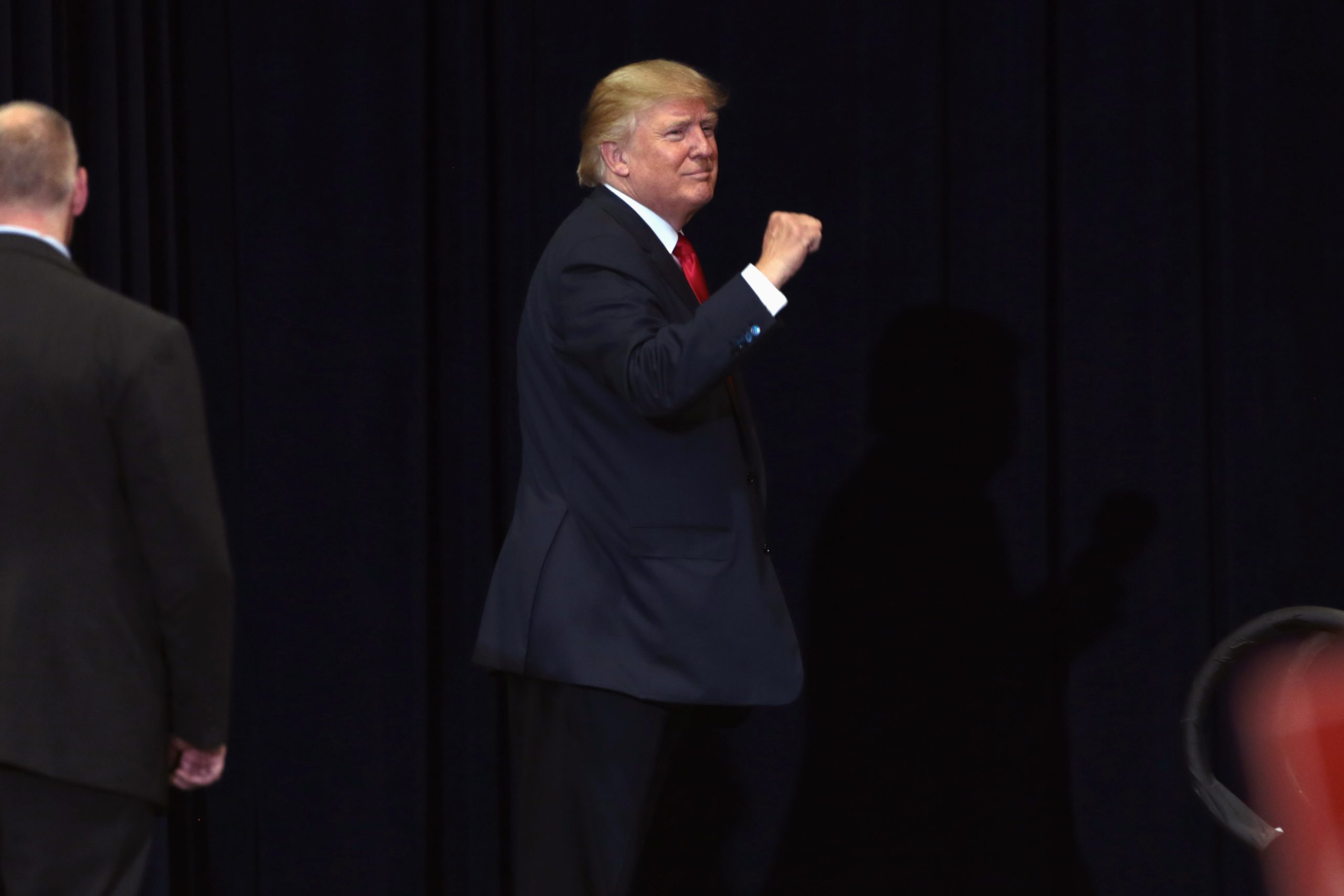
The insult grabbed attention, but the deeper fight is over Ukraine, U.S. leverage and Trump’s demand that Zelensky accept his peace-first approach.
Donald Trump was criticized and called a clown over a remark about Volodymyr Zelensky after Friday’s White House blowup, with critics seizing on comments they described as an idiotic remark in the escalating Trump-Zelensky dispute. The backlash, flagged by The Mirror US under the phrase “Donald Trump branded” a clown, centered on Trump telling Ukraine’s president to “come back when you’re ready for peace” after talks collapsed.
BBC reporters at the White House said Zelensky had been expected to sign a minerals deal and appear at a news conference. Instead, he left early, the deal went unsigned and Trump’s allies defended the confrontation as overdue pressure on Kyiv.
The remark that triggered ridicule
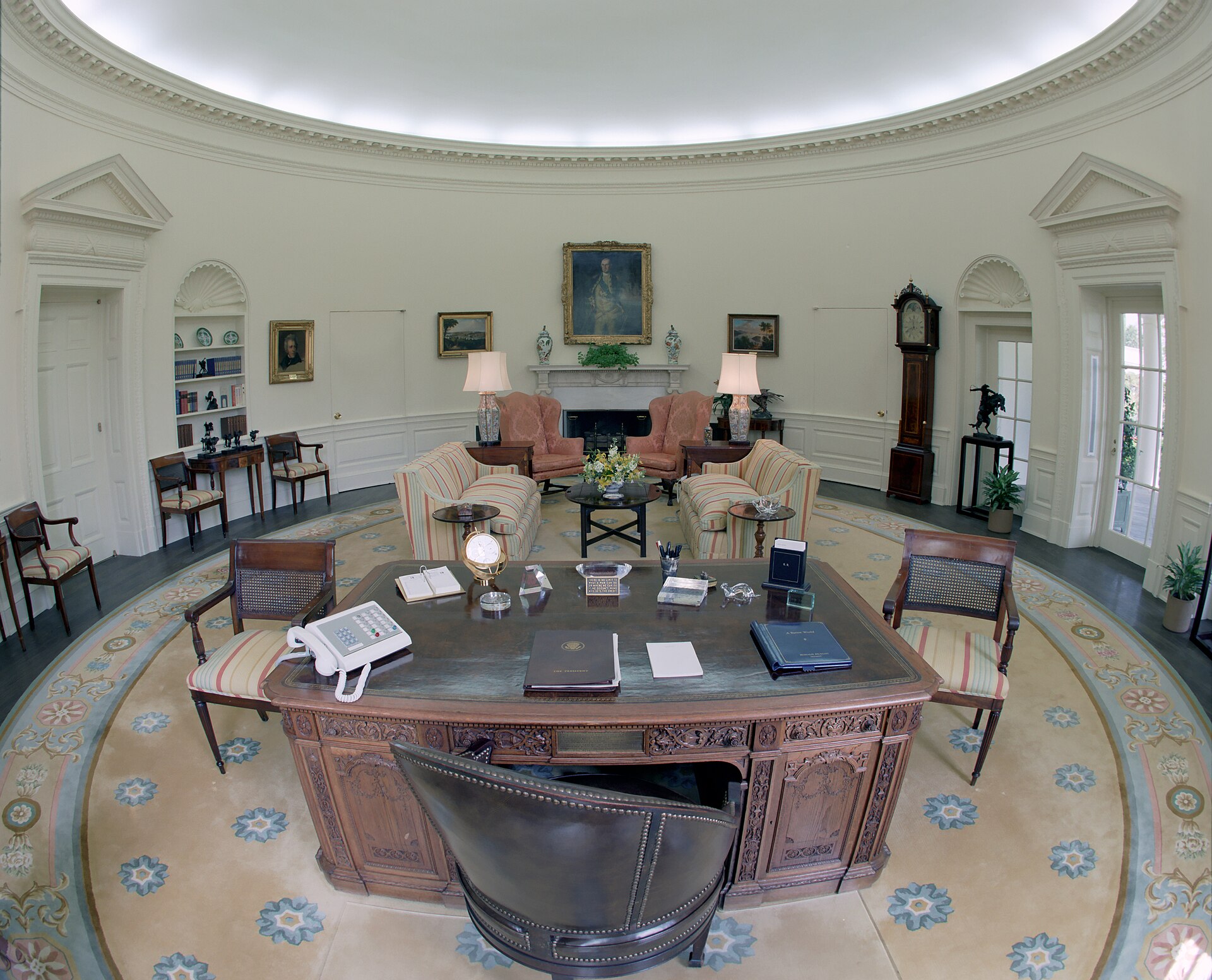
The comment that drew the most attention came after an Oval Office confrontation involving Trump, Zelensky and Vice President JD Vance. Shortly before Zelensky’s car left the White House, Trump posted that the Ukrainian leader should “come back when you’re ready for peace,” according to the BBC.
For Trump’s critics, that line sounded less like diplomacy and more like public humiliation of a wartime ally. That is why the “Trump branded clown” reaction traveled quickly: it turned a complicated foreign-policy dispute into a blunt judgment on Trump’s performance.
But the argument was not only about tone. It was about whether Zelensky was being pressured to accept a ceasefire path shaped by Washington’s new approach to Moscow, and whether Ukraine was being blamed for resisting terms it fears could reward Russian aggression.
How the White House meeting unraveled
The meeting began with the expectation of a practical outcome. Zelensky was at the White House for talks that were supposed to end with the signing of a minerals deal, which had been presented as a way to give the U.S. a stake in Ukraine’s future.
That did not happen. The BBC reported that Zelensky was told to leave early before a scheduled news conference, and the minerals deal was left unsigned.
The tension sharpened when Vance argued that the path to peace involved diplomacy. Zelensky pushed back by pointing to Russia’s actions before and after the full-scale invasion, including failed ceasefire efforts. Vance accused him of being disrespectful and of arguing his case in front of the American press.
Trump then escalated the exchange. He told Zelensky, “Your country’s in big trouble,” and, “You’re not winning this,” while emphasizing U.S. support for Ukraine and saying the country had a chance because of American backing.
Why Zelensky pushed back
Zelensky’s position is shaped by three years of full-scale war and a much longer conflict with Russia. His government has repeatedly warned that a ceasefire without strong guarantees could give Russia time to regroup and attack again.
That is why his Oval Office responses were read very differently by different audiences. Supporters saw a leader refusing to let a more powerful ally dictate the terms of his country’s survival. Critics saw a guest at the White House failing to show enough gratitude for U.S. military and financial support.
The BBC noted that Trump and Vance were especially angered by what they perceived as Zelensky’s attitude. At one point, Vance demanded that Zelensky “just say thank you.”
That phrase captured the imbalance in the room. Ukraine depends heavily on American support, but Zelensky cannot be seen at home as accepting any peace deal that leaves his country exposed.
The split behind the backlash
The public ridicule of Trump is the loudest part of the story, but the policy divide underneath is more durable. Trump has framed the war as a burden on U.S. taxpayers and has argued for a faster path toward ending the fighting. Zelensky has argued that diplomacy without leverage over Russia could lock in danger for Ukraine.
Two competing readings are now colliding:
- Trump’s defenders argue that Washington has the right to demand concessions and gratitude from a government receiving major U.S. support.
- Trump’s critics argue that berating Zelensky in public weakens Ukraine, encourages Russia and turns a security alliance into a televised loyalty test.
Both arguments matter politically in the United States. Ukraine aid has become a dividing line inside American politics, and Zelensky’s previous visit to a factory in Scranton, Pennsylvania, had already angered some Republicans who saw it as politically loaded during an election season.
What the clash changes now
The immediate result was concrete: no signed minerals deal, no joint news conference and no public show of unity between Trump and Zelensky. That is a sharp reversal from the expectation that the visit would produce a transactional but useful agreement.
The larger effect is harder to measure. Public confrontations between allies can be repaired, but they leave signals. Moscow, European capitals and members of Congress will all read the episode for clues about how far Trump is willing to push Kyiv and how much room Zelensky has to resist.
There is also a reputational risk for both men. Trump’s combative style may satisfy supporters who want a tougher line on foreign aid, but the “clown” backlash shows how quickly it can be interpreted as unserious or reckless. Zelensky’s defiance may reassure Ukrainians and pro-Ukraine allies, but it could also complicate his access to a White House that wants visible deference.
What remains unclear is whether the minerals deal can be revived, whether Trump will condition future support on a change in Zelensky’s posture, and whether European allies will try to fill any diplomatic gap.
The takeaway from the insult
The word “clown” is what made the moment travel. The reason it matters is that the insult grew out of a real diplomatic rupture at the White House.
Trump’s remark about Zelensky was not an isolated line tossed into the news cycle. It came at the end of a meeting where the U.S. president and vice president challenged Ukraine’s leader over gratitude, diplomacy and the terms of peace.
That is why the backlash has stuck. It is not just about whether Trump sounded insulting. It is about whether the United States is shifting from backing Ukraine’s war aims to pressuring Ukraine’s president to accept a deal on Washington’s timetable.
Leave a Reply