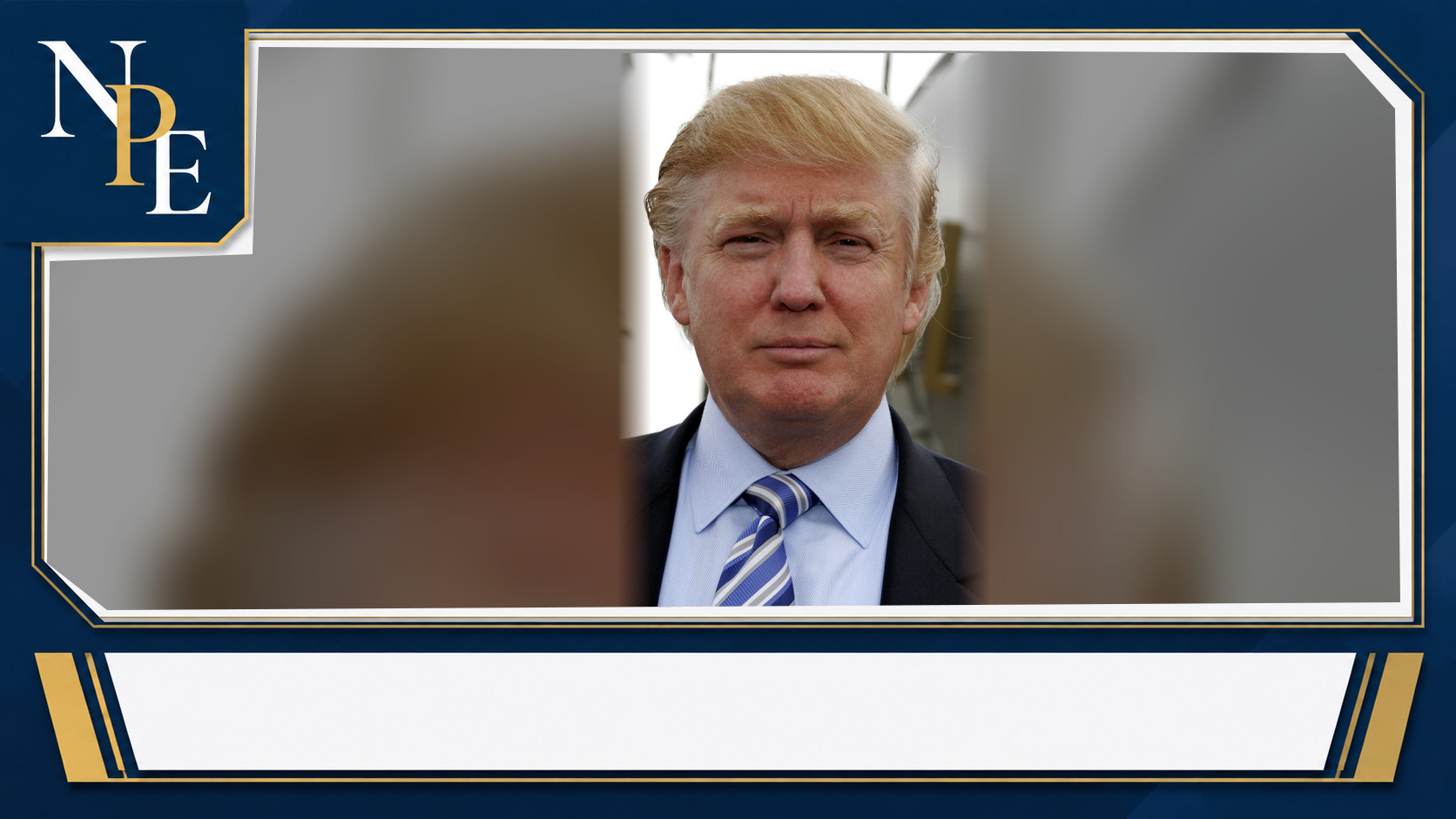
The White House called Donald Trump’s visit preventive medical and dental care, but the appointment landed amid heightened scrutiny of the 79-year-old president’s stamina and health. The central issue is less a single visit than the limits of the public information surrounding it.
Donald Trump visited Walter Reed National Military Medical Center for more than three hours during his fourth publicly disclosed medical exam since returning to office. The White House said the 79-year-old president received preventive medical and dental checkups, but the Walter Reed visit rekindled questions about his age and health amid reports about his appearance, stamina and hearing.
The appointment does not establish that Trump has a serious illness. It does, however, sharpen a familiar public debate: whether broad assurances from the White House are enough when the president’s health has consequences far beyond a private medical matter.
A routine visit meets a charged debate
According to reporting carried by PBS NewsHour and The Associated Press, the White House characterized Trump’s Walter Reed appointment as preventive care, including medical and dental checkups. A visit involving several screenings can take considerable time, and the length of an appointment alone is not proof of a major health problem.
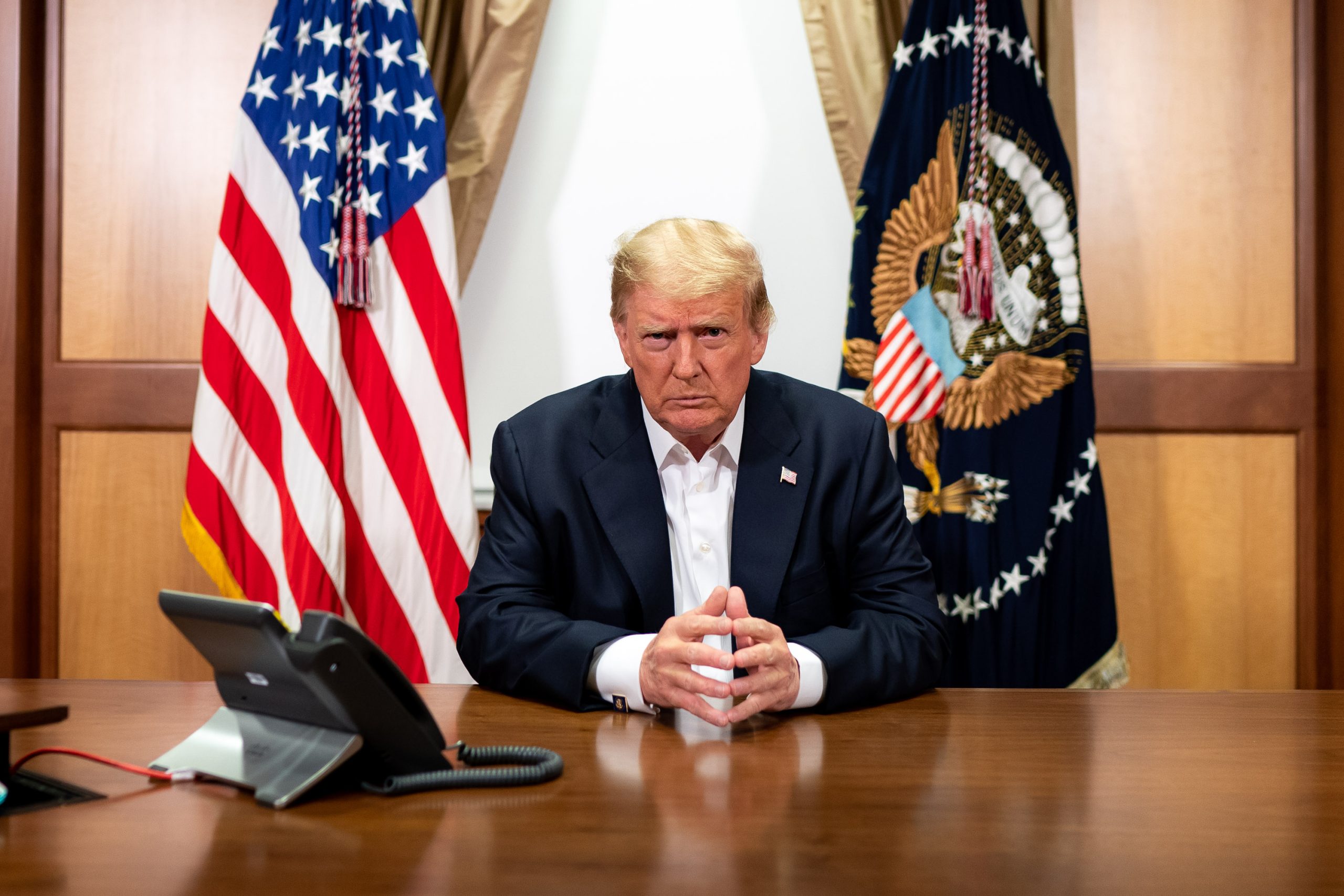
Still, presidential medical visits rarely occur outside a political context. Trump’s came after reporting and public discussion focused on visible signs of aging, making an otherwise routine explanation unlikely to settle the questions surrounding it.
The information released about a president’s care is necessarily selective. The public often does not know every test performed, why it was ordered or which findings physicians considered significant. That limited window can leave room for both reasonable questions and unsupported conclusions.
Why Trump’s age is central
At 79, Trump is the oldest person to assume the presidency. Age has long been part of the political conversation around him, and the demands of the office mean changes in energy, mobility or appearance draw immediate attention.
The Wall Street Journal reported that people close to Trump had observed signs of aging in public and private settings. Its account included reports that Trump appeared to struggle to stay awake during televised West Wing events and that some aides, friends and donors speak loudly in meetings because he strains to hear.
Those accounts came from unnamed people close to the president, and they are not a medical diagnosis. They can explain why scrutiny has grown, but they cannot determine whether Trump has a particular condition or whether he is unable to carry out the job.
That distinction matters. A public figure may look tired, move differently or have an awkward moment for many reasons. None of those observations is a substitute for an examination or a physician’s accountable medical assessment.
The White House says he is healthy
Trump has rejected the suggestion that his health is deteriorating. In an interview with the Wall Street Journal, he said he regretted receiving advanced imaging because it gave critics “a little ammunition,” and added that nothing was wrong.
The Journal reported that the imaging included cardiovascular and abdominal scans performed in October. Trump has also pointed to what he calls his “good genetics.”
Trump and his physician have said he is in excellent health. Aides have cited his active public schedule as evidence that he remains capable of meeting the demands of the presidency.
Supporters argue that critics are turning ordinary effects of aging into a political weapon while discounting Trump’s frequent appearances and workload. That view is a meaningful counterweight to judgments based only on video clips, photographs or secondhand reports.
Reports add detail, not a verdict
The Wall Street Journal also reported that Trump takes more aspirin than doctors recommend and briefly wore compression socks for swollen ankles before stopping because he disliked them. Those details may be relevant to a wider discussion about health, but they do not independently demonstrate a broad physical decline.
The Journal reported that Trump gets little sleep, does not regularly exercise beyond golf and favors salty and fatty foods, including hamburgers and french fries. It would go beyond the available evidence to convert those reported habits into a definite medical conclusion.
Medication use, lifestyle and apparent changes in energy all require medical context: a patient’s history, examination results and physician guidance. The public does not have that complete record in Trump’s case.
Critics see the reports as a reason to press for more specificity from the White House. Supporters see an effort to infer illness from ordinary aging and incomplete information. Both positions reflect the fact that the public record remains limited.
Privacy and the presidency collide
Presidents are not legally required to release every test result, diagnosis or clinical note. Medical information is private, and administrations have traditionally made their own decisions about how much to disclose.
Yet the presidency is not an ordinary job. Voters, allies and foreign governments all have an interest in whether a president can make decisions, travel, respond during a crisis and maintain an intense schedule. That creates pressure for health updates that are specific enough to be credible without abandoning personal privacy.
A general statement that a president is doing well may be accurate, but it cannot resolve every question that a more detailed medical summary might answer. The challenge is deciding what level of disclosure provides public confidence without treating every clinical detail as public property.
What future updates could clarify
The key question is not whether Trump appeared different at one event or whether a lengthy appointment necessarily signaled danger. It is whether future White House updates explain the purpose and findings of exams such as the Walter Reed visit with enough detail to distinguish documented facts from inference.
For now, two accounts exist side by side: reporting that has raised questions about Trump’s aging and wellness, and an administration that says he remains in excellent health and able to perform his duties.
Trump’s public schedule and his response to questions about stamina will continue to shape the debate. More detailed medical disclosure could address some uncertainty, while limited statements are likely to keep the argument focused on appearance, political trust and what the public has a right to know.
Leave a Reply