
The issue is not just whether Donald Trump cooperates with Congress. It is whether blanket defiance of House subpoenas can be treated as an impeachable abuse of power.
Donald Trump may have exposed himself to grounds for impeachment, legal critics argue, because Trump defied House subpoenas — the same kind of alleged obstruction the House of Representatives once wrote into an article of impeachment against him. The article explains why this could justify impeachment: the Constitution gives the House the power to investigate presidential misconduct as part of its impeachment authority, and categorical resistance can be treated as an attack on that power.
That does not mean impeachment is automatic, or even likely. It means a subpoena standoff can become more than a legal fight over documents or testimony; it can become a constitutional fight over whether a president may block Congress from checking executive power.
The subpoena fight is the point
Impeachment arguments often sound like they are about the underlying scandal: a phone call, a payment, a classified document, a riot, a pressure campaign. But Congress has also treated obstruction of its own inquiry as a separate offense.
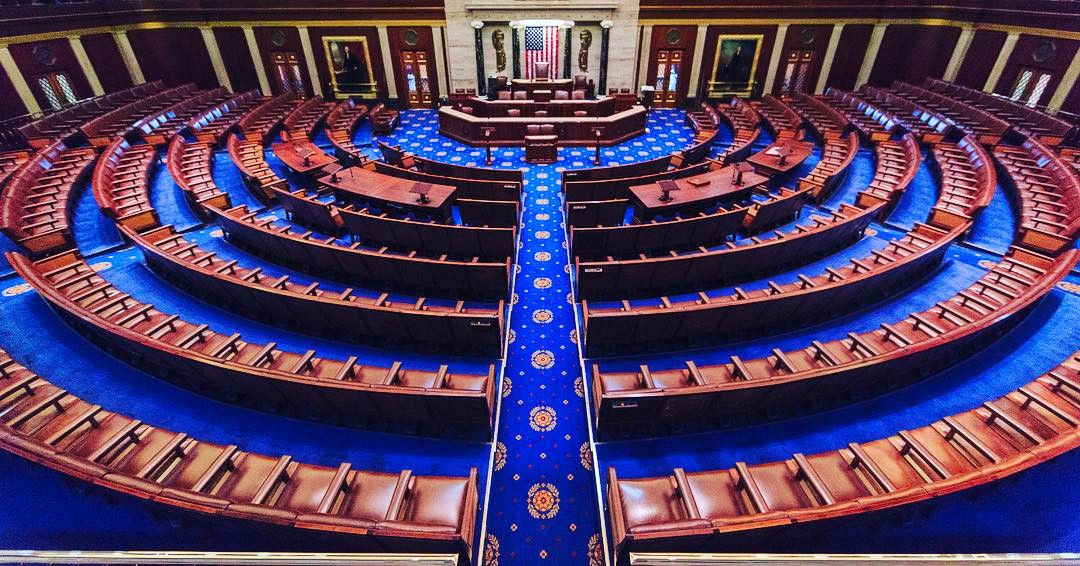
That distinction matters for Trump. If the allegation is that he or his administration simply disagreed with a House committee, that is ordinary political conflict. If the allegation is that he directed broad defiance of lawful subpoenas issued by the House, the dispute moves into a different constitutional lane.
The House does not need a criminal indictment to impeach. The Constitution says the president may be impeached for “Treason, Bribery, or other high Crimes and Misdemeanors.” Across American history, that phrase has been understood by Congress to cover serious abuses of office, betrayals of public trust and efforts to subvert constitutional checks — not only conduct that violates a specific criminal statute.
What the House said in 2019
The clearest source for the impeachment theory is not a pundit’s take. It is the House’s own 2019 record.
In H. Res. 755, the articles of impeachment against Donald John Trump, the House approved Article II: obstruction of Congress. The article accused Trump of directing “the unprecedented, categorical, and indiscriminate defiance of subpoenas” issued by the House of Representatives pursuant to its “sole Power of Impeachment.”
That wording is important. The House did not frame the issue as one missed deadline or one disputed witness. It framed the conduct as a sweeping refusal to recognize the legitimacy of an impeachment inquiry.
The House Judiciary Committee’s 2019 report, published as H. Rept. 116-346 on Congress.gov, made the same basic case: if a president can order the executive branch not to cooperate at all, then the House’s impeachment power can be hollowed out before the facts are gathered.
Why impeachment is different
Congress issues subpoenas in many settings. Agencies resist them. Presidents invoke privilege. Committees negotiate over scope, timing and sensitive material. Not every refusal is an impeachment issue.
Impeachment changes the stakes because the House is not merely conducting routine oversight. It is exercising a power the Constitution assigns specifically to it: the “sole Power of Impeachment.” That gives the House a strong argument that it must be able to obtain evidence about presidential misconduct.
The practical concern is simple. If the president under investigation can direct officials not to testify, withhold documents and refuse cooperation across the board, then Congress may be forced to decide whether to impeach without the evidence it sought. The House’s 2019 position was that such a blockade can itself become an impeachable offense.
That is why the phrase “grounds for impeachment” carries real meaning here. The alleged defiance is not just a procedural irritant. In the House’s prior view, it can be evidence that a president is placing himself above Congress’s constitutional role.
The counterargument from Trump’s side
Trump’s defenders have long rejected that theory. Their argument is that presidents are allowed to resist congressional demands, especially when they believe a subpoena is too broad, politically motivated, legally defective or aimed at privileged executive communications.
Executive privilege is not imaginary. Presidents of both parties have asserted it, and courts have recognized that some confidential presidential communications deserve protection. A White House may also argue that Congress must go to court to enforce subpoenas rather than jump straight to impeachment.
Republican dissenting views in the 2019 House Judiciary report argued, among other things, that Democrats rushed the process and failed to fully litigate subpoena disputes. That critique remains central to Trump’s defense in any similar fight: resistance, his allies say, is not obstruction if the subpoenas themselves are contested.
The harder question is where legitimate resistance ends. A narrow privilege claim over specific materials is one thing. A blanket command that no one cooperate with the House is another. The impeachment risk grows when the House can portray the conduct as categorical defiance rather than ordinary negotiation.
Why the risk is political
Impeachment is a constitutional process, but it is carried out by politicians. The House decides whether to impeach by majority vote. The Senate decides whether to convict, and conviction requires a two-thirds vote of senators present.
That means the same conduct can produce very different outcomes depending on the political balance in Congress, the public record, the seriousness of the underlying inquiry and the willingness of lawmakers to escalate a subpoena fight into a presidential crisis.
Trump’s first impeachment shows the divide. The House impeached him in December 2019 on two articles: abuse of power and obstruction of Congress. The Senate acquitted him in February 2020. The acquittal ended that case, but it did not erase the House’s constitutional theory that subpoena defiance can support impeachment.
For readers trying to understand the current claim, that is the key context. The phrase “may have exposed himself” does not mean removal is imminent. It means the alleged conduct fits a theory the House has already used against Trump once before.
What would have to happen next
For subpoena defiance to become an actual impeachment charge, the House would need more than outrage. It would need a record: subpoenas issued, deadlines missed, legal justifications offered or rejected, witnesses blocked, documents withheld and evidence that the president personally directed or approved the resistance.
Lawmakers would also have to decide whether the dispute is serious enough to justify impeachment rather than litigation, negotiation or contempt proceedings. That choice would depend partly on timing. Courts can move slowly, and impeachment fights often turn on whether Congress believes delay itself is helping a president run out the clock.
Several facts remain unclear from the public framing alone: which subpoenas are at issue, what legal reasons were given for noncompliance, whether privilege was formally invoked, and whether the House would view the conduct as limited resistance or a broader refusal to submit to oversight.
The clean takeaway is this: defying House subpoenas can be more than a paperwork fight. If the House concludes that Trump used his office to block an impeachment-related inquiry, it has a historical and constitutional basis to call that obstruction of Congress — and, potentially, grounds for impeachment.
Leave a Reply