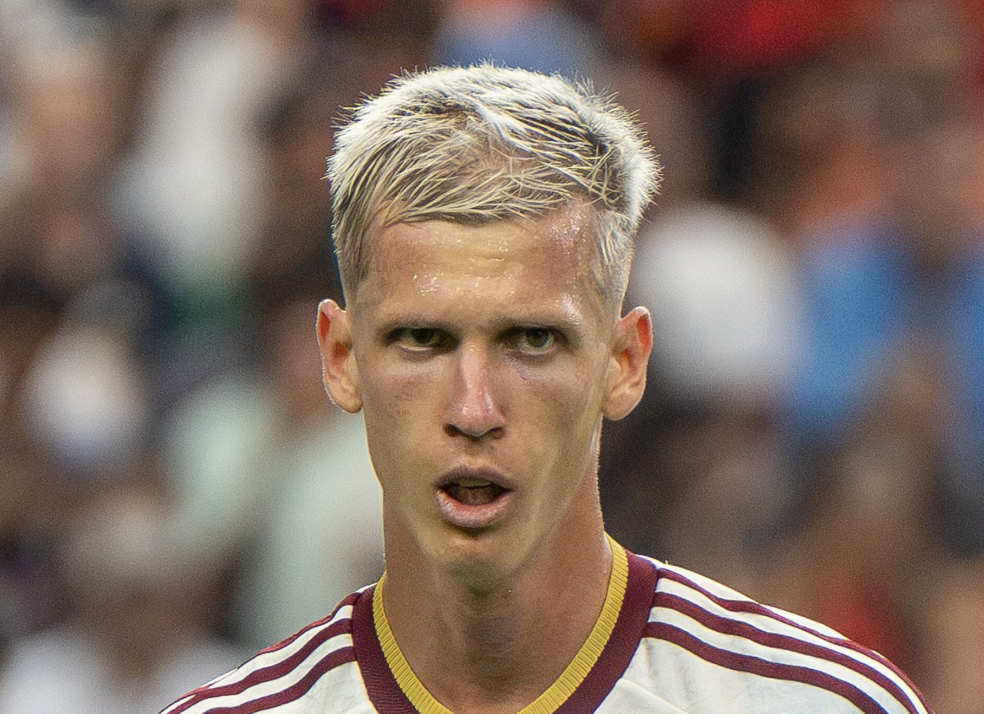
The argument is no longer just about one shove after a final whistle. Olmo’s response puts sportsmanship, accountability and a historic Spain triumph back under the spotlight.
Dani Olmo responded to Roberto Ayala over a post-match incident after Spain’s win over Argentina in the 2026 World Cup final, rejecting Ayala’s explanation and saying he did not need an apology. The flashpoint, according to AS, came after the final whistle, when Ayala, part of Lionel Scaloni’s Argentina staff, was captured shoving the Spain player on the pitch.
Ayala described it as “a push more than anything else” and tied it to an alleged remark. Olmo’s answer turned the dispute from a scuffle into a test of accountability after Spain’s world-title celebration.
Olmo rejects Ayala’s version
Olmo’s response was direct: he disputed both the spirit of Ayala’s apology and the explanation attached to it.
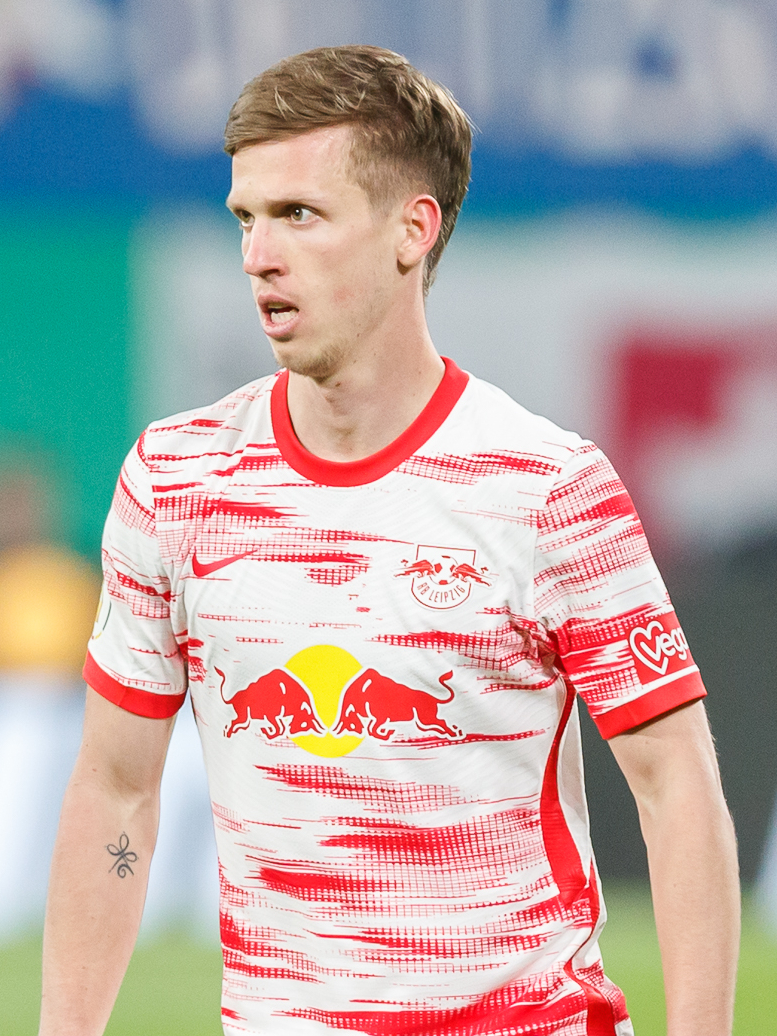
In comments reported by AS, Olmo said someone who claims to be sorry while defending a punch or shove as a reaction to a remark is “probably not remorseful” because, in his view, that person is not being truthful. He also denied having said anything to Ayala.
That denial matters because Ayala’s explanation rested on provocation. If the incident was triggered by something said, it could be read as a heated but human reaction at the end of the sport’s biggest match. If Olmo’s version is right, the explanation becomes something else: an attempt to soften responsibility for a physical confrontation.
Olmo went further by saying he did not need Ayala to apologize. That is the sharpest part of his response. He was not simply asking for a better apology; he was questioning whether the apology had any value if it arrived with a built-in defense.
Ayala called it a push
Ayala’s own account, as quoted by AS, tried to narrow the incident. He said it was “a push more than anything else” and not “a punch like people are saying.” He also said it was a reaction to a remark and added that if he saw Olmo, he would apologize.
That is a familiar post-match crisis pattern: reduce the physical act, point to emotional context, offer an apology, and hope the moment gets absorbed into the chaos of a final. But Olmo’s reply shows why that formula can fail when the other person rejects the premise.
The dispute now sits on two competing claims. Ayala says the moment was a push and was sparked by a comment. Olmo says he made no such comment and sees the explanation as a way of defending conduct that should simply be owned.
What remains unclear, based on the available reporting, is whether any governing body will review the incident or whether either federation will say more. The public argument, for now, is being shaped by the two accounts rather than by any official disciplinary outcome.
A final whistle turns messy
World Cup finals compress everything: exhaustion, pride, grievance, national expectation and the sudden shock of winning or losing. That pressure does not excuse a confrontation, but it helps explain why a few seconds after the whistle can become as scrutinized as a key play during the match.
Spain’s victory over Argentina should have been the clean headline. Instead, the post-match images and quotes have created a secondary story around conduct after the result was settled.
For Spain, the tension is obvious. Olmo is trying to protect the meaning of the triumph while also refusing to let the incident be waved away. For Argentina, Ayala is not just a former player speaking casually from the sideline; he is part of Scaloni’s staff, which gives his actions added weight.
That is why the exchange has traveled beyond a routine “tempers flared” note. It involves a Spain player who has just become a world champion and a member of Argentina’s technical staff offering an explanation that the player publicly rejects.
Why the apology landed badly
Olmo’s central argument is not that mistakes never happen. In fact, his broader message was built around the opposite idea: what defines people, he said, is not the mistake itself but the courage to own it with humility, truth and dignity.
That framing is important. Olmo is drawing a line between an apology and an apology with conditions. In his telling, admitting regret while also saying the act was a response to something said is not accountability; it is justification.
There is a counterargument some fans will recognize. Football is emotional, finals are combustible, and players and staff often say things that never reach microphones. People who see the incident through that lens may view Ayala’s comments as an attempt to explain, not excuse.
Olmo’s stance challenges that reading. He is saying the alleged verbal trigger did not happen, and that inventing or leaning on one makes the apology worse. The disagreement is not only about what Ayala did with his hands. It is about whether his words afterward made the situation smaller or more serious.
Spain’s triumph remains the anchor
Olmo also tried to pull the conversation back toward Spain’s achievement. He described the World Cup as an incredible tournament and emphasized the work behind becoming world champions.
That balance is delicate. If he says nothing, Ayala’s version stands mostly unchallenged. If he says too much, the post-match clash risks eating into the memory of Spain’s win. His answer attempts to do both: reject the explanation firmly, then remind everyone that the larger story is Spain lifting the trophy.
His comments about children, family and fans also broadened the issue beyond personal offense. Olmo argued that footballers are role models and that conduct matters because the game is watched by future generations.
That may sound lofty for a sideline scuffle, but it is also how modern football works. Every camera angle becomes evidence, every quote becomes a position, and every apology is judged not only for what it says but for what it refuses to concede.
What happens next
The immediate sporting result is settled: Spain beat Argentina in the 2026 World Cup final. The reputational aftershock is less tidy.
Ayala can leave his original explanation as it stands, clarify it, or offer a cleaner apology without the alleged provocation attached. Olmo, for his part, has made clear that he does not accept the version that the incident began with something he said.
Unless officials step in, the episode may fade behind the bigger image of Spain’s championship. But it has already become a revealing footnote to the final: a reminder that the story after a World Cup win is not only about medals, celebrations and history, but also about how the people involved behave when the pressure finally breaks.
The takeaway from Olmo’s response is simple. He is not asking for a ceremonial handshake. He is saying that if an apology is paired with a defense he believes is false, it is not really an apology at all.
Leave a Reply