Trump’s call for allied action in one of the world’s most vital oil shipping lanes is exposing a deeper problem: governments he wants beside him are wary of joining a war they did not choose. Their response could shape both energy markets and the future of U.S. alliances.
President Donald Trump is pressing former U.S. allies and NATO allies to help reopen the Strait of Hormuz, a crucial energy route disrupted amid the conflict with Iran. Former U.S. allies have responded cautiously and expressed reservations about providing military support, raising the risk that Trump’s demand could provoke an ugly conflict with governments Washington has long relied on.
The immediate issue is safe passage for ships. The larger issue is political: Trump wants allied help after years in which his administration has criticized, pressured and, in some cases, threatened the same partners now being asked to share the risk.
A high-stakes demand at sea
Trump called on countries that receive oil through the Strait of Hormuz to help secure the waterway, according to NBC News. In comments reported by the outlet, he argued that countries benefiting from the passage should take responsibility for keeping it open.
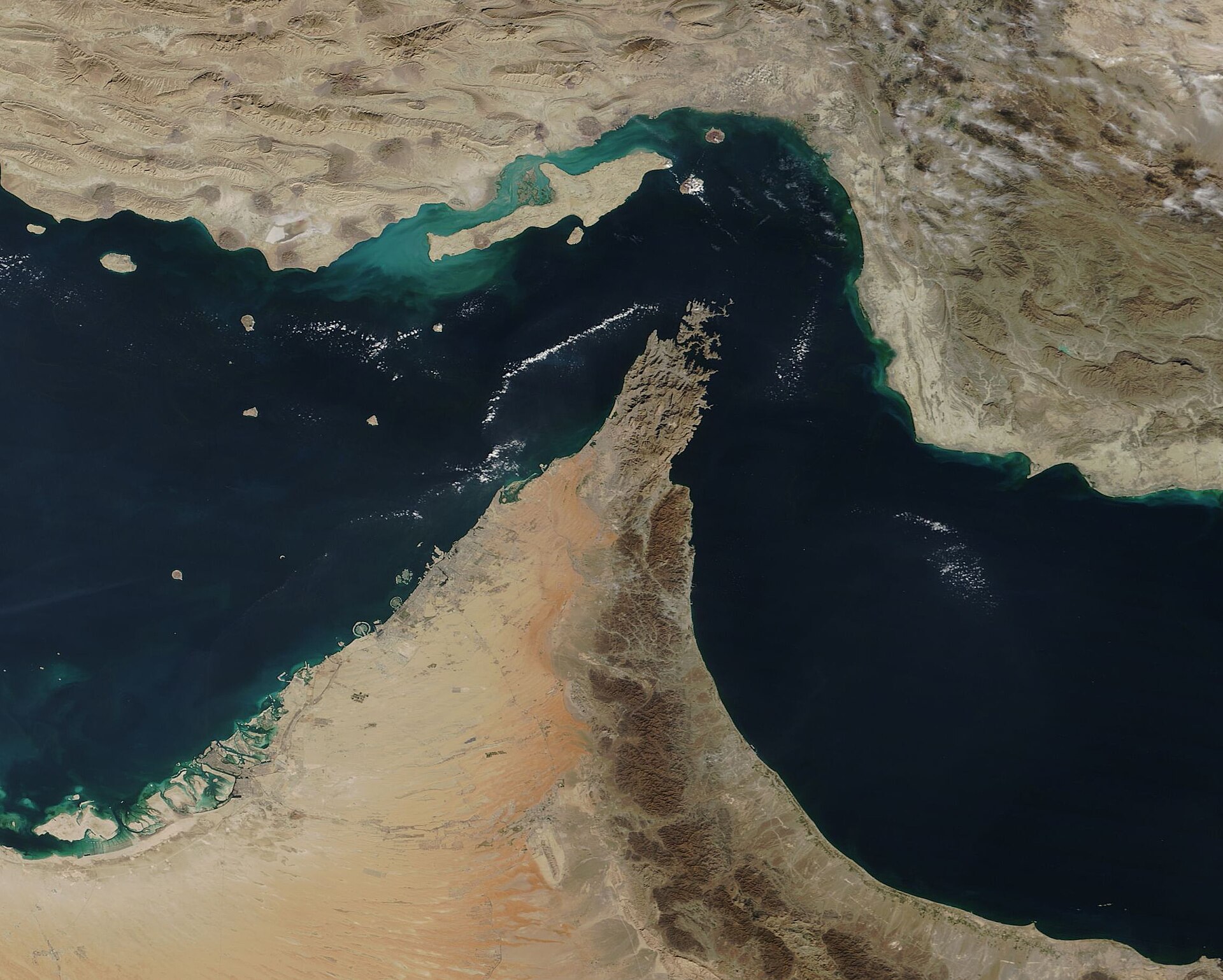
The strait is a narrow but strategically enormous channel between Iran and Oman. It is a route for a major share of the world’s seaborne oil and liquefied natural gas, which means even a partial disruption can move prices far beyond the Middle East.
Iran has said the strait is open from its perspective but not to its enemies. Reports of attacks on vessels attempting to cross have nevertheless intensified fears among shippers, insurers and importing countries that normal commercial traffic cannot be assumed.
That distinction matters. A formal closure, a de facto inability to sail safely, and selective threats against certain ships can each create pressure for a military response, but they carry different legal, diplomatic and operational consequences.
Allies question the mission
Several allied governments have made clear that reopening the strait is not a simple request for support. It could mean joining, or appearing to join, a broader conflict with Tehran.
Germany’s defense minister, Boris Pistorius, summed up the caution in comments reported by NBC News: “This is not our war, we have not started it.” Spain rejected what its defense minister described as stopgap measures, arguing that the priority should be ending the war.
Italy also signaled reluctance. Foreign Minister Antonio Tajani said diplomacy should prevail, while British Prime Minister Keir Starmer stressed the need to restore freedom of navigation but said Britain should not be pulled into the wider war.
Japan and Australia said they had no plans to send ships in response to Trump’s request, according to NBC. The result is not a unified allied rejection of maritime security; it is a broad reluctance to make a military commitment without clarity about the mission, its command structure and its connection to the conflict with Iran.
Why the request carries baggage
Military coalitions depend on more than shared interests. They also depend on trust that the risks, goals and responsibilities are being fairly shared.
That is where Trump’s request runs into a problem. NBC News noted that his administration’s prior pressure on NATO allies, criticism of their contributions and disputes involving Greenland have left European leaders asking whether Washington’s demand is part of a limited shipping-security operation or another attempt to shift the costs of a U.S.-led confrontation.
Former Estonian President Toomas Hendrik Ilves told NBC it was “a bit rich” for Trump to seek support from countries he had previously insulted. His argument was not simply personal grievance: if allied troops face danger, governments need confidence that the mission has a coherent purpose and that their sacrifices will be respected.
The White House has offered a sharply different view. Press secretary Karoline Leavitt said countries should assist because they have benefited from U.S. military action against what she called the Iranian threat. From that perspective, allied participation is burden-sharing, not an unreasonable demand.
Protecting ships is not simple
There is a practical case for international action. Open sea lanes are a shared economic interest, and a sustained Hormuz disruption could raise fuel costs, worsen inflation pressures and disrupt supply chains well beyond the countries directly involved.
But protecting shipping is not the same as merely dispatching naval vessels. Any mission would need rules of engagement, a clear legal basis, coordination with regional states and an answer to the hardest question: what happens if escorting ships leads to direct clashes with Iranian forces?
Starmer’s position reflects that tension. He backed restoring navigation but said any operation should be broader than NATO, involving the United States and Gulf countries. That approach would spread responsibility and acknowledge that regional governments have direct stakes in the waterway.
European Union foreign policy chief Kaja Kallas floated the possibility of adapting an arrangement resembling the 2022 deal that enabled Ukrainian grain exports, NBC reported. A proposal to expand an existing EU naval mission in the Red Sea to cover Hormuz did not gain support from member states.
The alliance test beyond Hormuz
The dispute is about more than one shipping lane. It highlights a recurring divide between Washington’s expectation that allies will act when called upon and allies’ insistence that consultation, shared strategy and defined limits must come first.
Trump’s supporters can argue that countries dependent on Hormuz have strong economic reasons to contribute. They may also contend that hesitation encourages Iran to test the resolve of the United States and its partners.
Critics see the opposite danger: an improvised or coercive demand could widen the conflict, expose allied forces to attack and further weaken the partnerships needed to manage future crises. In their view, pressure on NATO does not automatically produce unity; it can make governments more determined to preserve distance.
Whether a coalition emerges will depend on details that remain unclear, including the scope of any operation, who would lead it, whether Gulf states would participate, and whether diplomatic channels can reduce the threat to commercial shipping without expanding the war.
What the cautious response means now
For now, allied reservations do not mean that the Strait of Hormuz has been abandoned. Britain and other governments have publicly recognized the need for safe navigation, while European officials continue to discuss diplomatic and maritime options.
What has changed is the political terrain. Trump’s demand has made visible the limits of alliance solidarity when partners believe they are being asked to enter a conflict without an agreed endpoint.
That leaves the United States with a difficult choice: build a broader, clearly defined coalition through consultation, or try to compel support from allies already skeptical of the mission. The first path takes time. The second could deepen tensions with the very countries Trump wants at his side.
Leave a Reply