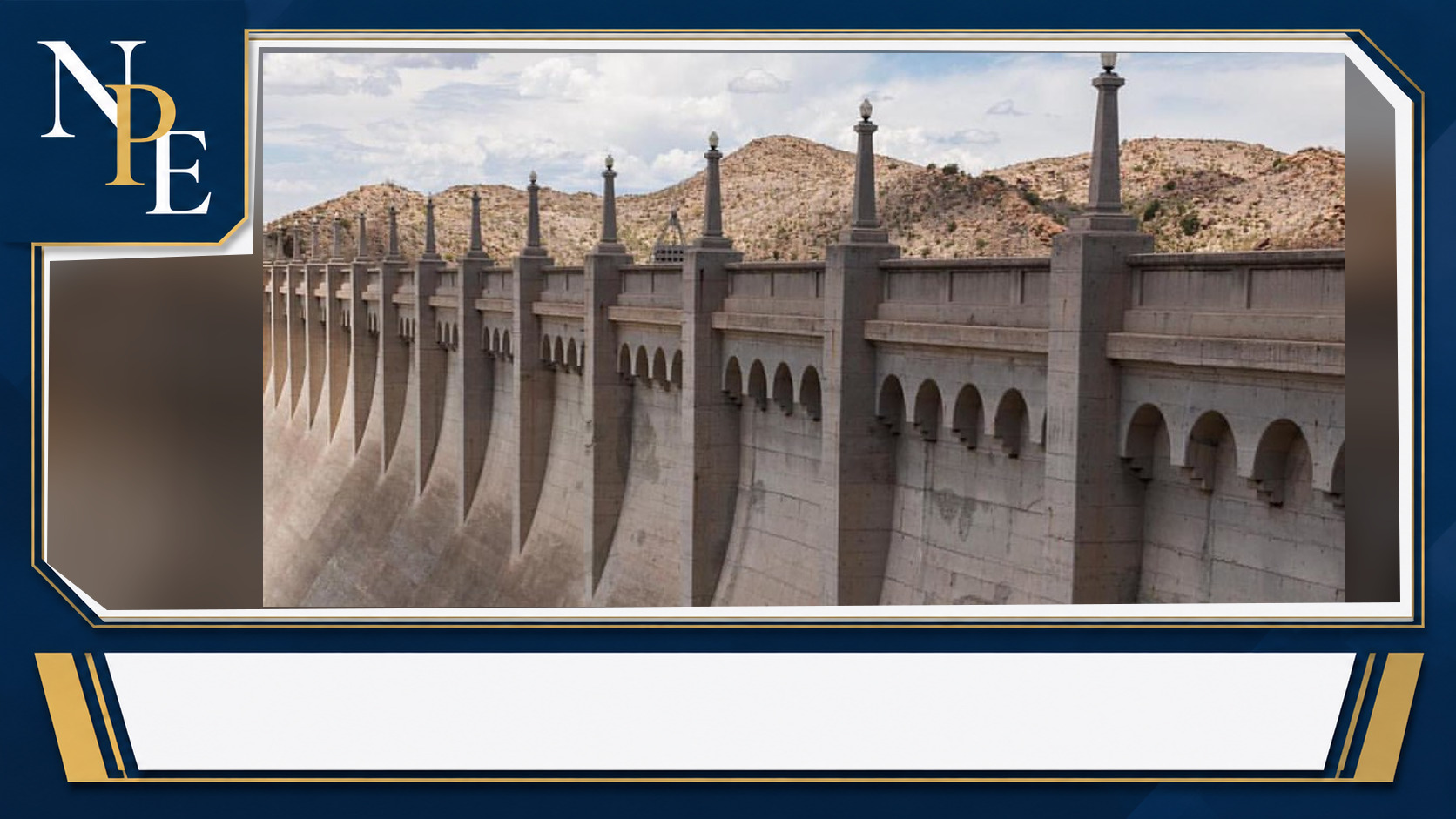
The reservoir’s latest reading is not just a shoreline milestone. It adds pressure to decisions over water deliveries, hydropower, habitat and recreation across the Colorado River system.
Lake Mead’s latest low-water reading is putting the Colorado River’s operating choices back in focus. According to federal data cited by The Guardian, the reservoir on the Arizona-Nevada border reached 1,040.4 feet above sea level on Friday, near the lowest level since it was filled roughly 90 years ago.
The number matters because Lake Mead is the largest reservoir in the United States and a central storage point for a river system that serves cities, farms, tribal nations and Mexico. The immediate issue is not only how low the lake looks outside Las Vegas. It is how much room remains for managers and states to share a river under sustained strain.
Federal choices now sit at the center
The Bureau of Reclamation is expected to issue a record of decision with more detail on its near-term Colorado River plan, according to The Guardian’s reporting. That decision may clarify how reductions would be handled as the basin continues to struggle with limited supply.
The agency has proposed reductions for the Lower Basin states: Arizona, California and Nevada. The proposal comes after the states that rely on the river failed to reach a long-term agreement on sharing dwindling supplies.
That federal role is significant because voluntary consensus has remained difficult. Any plan must account for cities, agricultural districts, tribal governments, environmental needs and downstream obligations, all while the reservoirs that support the system remain depleted.
What the 1,040.4-foot reading shows
Federal data cited in reporting put Lake Mead at 1,040.4 feet above sea level on Friday. The Guardian described that level as just short of the record set on July 28, 2022, while also describing the reservoir as having plummeted to its lowest level since it was filled.
That tension reflects how precise reservoir records can be. A fraction of a foot can affect whether a measurement is technically a new all-time low, and Bureau of Reclamation reservoir data are considered provisional and subject to revision.
The broader point is less ambiguous: Lake Mead remains severely depleted. The Guardian reported that July federal modeling forecast further declines through much of the year.
Why one reservoir affects so many users
Lake Mead is part of the Colorado River system, which supplies water across seven U.S. states: Arizona, California, Colorado, Nevada, New Mexico, Utah and Wyoming. The river also serves tribal nations and Mexico and irrigates millions of acres of farmland.
Reporting has put the population served by the broader Colorado River system at roughly 40 million people. JB Hamby, chair of the Colorado River Board of California and a board member of the Imperial Irrigation District, told The Guardian that risks to Lake Mead directly affect about 30 million people in the basin.
For households, a low reservoir level does not mean taps suddenly run dry. But lower storage leaves less cushion for water agencies planning around deliveries, conservation and future dry conditions.
The river’s shrinking cushion has several causes
The Colorado River basin is under pressure from a combination of overuse, prolonged drought, extreme heat and a lack of snowmelt to replenish the river, according to The Guardian. Lake Powell, the other major reservoir on the Colorado River, is also at historic low levels.
Those conditions make Lake Mead’s level more than a local concern. When both major reservoirs are low, the system has less flexibility to absorb dry periods or heavier demand.
Hamby told The Guardian the situation was extremely significant and extremely concerning. He also said it is vital for states using Colorado River water to reduce water use.
Power, habitat and recreation add to the tradeoffs
Low reservoirs can complicate decisions beyond municipal and agricultural water deliveries. Water released through dams supports hydropower, and managers must weigh power production against downstream water needs and ecological conditions.
Federal officials recently said they would not release cooler water from Lake Powell through Glen Canyon Dam to help protect habitat for the threatened humpback chub. The decision reflected concern about preserving the system’s capacity to generate hydropower as storage declines.
Recreation has also been affected as water levels fall. At Lake Powell, low water has made some boat ramps difficult to use, requiring closures, relocations or new construction. At Lake Mead, the 2022 drought exposed human remains, and deeper pumping infrastructure has been used to keep water intakes functioning.
The next test is how much demand can fall
Lake Mead’s level could rise or fall with weather, runoff and releases from upstream reservoirs. But the 1,040.4-foot reading shows how little margin remains in a river system built around demands that now exceed what depleted reservoirs can comfortably support.
The pending federal decision will not end the Colorado River’s long-running water problem. It may, however, show how sharply the government is prepared to act when the states cannot agree on a durable way to use less.
Leave a Reply