Food inflation has eased from its 2022 peak, but grocery prices are still rising. That distinction is becoming a central point of disagreement as Republicans head into the U.S. midterm cycle.
Food purchased for consumption at home was 2.7% more expensive in June 2026 than it was a year earlier, according to the U.S. Department of Agriculture’s Economic Research Service. The figure is likely to matter politically because Donald Trump made grocery bills a visible part of his 2024 campaign argument.
Prices do not move uniformly across a supermarket, and food costs are not controlled by a single administration. But a household’s regular shopping trip can carry more immediate weight than a broad inflation measure, particularly when candidates have tied their economic case to the cost of filling a cart.
Food prices are still moving higher
The USDA’s latest Food Price Outlook said overall food prices in June 2026 were 3.0% higher than a year earlier. Food-at-home prices, the measure most closely associated with supermarket purchases, rose 2.7% over the same period.
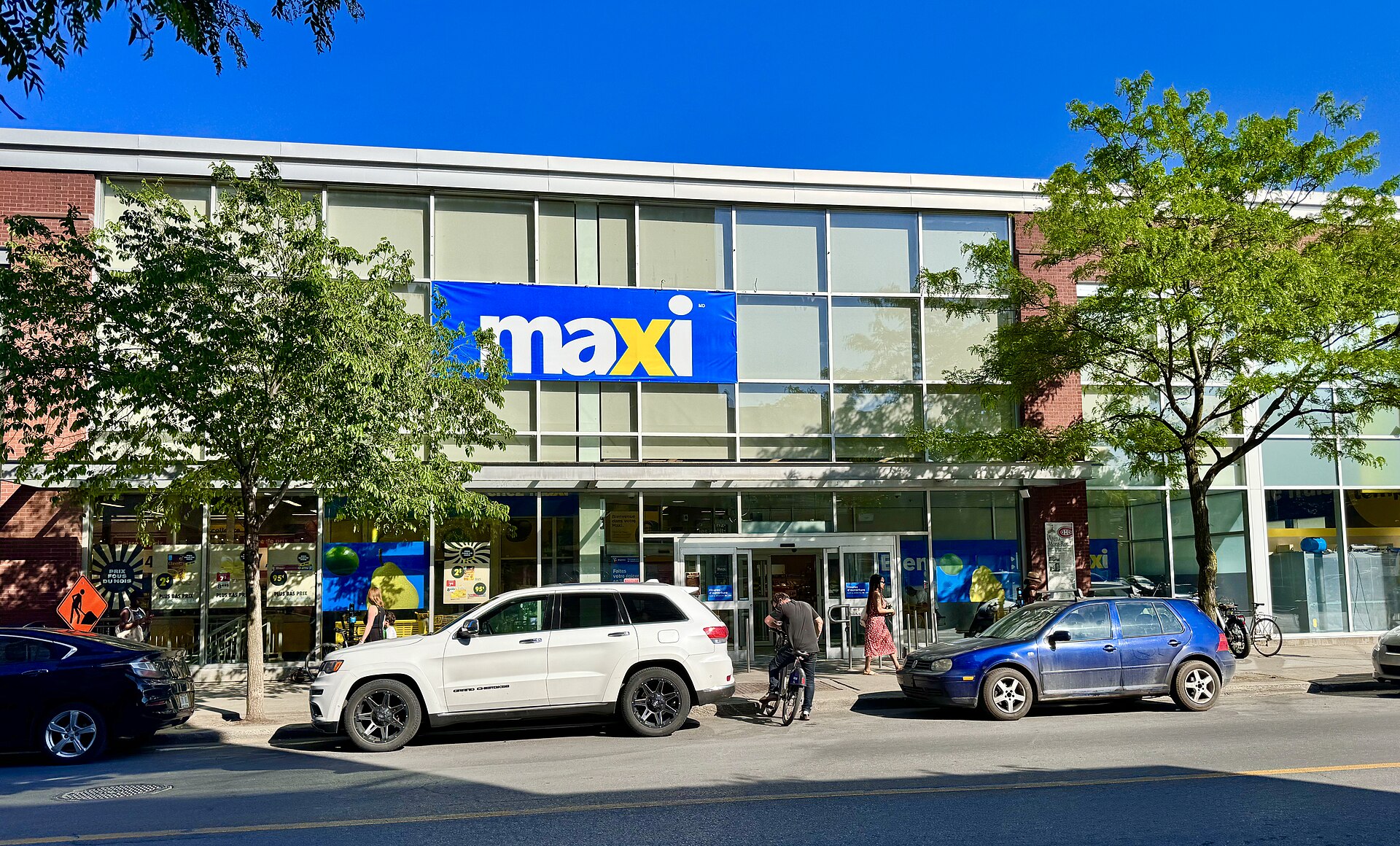
From May to June, prices increased in 10 of the 15 food-at-home categories tracked by the agency, while five categories declined. Beef and veal, other meats, dairy products, fats and oils, and sugar and sweets each recorded average monthly increases of at least 1%.
The USDA forecasts that food-at-home prices will rise 2.7% on average in 2026. That is substantially below 2022, when overall food prices rose 9.9%, but it remains an increase rather than a broad reduction in what shoppers pay.
Grocery bills reflect more than politics
It would be inaccurate to attribute supermarket prices to a single White House decision. Food costs are affected by weather, animal disease, energy and transportation expenses, labor costs, global commodity markets, supply chains, and decisions by producers, processors and retailers.
The USDA’s category data illustrates that differences can be substantial. Pressures affecting beef prices may differ from those affecting fresh vegetables, beverages or other grocery categories.
Republican candidates can reasonably argue that food-price pressures have multiple causes, that no president directly controls every item in a grocery store, and that structural pressures can take time to ease. They can also point to the slower pace of price increases as a sign of broader economic improvement.
Slower inflation is not the same as lower prices
The distinction between a slower increase and a price decline is central to the debate. Inflation slowing means prices are rising less rapidly; prices falling would mean shoppers broadly pay less than before.
- Slower food inflation: Grocery costs can continue rising, but at a more moderate rate.
- Lower grocery prices: Shoppers would broadly pay less for the same purchases than they did previously.
A lower inflation rate can signal improvement in the broader economy. For a household still managing an expensive weekly receipt, however, that improvement may not feel like immediate relief.
Families encounter food prices repeatedly, and their experience can differ according to what they buy, where they live and whether they eat more meals at home or away from home. That makes groceries a recurring and highly visible affordability measure.
A 2024 campaign image gains new relevance
Trump’s grocery-related photo opportunity in 2024 connected his campaign directly to frustration over household food bills. Rather than relying on broader measures of inflation or economic growth, it centered a familiar concern: the cost of buying milk, meat, produce and pantry staples.
As Republicans enter the U.S. midterm cycle, that image is being revisited against the continuing rise in food prices. A campaign photograph cannot determine an election by itself, but it can become a lasting reference point when the issue it highlighted remains part of daily life.
The challenge is not simply whether inflation is lower than it was at an earlier point. It is whether voters believe their grocery budgets feel meaningfully less strained than when supermarket costs were central to the 2024 campaign.
Both parties have an argument to make
Democrats have an incentive to portray continuing food inflation as evidence that Republican promises exceeded what government policy could quickly deliver. Trump’s 2024 grocery photo provides a ready-made visual for that case.
Responsibility for food prices, however, is unlikely to be assigned neatly. Some voters may blame prior administrations, supply disruptions, corporate pricing decisions or other economic forces rather than one party or president.
The midterm contest may turn less on a shared reading of the data than on competing definitions of progress. Republicans can argue that price increases have moderated. Critics can respond that moderation is different from a rollback in prices.
Food prices could remain a defining issue through Election Day, or they could be eclipsed by wages, employment, housing, health care, tariffs or another economic concern. The USDA forecast is a national outlook, not a prediction of how individual voters will judge their finances.
Leave a Reply