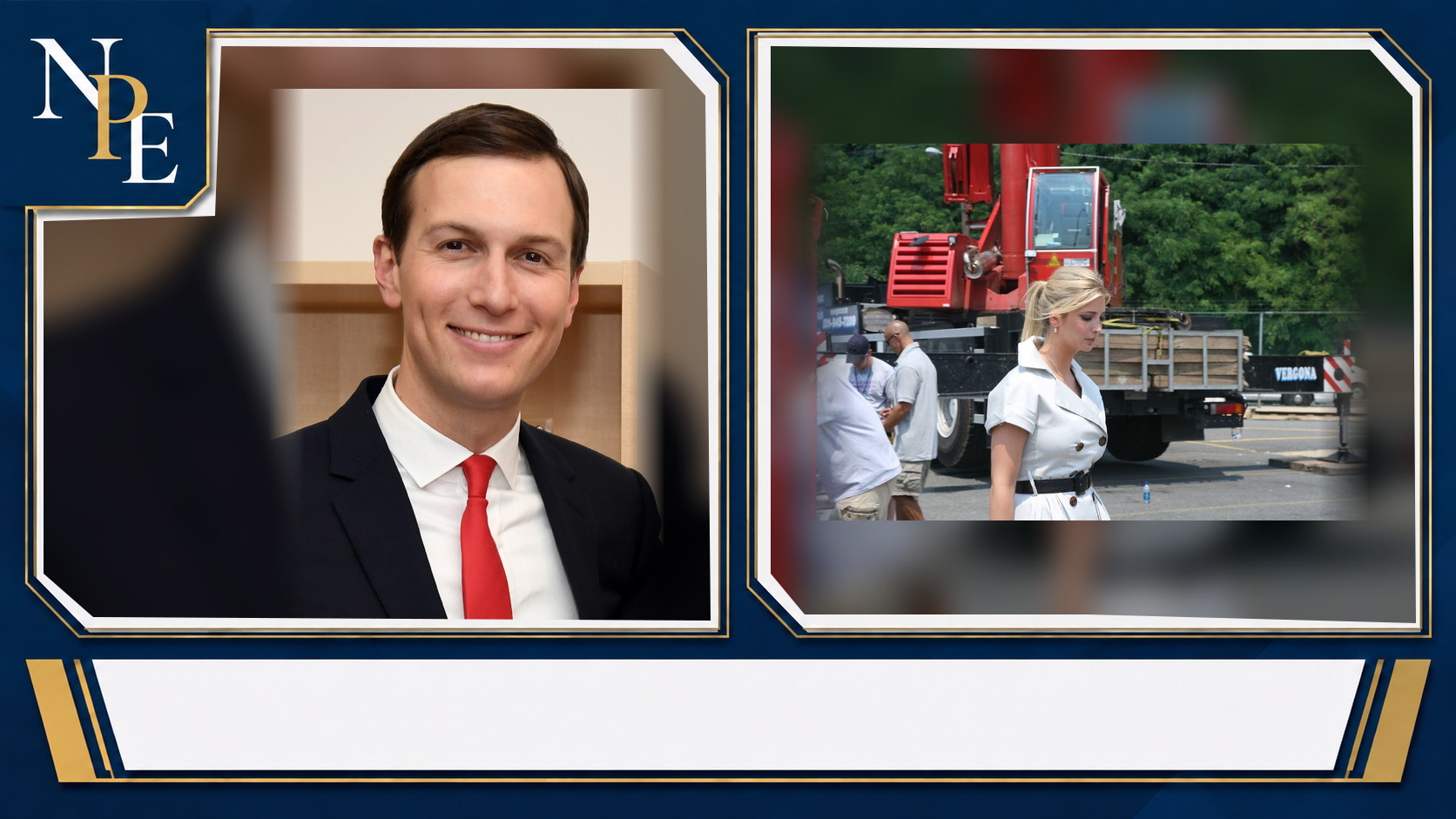
The broadcaster says Trump’s relatives may have firsthand knowledge relevant to the intent behind his January 6, 2021, speech. The request turns a dispute over a television edit into a wider fight over evidence, access and damages.
The BBC is seeking testimony and documents from Jared Kushner, Ivanka Trump and Donald Trump Jr. as it defends against Donald Trump’s $10 billion defamation lawsuit over a Panorama program. The dispute centers on the BBC’s editing of portions of Trump’s January 6, 2021, speech before the U.S. Capitol riot.
In a court filing, the BBC argues that Jared and Ivanka, along with Donald Trump Jr., may hold firsthand information about Trump’s intentions when he prepared and delivered that speech. The request could pull the president’s closest family members into a case that is already testing the legal consequences of a high-profile editorial error.
Why the BBC wants family evidence
According to the filing described by BBC News, the broadcaster’s lawyers say the three relatives had “personal knowledge” that could bear on Trump’s defamation claim. That is the central rationale for seeking their documents and sworn testimony.
The BBC points to material gathered previously by a congressional committee. The filing says Ivanka Trump and Donald Trump Jr. were present as their father revised and delivered the January 6 speech.
It also says Kushner drafted a proposed statement for Trump that would have condemned violence. The BBC appears to view those circumstances as potentially useful in establishing what Trump intended, what people close to him knew at the time, and how the speech was being shaped behind the scenes.
That does not mean the family members have been accused of wrongdoing. The BBC’s position is that they may possess evidence relevant to issues raised by Trump himself in bringing the lawsuit.
The edit at the center
Trump sued the BBC and related companies over a 2024 episode of Panorama. His suit, filed in Florida, alleges that the broadcaster intentionally and deceptively edited his remarks outside the Capitol on January 6, 2021.
The program combined two separate portions of Trump’s speech. The BBC has apologized for the editing error, saying it gave the mistaken impression that Trump had made a direct call for violent action.
But an apology is not the same as accepting legal liability. The BBC has denied that the editing rises to the level of defamation and has asked the court to dismiss the lawsuit.
The two sides are therefore fighting over more than whether the edit was flawed. They are also contesting whether it meets the legal standard for defamation, whether it was distributed in the United States, and whether Trump can prove the scale of harm he claims.
A $10 billion damages fight
Trump is seeking $10 billion in damages, arguing that the documentary harmed his business interests. That figure gives the case unusual weight, but a large demand does not establish that the claimed losses occurred.
The BBC has sought financial records connected to Trump’s damages argument. Earlier this month, the judge granted Trump’s request to delay turning over some of those records, after his legal team argued that disclosure would cause “irreparable harm.”
Financial evidence may become one of the hardest parts of the case. A defamation plaintiff typically must do more than identify allegedly false or damaging material; the plaintiff must also connect it to legally recognizable injury.
The BBC’s interest in family testimony fits that broader defense strategy. It could seek evidence about the speech’s drafting and delivery while separately pressing Trump to substantiate his claims of commercial damage.
Service attempts became part of case
The immediate court request concerns how subpoenas can be delivered. The BBC’s lawyers asked for permission to serve the subpoenas by email and certified mail after saying in-person attempts did not succeed.
The filing says a representative tried to deliver subpoenas for Ivanka Trump and Kushner at their Florida home but was refused entry at a police checkpoint. The representative was later told that the Secret Service could not accept the documents, according to the filing.
A separate effort involving Donald Trump Jr. reportedly took place at Trump Tower in New York. The filing says a concierge indicated that the person who normally accepted such documents might have been at lunch; on a later visit, the BBC representative was told the legal department was not in that day.
These accounts are assertions in the BBC’s court filing, not findings by a judge. The court still must decide whether the alternative service method should be allowed and whether the subpoenas will proceed.
What a subpoena can and cannot do
A subpoena is a legal demand for testimony, documents, or both. It can require a person to sit for a deposition under oath or turn over specified evidence, though recipients can challenge a subpoena as improper, burdensome, irrelevant or overly broad.
In this case, the BBC is not simply requesting informal interviews with Kushner, Ivanka Trump and Donald Trump Jr. It is pursuing a court-backed process intended to obtain evidence for litigation.
Even if service is authorized, the scope of any testimony or document production could be contested. The filing does not resolve what evidence the relatives ultimately would have to provide, or whether the court will conclude that the requested material is sufficiently connected to the case.
Trump’s legal team was approached for comment, according to BBC News, while the BBC press office declined to comment.
The case still has major hurdles
The BBC has argued that the Panorama episode was not made available on its U.S. platforms. Last month, Trump’s lawyers acknowledged they had no evidence that the documentary appeared on BritBox, BBC.com, BBC Select or through U.S. broadcasters, after earlier alleging availability through those outlets.
Trump has also agreed to drop BBC Studios, the broadcaster’s commercial arm, from the lawsuit after the company argued that it had no role in creating or producing the documentary. The remaining claims against the BBC continue.
A trial is scheduled for February 2027 if the case survives the current stages. Before then, the court is likely to confront disputes over discovery, financial records, distribution and the BBC’s effort to obtain evidence from Trump’s family.
The latest filing makes the larger stakes clear: the BBC is trying to move the case beyond the disputed broadcast itself and into the private process behind one of the most consequential speeches of Trump’s political career.
Leave a Reply