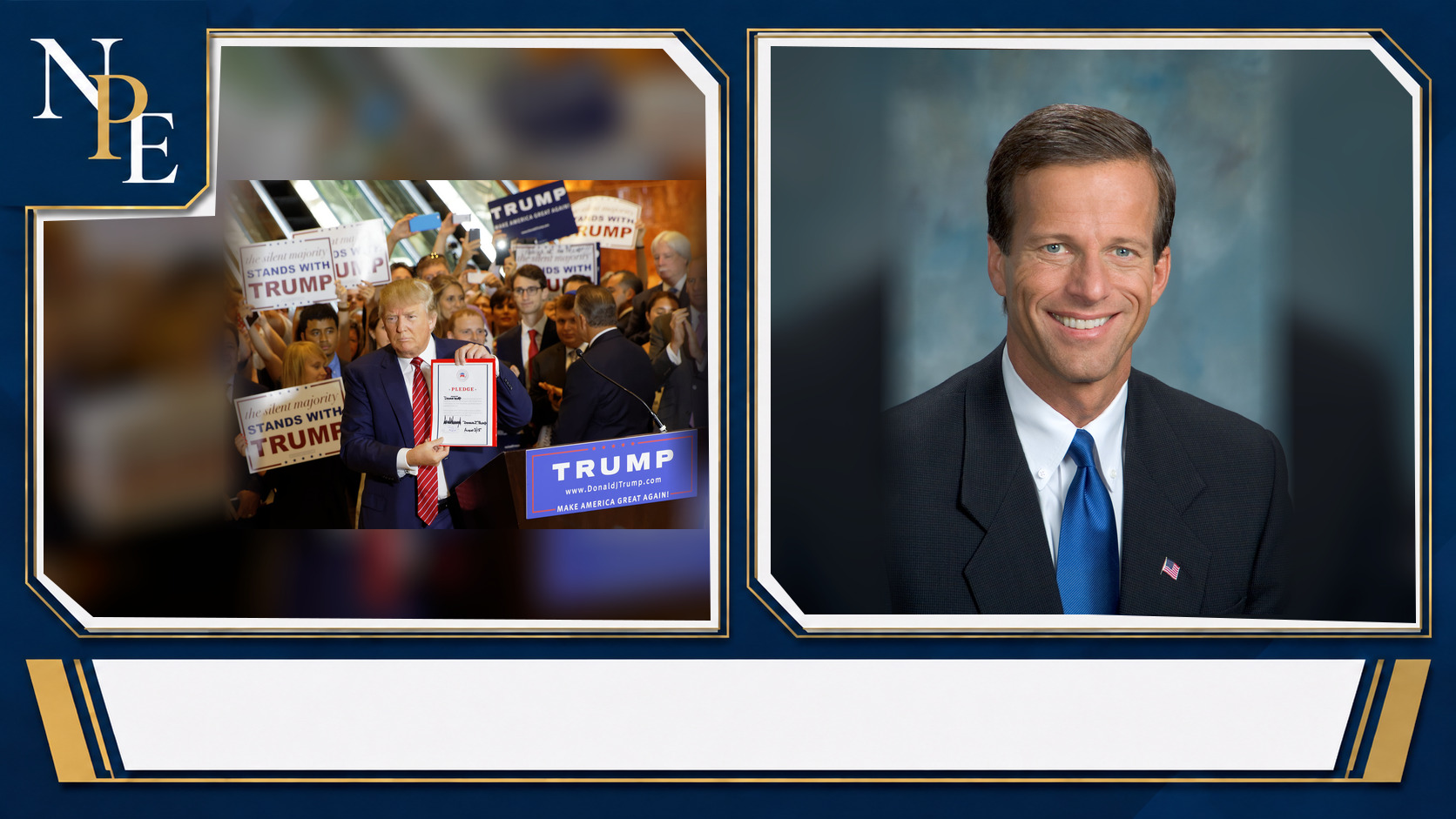
A GOP governing alliance that once looked disciplined is showing visible strain in the Senate. The immediate disputes involve nominations, election legislation and foreign policy — all arriving as Republicans prepare to defend their congressional majorities.
Republicans are turning against some of President Donald Trump’s plans, with tensions between Trump and Republican senators rising ahead of the midterm elections. The disputes have put Senate business under pressure as GOP lawmakers face Trump’s push for voting legislation, an abruptly delayed nomination and sharp criticism of his Iran policy.
The conflict matters because Republicans are trying to defend their majorities in November while showing they can govern. There is no broad Senate revolt against Trump, but the public pushback suggests the White House and Capitol Hill are no longer operating with the near-total alignment they displayed a year ago.
Trump’s demands meet Senate limits
According to an Associated Press report published by PBS NewsHour, the relationship between Trump and Senate Republicans worsened after he disrupted efforts to quickly confirm one of his own nominees and linked renewal of a major surveillance law to new conditions.
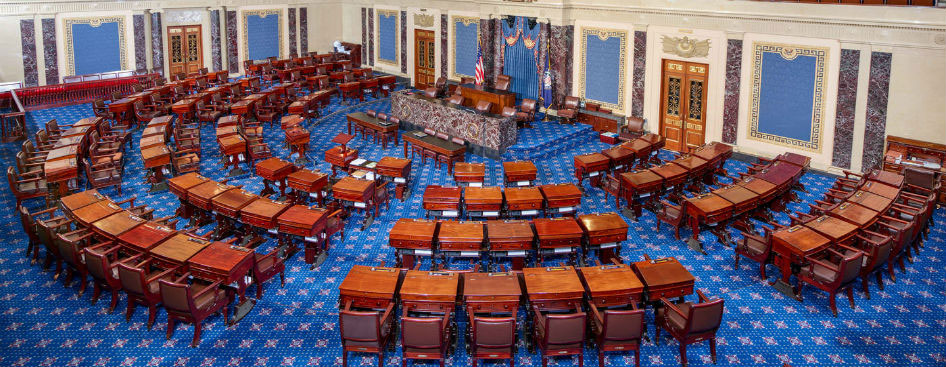
Trump also has pressed Senate Majority Leader John Thune to eliminate the filibuster and pass the SAVE America Act, a proposal described in the report as requiring proof of citizenship for voting. Thune has said publicly and privately that the votes are not available either to end the filibuster or to pass the measure.
That is a basic but politically important divide. A president can demand action, but the Senate’s rules and vote count still determine whether an idea can become law. Thune has scheduled floor time for the voting bill, signaling support for the goal while making clear that the chamber cannot simply produce the outcome Trump wants.
A nomination delay deepens frustration
The immediate Senate friction intensified when Trump said he was delaying Jay Clayton’s nomination to become national intelligence director, just hours before a confirmation hearing tied to a U.S. attorney position, the AP report said.
Sen. Thom Tillis of North Carolina reacted bluntly, saying someone was not explaining to the president the complexities of what had happened. The remark stood out in a party where direct public criticism of Trump had been scarce during the earlier push for a large tax-and-spending package.
For senators, nominations are not merely White House announcements. They involve committee schedules, negotiations, floor time and political commitments made to colleagues. Sudden reversals can make Senate leaders look ineffective even when the decision originates at the White House.
That practical frustration helps explain why the current dispute is larger than a single personnel fight. It raises questions about whether the Republican Senate can maintain a predictable legislative calendar while responding to a president who may change course publicly and quickly.
Iran policy creates sharper language
Foreign policy has added a more serious layer to the split. Several Republican senators criticized Trump’s agreement intended to end the Iran war, according to the AP report. Sen. Bill Cassidy of Louisiana called it “the worst foreign policy blunder in decades” in a post on X.
Such criticism does not mean Senate Republicans share one view on Iran. First-term Ohio Sen. Bernie Moreno, a Trump ally, strongly defended the agreement online. That contrast captures the party’s challenge: skepticism is becoming more visible, but Trump still has committed supporters in the conference.
The disagreement also reflects a familiar separation-of-powers tension. Senators can support a president’s broad objectives while resisting what they see as an attempt to narrow Congress’s role in war powers, intelligence oversight or foreign-policy decisions.
Midterm pressures change the calculation
The timing makes every disagreement more consequential. Republican incumbents and candidates heading into the November midterms must satisfy a party base that remains closely tied to Trump while persuading broader electorates that Congress is focused on governing rather than internal conflict.
A year earlier, Senate Republicans expected to campaign on their cooperation with Trump in passing a major package of tax cuts and spending measures. Now, the AP report says, Trump has become especially focused on the voting proposal, while senators are confronting competing demands involving funding, intelligence leadership and Iran.
For lawmakers in difficult races, public distance from the president can carry risks. But silence has risks too when constituents see legislative work stalled or when a White House decision puts senators in an awkward position. The result is not necessarily rebellion; it is a more complicated political balancing act.
Thune becomes the pressure valve
Thune sits at the center of the tension because he must manage Senate procedure, protect his members and maintain a working relationship with Trump. The report describes frequent conversations between the two, even when Thune is delivering unwelcome news about what the Senate can pass.
Several Republicans have portrayed Thune as a stabilizing figure rather than an antagonist. Sen. Eric Schmitt of Missouri, a close Trump ally, said he had not heard Trump speak negatively about Thune. Sen. Mike Rounds of South Dakota called the majority leader a stable force.
That relationship may be one reason the conflict has not become an all-out leadership war. Trump’s past attacks on former Majority Leader Mitch McConnell showed how personal a dispute with a Senate leader can become. So far, the disagreement with Thune appears more rooted in institutional limits than a direct personal rupture.
Critics are louder, not yet dominant
There are still no signs of a coordinated Senate GOP break with Trump. The AP report specifically noted that many Republicans have no intention of separating themselves from him, even as some criticize particular decisions.
Still, Trump’s own interventions have altered the conference. Cassidy and Texas Sen. John Cornyn lost primaries after Trump backed their opponents, while Tillis chose not to seek reelection after repeated criticism from Trump. All three have since become more frequent critics.
That leaves an unsettled question for the months ahead: whether these disputes remain episodic fights over nominations, the filibuster and foreign policy, or develop into a sustained obstacle to the Republican agenda. For now, the clearer outcome is a Senate Republican conference trying to contain visible fractures without breaking from the president who still defines much of its politics.
Leave a Reply