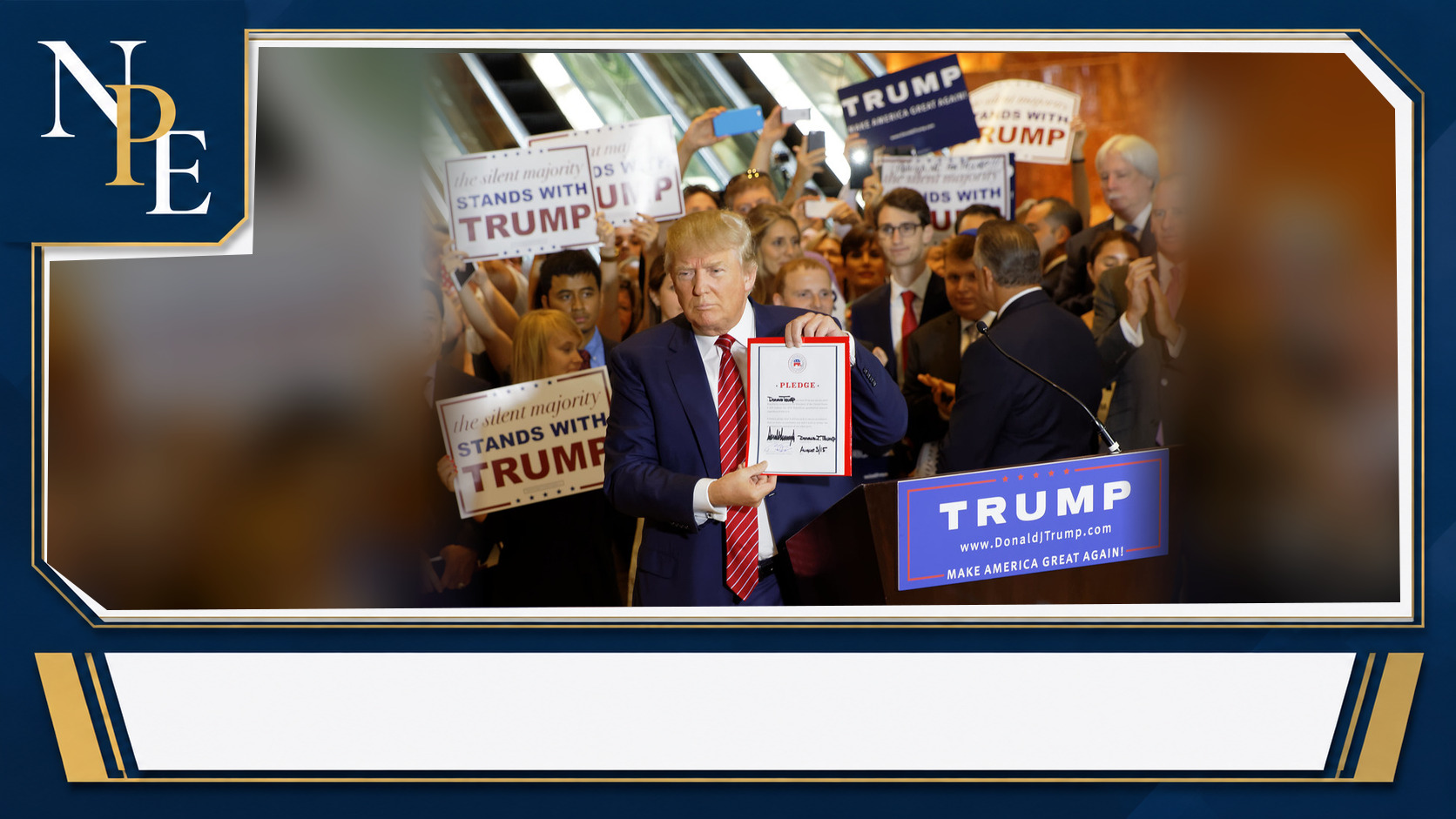
Trump’s unusual response put fresh attention on a policy meant to ease high beef prices. The larger question is whether tariff relief can reach grocery shoppers without undercutting U.S. cattle producers.
Donald Trump was asked which countries were involved in a beef deal tied to imports into the United States, and Trump made what critics described as a bizarre comment in response. The question matters because the administration has announced steps to temporarily ease tariff treatment for ground beef: a reported 90-day plan involving up to 300,000 metric tons and a claim that the beef could sell 25% below current prices, alongside a separate Argentina import measure.
What remains hard to pin down is the full country list behind the broader beef-import initiative. That gap has become central to the debate over whether importing more beef can quickly help U.S. consumers while limiting the downside for American ranchers.
The question behind Trump’s response
The question put to Trump was straightforward: which countries would supply the beef under the deal or import arrangement being discussed? It came after the administration presented greater access to imported ground beef as a response to unusually high prices and constrained domestic supplies.
The available reporting establishes the broad policy goal but does not provide a complete, definitive public list of countries for the reported 90-day, 300,000-metric-ton plan. That makes a precise answer important. Trade policy is not just a promise of more product; the country of origin can determine tariff treatment, sanitary rules, shipping capacity and the effect on domestic producers.
Trump’s response drew attention because it did not plainly resolve that basic question. The episode has since been framed as an awkward moment, but the more consequential issue is informational: consumers, ranchers and importers still need the operating details.
What the import plan promises
Reuters reported that Trump was moving to temporarily ease U.S. beef tariffs for 90 days. The Wall Street Journal reported that the administration would permit up to 300,000 metric tons of ground beef to enter the United States without triggering higher tariff rates during that period.
Trump said there was a commitment for the imported beef to be sold at 25% below then-current market prices, according to the Journal’s report. That is an unusually specific consumer-facing claim, and it raises practical questions about how the commitment would be structured, monitored and passed through from importers and processors to retail shelves.
A tariff-rate quota generally allows a set volume of goods to enter at a lower tariff. Once that volume is filled, a higher tariff can apply. Such a mechanism can increase supply without permanently opening the market on the same terms for unlimited imports.
- Duration: The reported broader relief lasts 90 days.
- Volume: The reported ceiling is 300,000 metric tons of ground beef.
- Price claim: Trump said the beef would be sold 25% below current prices.
- Open question: Publicly available reporting does not fully identify which countries would supply the broader volume.
Argentina is a separate confirmed piece
Argentina is specifically named in a White House fact sheet describing another measure: an additional 80,000 metric tons per year of lean beef trimmings, imported tariff-free in four quarterly installments of 20,000 metric tons.
Lean beef trimmings are particularly relevant to ground beef, which is often made by blending lean and fattier cuts. The White House said its action was intended to supplement supply and make ground beef more affordable amid current shortages.
That Argentina policy should not automatically be treated as identical to the reported 90-day, 300,000-metric-ton initiative. The numbers, time frames and product descriptions differ. The overlap in public discussion is understandable, but the distinction matters when trying to answer the question of which countries are involved in any particular deal.
The White House said the Agriculture Department, in consultation with the U.S. Trade Representative, would monitor lean-beef supplies and imports and advise on any further action. That leaves room for additional decisions, but it is not the same as a confirmed roster of suppliers for the broader temporary plan.
Why ground beef is under pressure
The administration’s argument begins with supply. In its fact sheet, the White House said the U.S. cattle herd had fallen to 86.2 million head as of January 2026, a record low, and that beef-cow inventory was down 8.6% from 2020.
It attributed the strain to years of drought and wildfires that reduced grazing and feed supplies. It also said restrictions on cattle imports from Mexico after detections of New World screwworm had constrained feedlot supplies.
The White House cited an average ground-beef price of $6.69 a pound in December 2025, describing it as the highest since the government began tracking the series in the 1980s. Higher retail prices are the political rationale for acting quickly, particularly on a staple that many households buy regularly.
Import advocates argue that extra lean beef can help processors meet demand and moderate prices. They also note that supply disruptions cannot be repaired overnight: rebuilding a cattle herd takes time, and a temporary import option may provide a bridge.
Ranchers see a competing risk
The plan has also drawn concern from cattle producers. Higher cattle prices can reflect scarcity, but they also support ranchers who have endured years of expensive feed, weather losses and herd reductions. A sudden influx of lower-tariff beef could weaken prices received by domestic producers, depending on volume and timing.
That tension is at the center of the policy. A measure can be designed to lower the cost of ground beef for shoppers while still creating uncertainty for producers who are deciding whether to retain breeding stock and expand their herds.
The White House has argued that it is pursuing both goals: affordable beef for consumers and support for ranchers. Skeptics will look for evidence in the details, including whether the imported product is truly additional supply, how it is distributed, and whether the retail-price promise is independently verifiable.
The details that still matter
The countries involved are not a side issue. Beef imports must meet U.S. food-safety and animal-health requirements, and trade access can be affected by bilateral agreements, quotas and disease controls. A country list would help clarify how quickly the announced volume could realistically reach U.S. processors and retailers.
It is also unclear how consumers would recognize any savings. Grocery prices reflect more than import tariffs: processing, transportation, retail margins, regional supply and the specific type of beef all affect what appears on a price tag. A 25% commitment for imported product does not necessarily mean every package of ground beef will immediately cost 25% less.
For now, the clearest confirmed country-specific action is the Argentina quota described by the White House. The reported broader 90-day plan has a larger stated volume and a sharper price promise, but its country-by-country structure needs fuller public explanation.
Trump’s answer may have generated the immediate attention. The lasting test will be simpler: whether the administration can identify the supply sources, explain the rules and show that the policy lowers grocery bills without leaving U.S. ranchers to absorb the cost.
Leave a Reply