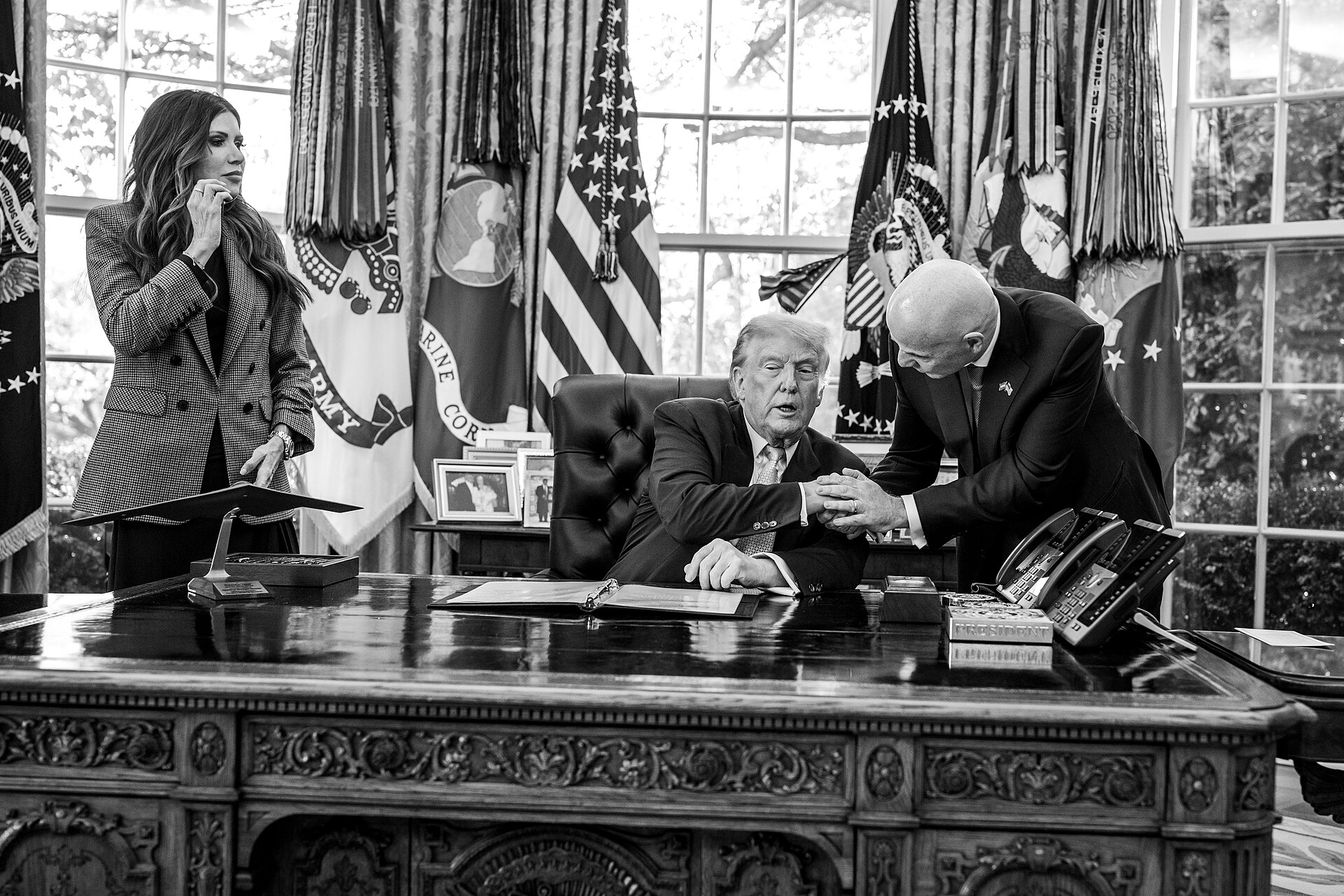
A red-card dispute involving U.S. striker Folarin Balogun has become a bigger test of FIFA’s independence. The question is not just what Trump asked for, but how openly FIFA can explain its process.
Gianni Infantino responded angrily to criticism over the World Cup, and Donald Trump was mentioned in the response as FIFA faced questions about a decision involving U.S. striker Folarin Balogun. The World Cup controversy involving FIFA centers on Trump’s Monday intervention and the scrutiny that followed by Wednesday in the United States.
Infantino makes sure the dispute is not treated as a routine refereeing argument. By invoking Trump while pushing back at World Cup critics, the FIFA president turned a disciplinary row into a broader debate over power, access and whether soccer’s global governing body crossed a line.
Why Trump’s call matters
Reuters reported that President Donald Trump said on Monday he asked FIFA President Gianni Infantino to review a red card issued to Folarin Balogun. That is the core fact driving the controversy: a head of state said he personally raised a disciplinary matter with the head of world soccer.
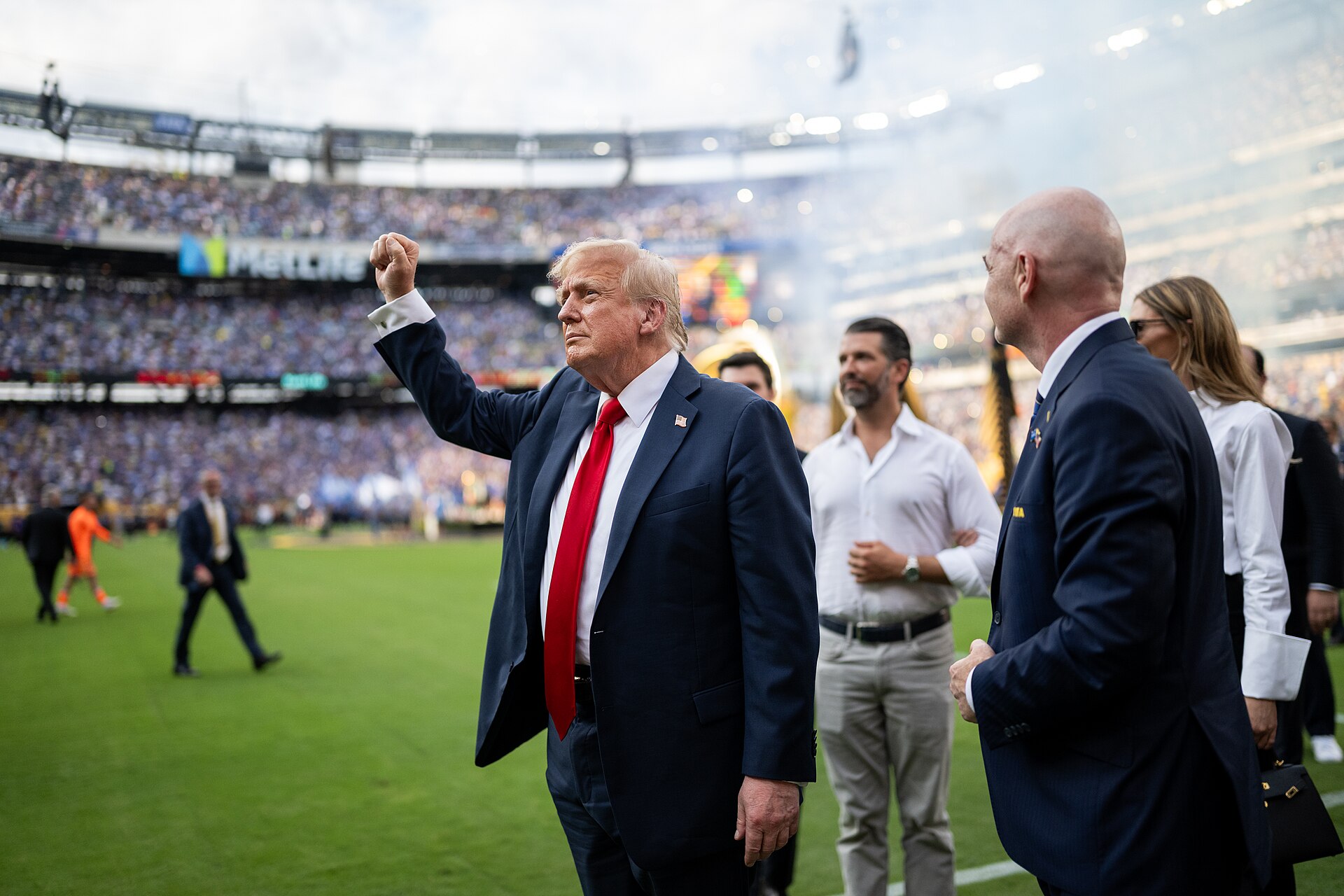
On its own, asking for a review is not the same as ordering an outcome. The available reporting cited here does not establish that Trump’s request changed FIFA’s handling of the case.
Still, the optics are obvious. Red cards can affect suspensions, lineups and competitive balance. When a president with a direct relationship to FIFA’s leader gets involved, critics see a risk that normal sporting channels are being bypassed.
That is why this has lasted beyond the original foul. The issue is no longer only whether Balogun deserved a red card. It is whether FIFA can convince the public that its process remained independent after a politically powerful figure made a personal appeal.
Infantino chose confrontation
The Financial Times described Infantino as lashing out at World Cup critics and accusing them of being “consumed by hate.” That tone matters because it suggests FIFA is not merely offering a procedural explanation. Its president is fighting a political and reputational battle.
Infantino’s response did more than defend the tournament. It made Trump part of the argument, which is why the backlash has spread beyond soccer forums and into the wider debate over the relationship between sports bodies and political power.
For FIFA’s defenders, Infantino is pushing back against critics who they believe are eager to turn every World Cup dispute into proof of institutional failure. Major tournaments attract pressure, complaints and partisan interpretations. A governing body has to defend its authority.
For skeptics, the anger is the problem. A sharp retort can make FIFA look more concerned with loyalty and image than with transparency. In a disciplinary controversy, tone can either reassure fans or deepen suspicion.
Balogun became the flashpoint
Folarin Balogun’s role is central because he is not an abstract name in a governance dispute. He is a U.S. striker whose availability can shape a match plan, a locker room and the mood around the national team.
A red card is among the most consequential calls in soccer. It can decide a game in the moment and carry punishment afterward. That is why review and appeal systems exist, and why they need to be seen as insulated from outside pressure.
The dispute has two competing readings. One says Trump merely advocated for an American player and asked the top soccer official to take another look. The other says even that request creates an improper channel, because ordinary teams and players do not have presidential access to Infantino.
FIFA can be technically correct and politically vulnerable at the same time. Even if a review followed the rules, the public may still want to know who reviewed the case, what standard was applied and whether any outside contact was disclosed.
The Trump-Infantino relationship
The Trump-Infantino relationship is drawing scrutiny because the access appears direct. Reuters reported Trump said he asked Infantino to review the Balogun red card, making the FIFA president not just a background figure but the person at the center of the appeal.
FIFA leaders routinely deal with governments. World Cups require cooperation on security, travel, stadiums, labor, policing and public events. In that sense, politics and soccer cannot be fully separated at the tournament level.
But disciplinary independence is a different category. A government may help stage a tournament, but it should not appear to influence sporting justice. That line is what critics believe FIFA blurred in this episode.
Supporters of Infantino may argue that direct communication with political leaders is part of his job, especially when the World Cup is being watched by global audiences and hosted in politically sensitive environments. The harder question is whether the same access should ever touch an on-field punishment.
Did FIFA cross a line?
The accusation that FIFA crossed a line rests on appearance as much as proof. Critics do not need to show that Trump dictated a decision to argue that the process looks compromised. In sports governance, trust often depends on what the public can see.
The counterargument is also real. A review request is not a verdict, and governing bodies are supposed to correct mistakes when evidence supports it. If FIFA’s disciplinary officials acted independently, Trump’s comment may have been noisy but irrelevant.
That is why the missing details matter. FIFA’s best defense would be a clear timeline: when the red card was reviewed, who participated, what evidence was considered and whether Infantino had any role beyond receiving or hearing about Trump’s request.
Without that clarity, Infantino’s angry response risks becoming the story. Instead of ending criticism, it gives critics a sharper claim: that FIFA is more willing to scold doubters than explain how it protected the process.
What FIFA still needs to answer
The practical questions are narrow, but important. They are not about whether Trump wanted a favorable outcome for a U.S. player. They are about whether FIFA can show that the outcome, whatever it was, came through normal channels.
- Who reviewed the Balogun red-card matter, and under which FIFA procedure?
- Did Infantino pass along Trump’s request, comment on it internally or remain outside the process?
- Was the communication recorded, disclosed or treated like any other outside contact?
- Was the handling consistent with comparable red-card reviews?
Those answers would not satisfy everyone. World Cup critics who already distrust FIFA may view any explanation through that lens. Infantino’s allies may see the controversy as an overreaction to a routine review request.
But this is why the story matters now. A World Cup is not only a sporting event; it is a stress test for the institution running it. Infantino can fire back at critics, and Trump can say he asked for a review. FIFA’s harder task is proving that access did not become influence.
Leave a Reply