The fight is not just over the size of the oil haul. It is over who can verify how Venezuelan revenue is being held, spent and monitored by the Trump administration.
Trump said the U.S. has collected more than $13 billion from Venezuelan oil sales, and lawmakers are demanding an audit of the Trump administration’s handling of Venezuela oil money. The dispute centers on who controls the revenue, how it is being managed and whether Congress can verify the books.
The figure matters because the administration says the money is funding Venezuela after Nicolás Maduro’s capture and overthrow on Jan. 3, while Democratic lawmakers want a clearer accounting of sales, disbursements and safeguards.
A $13 billion claim lands
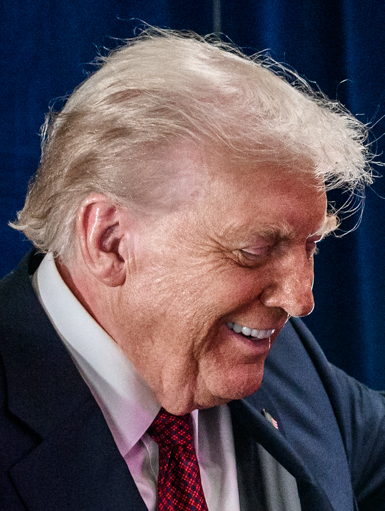
President Donald Trump addressed the figure after a Financial Times report estimated the administration’s proceeds from Venezuelan crude sales. According to CNBC, Trump told reporters aboard Air Force One that the total was not only accurate but possibly low.

“$13 billion from Venezuela? I think even more than that,” Trump said while traveling to Michigan to tour a General Motors facility, according to CNBC. He added: “We’ve paid for that war many times over.”
Trump also said the money is being used to run Venezuela. That statement is now at the center of the political fight: if the funds are Venezuelan public money held by the U.S. in a custodial role, lawmakers want to know who signs off on spending, who reviews it and what documentation exists.
The administration’s position, as described by officials in congressional testimony and interviews, is that the program is controlled, audited and tied to approved uses. Democrats are pressing for proof detailed enough to satisfy Congress, not just assurances from Cabinet officials.
How the oil program works
The U.S. seized control of Venezuela’s oil exports after Maduro was captured in a military raid on Jan. 3, according to CNBC’s account of the administration’s actions. Washington has largely left Venezuela’s government structure in place while working with interim President Delcy Rodríguez, who previously served as Maduro’s vice president.
Energy Secretary Chris Wright told Semafor in April that the U.S. had sold around 150 million barrels of Venezuelan oil since January. That volume helps explain how the reported revenue could reach into the tens of billions, depending on timing, pricing, contracts and costs.
The arrangement is unusual because it blends foreign policy, oil-market management and public finance. The money is not described by the administration as ordinary U.S. revenue. Secretary of State Marco Rubio told Congress that the funds belong to the Venezuelan government and are held by the United States in a custodial capacity under Trump’s Jan. 9 executive order.
That distinction matters. If the money is Venezuelan property, the core question is not simply how much the U.S. collected. It is whether the U.S. is acting as a transparent custodian and whether Venezuelans, Congress and auditors can track every major movement of the funds.
Lawmakers want more than assurances
Democrats in Congress have pushed the administration to disclose how much has been collected, how much has been spent, what remains in accounts and what oversight applies. Their demand for an audit reflects a broader concern: a multibillion-dollar oil program can become opaque quickly if sales, accounts and disbursements are spread across agencies and jurisdictions.
Rubio told Congress in June that KPMG is auditing the oil sales. He said the process is ongoing, not a once-a-year review, and that every expenditure and disbursement is audited. He also said the money is held in a Citibank account.
That is a significant claim of oversight, but it does not end the dispute. Lawmakers can still demand the audit scope, the engagement terms, the list of accounts, internal controls, spending categories and any exceptions flagged by auditors.
There is also a political trust gap. Trump has described the money in sweeping terms, including as a way to cover the costs of the conflict. Critics are likely to focus on whether that rhetoric matches the legal framework that says the funds are Venezuelan property held by the U.S., not a discretionary American war chest.
The account trail raises questions
The money trail has already shifted. Wright said in February that the administration initially deposited $500 million in sales into an account in Qatar controlled by the U.S. government. Officials later set up a Treasury account and stopped sending money to the Qatar account, according to CNBC’s reporting.
That sequence is one reason the audit demand has traction. Temporary accounts can be practical during a fast-moving operation, but they also raise questions about documentation, authorization and reconciliation once a permanent structure is created.
State Department official Michael Kozak told Congress in April that roughly $3 billion had been disbursed from the Treasury account. He said the funds were used for approved purposes, including salaries for Venezuelan government workers and supplies for the country’s oil industry.
Those uses could be defensible if the goal is to keep Venezuela’s state functions and energy infrastructure operating. They also create obvious oversight pressure: payroll, procurement and oil-sector supplies are categories where waste, favoritism or political leverage can be difficult to detect without detailed records.
Why the audit fight matters
The controversy is bigger than one dollar figure. It tests how much visibility Congress gets when an administration controls foreign assets during a post-conflict or transitional political arrangement.
Supporters of the administration’s approach can argue that the U.S. needed to stabilize Venezuela quickly, preserve oil output and prevent revenue from being captured by Maduro loyalists or corrupt networks. In that view, custodial control and rapid disbursement are tools for order, not abuse.
Skeptics see a different risk. When one government controls another country’s oil revenue, even temporarily, accountability must be unusually strong. The money belongs to Venezuela, but decisions are being made through U.S. officials, U.S.-selected banking arrangements and an audit process whose full details have not been publicly tested.
The $13 billion figure sharpens the stakes because it is large enough to shape Venezuela’s political transition and large enough to attract scrutiny from Congress, watchdogs and oil-market participants. If the administration’s controls are as robust as Rubio says, lawmakers may still want documentary evidence before accepting the program as clean.
What remains unclear
Several basic questions remain unresolved in the public record. The administration has described auditing, banking and approved spending, but Congress is asking for a fuller picture of the total program.
- How much revenue has been collected to date, and how often is that total updated?
- How much money remains in custodial accounts after disbursements?
- What exactly did KPMG audit, and will Congress see the findings?
- Who approves spending requests before Rubio authorizes disbursements?
- What happened to the initial Qatar account after deposits stopped?
Those questions do not prove wrongdoing. They do show why lawmakers are unlikely to drop the matter based only on public statements from Trump and Cabinet officials.
The cleanest resolution would be a detailed accounting that separates gross oil sales from net proceeds, lists disbursements by category and explains the safeguards around every account used. Until then, Trump’s boast about more than $13 billion in Venezuelan oil sales will remain both a political talking point and an oversight target.
Leave a Reply