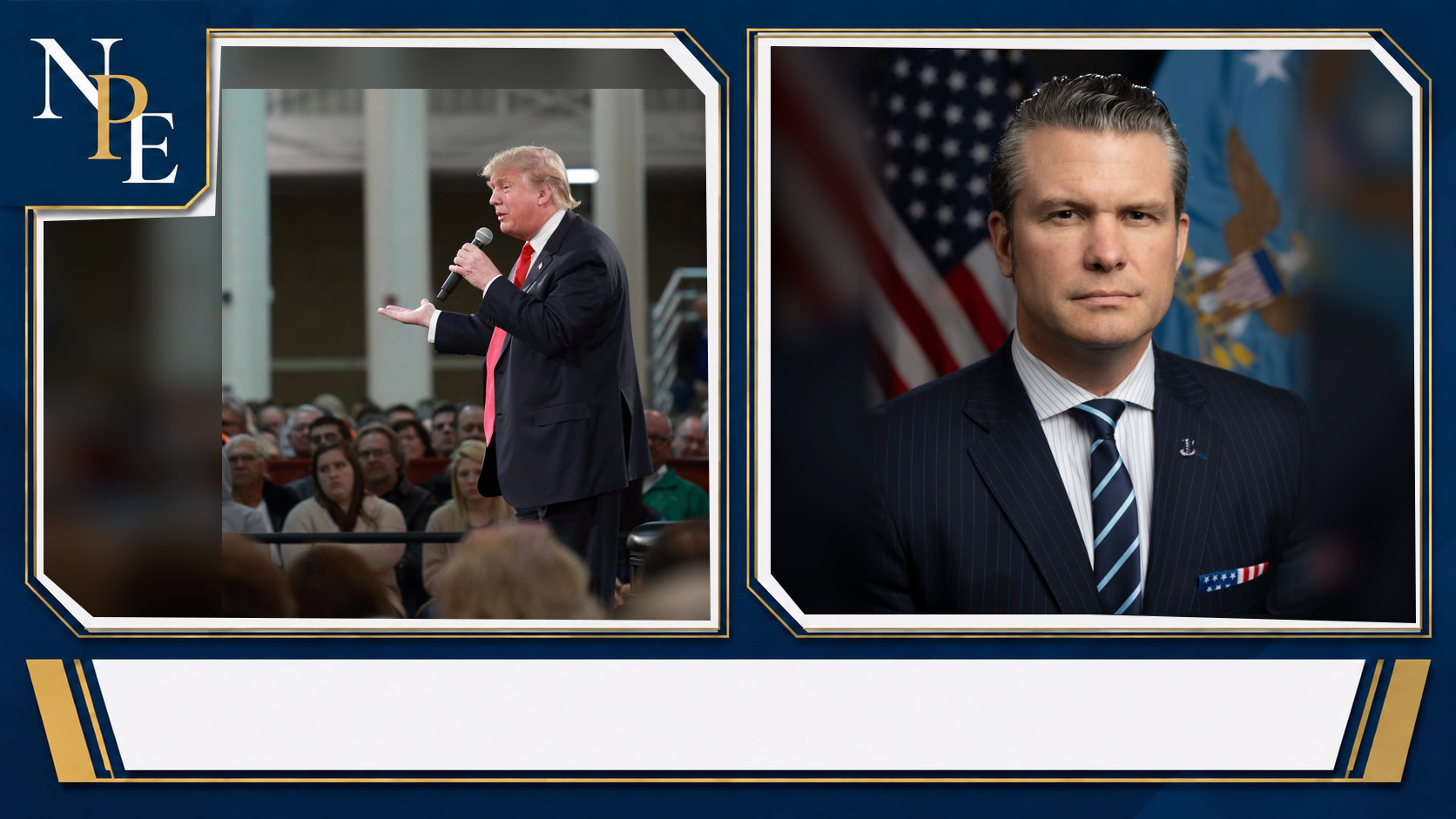
The reported call adds a new layer to the abrupt retirement of Gen. Randy George, whose term as Army chief was expected to run until 2027. It also raises fresh questions about who drove one of the Pentagon’s most consequential leadership changes.
Donald Trump reportedly blamed Pete Hegseth for the Army chief’s firing in a private call with a Republican senator and asked that Gen. Randy George be told he was sorry. The reported conversation, described by Mediaite, concerns George’s abrupt April 2026 removal as chief of staff of the Army and could complicate the Pentagon’s public account of a leadership change.
George was asked to retire immediately before the normal end of his four-year term. The central question is whether Hegseth acted with Trump’s full backing, as the administration’s broader military shake-up suggested, or whether Trump later sought distance from the decision.
What the reported call says
Mediaite reported that Trump discussed George’s departure during a call with an unnamed Republican senator. According to that account, Trump faulted Defense Secretary Hegseth for the move and said the general should be told that Trump was sorry.
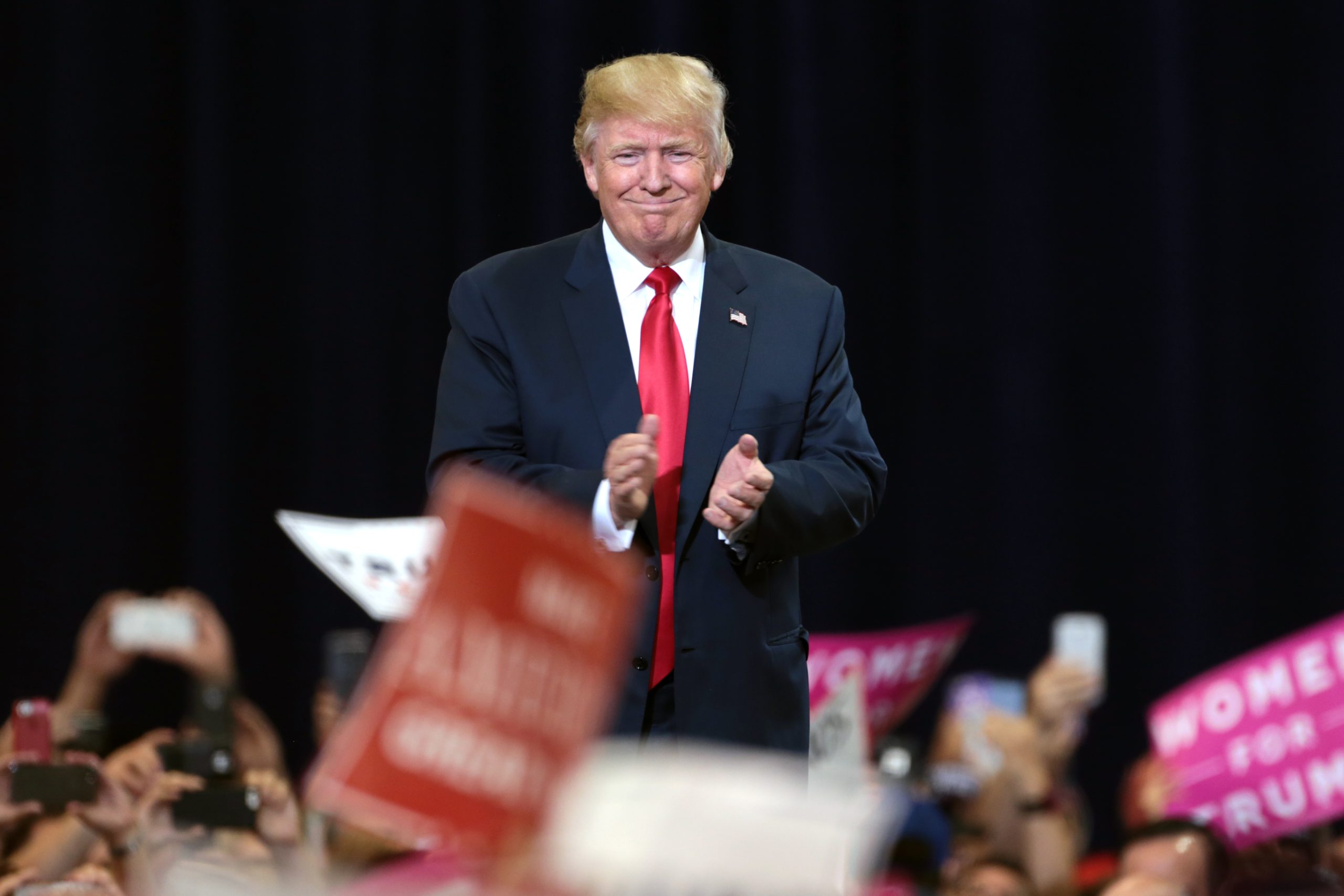
The account involves a private conversation, not a public statement or a transcript. Neither Trump nor Hegseth is quoted directly in the material provided, and the identity of the senator was not established in the report summary available here.
That leaves important details unresolved: when the call occurred, whether Trump objected before George’s removal, and whether an apology was ever conveyed to George. Those distinctions matter because the president is commander in chief, while the defense secretary oversees the Pentagon and implements the administration’s defense policy.
George’s exit was unusually abrupt
CBS News reported on April 2 that Hegseth asked George to step down and take immediate retirement. Pentagon spokesperson Sean Parnell said George would retire from his position as the 41st chief of staff of the Army effective immediately.
George had been nominated by President Joe Biden and confirmed by the Senate in 2023. The Army chief of staff typically serves a four-year term, which meant his tenure ordinarily would have extended into 2027.
The Pentagon’s public message framed the departure as a change in leadership. A senior Defense Department official told CBS that it was time for a new Army leader, while a source told the outlet Hegseth wanted someone who would implement the president’s and defense secretary’s vision for the service.
Calling the move a retirement does not erase the significance of the circumstances. A senior officer asked to leave immediately before completing a standard term is plainly different from a routine, scheduled succession.
The Pentagon named Hegseth’s preferred successor
Gen. Christopher LaNeve, then the Army’s vice chief of staff, became acting Army chief after George’s exit. LaNeve had previously served as Hegseth’s military aide, a connection likely to draw attention given the stated desire for an officer trusted to carry out the administration’s plans.
Parnell described LaNeve as a battle-tested leader with decades of operational experience who was completely trusted by Hegseth. Supporters of a rapid transition can point to that experience and to the administration’s right to install leadership aligned with its priorities.
Critics, however, may see the reported Trump call as evidence that the internal process was less settled than the public messaging indicated. The available reporting does not establish whether Trump approved the selection of LaNeve or disagreed only with how George was removed.
A broader turnover at the top
George’s departure did not occur in isolation. CBS reported that Hegseth had removed more than a dozen senior military officers, including former Joint Chiefs Chairman Gen. C.Q. Brown, former Chief of Naval Operations Adm. Lisa Franchetti, Air Force Vice Chief of Staff Gen. James Slife and former Defense Intelligence Agency chief Lt. Gen. Jeffrey Kruse.
Two additional Army officers were also removed in the same period: Gen. David Hodne, who led the Army’s Transformation and Training Command, and Maj. Gen. William Green, head of the Army Chaplain Corps, according to CBS and sources cited in its reporting.
Administrations routinely select senior officials who share their priorities, and civilian leaders have broad authority over military leadership. Still, the scale and speed of the changes have made each removal a larger institutional story, particularly when the officer involved holds a Senate-confirmed post with an established term.
Why the apology claim matters
If accurately reported, Trump’s request that someone “tell the general” he was sorry would signal more than personal regret. It would suggest Trump believed George had been treated unfairly, or at least that the outcome had created political or institutional fallout worth addressing.
It also creates a potential accountability problem for the administration. The Pentagon publicly credited the leadership transition to a need for change and an effort to advance Trump and Hegseth’s vision. Trump privately assigning responsibility to Hegseth would sit awkwardly beside the idea of a fully coordinated decision.
There is another plausible reading: Trump may have supported changing Army leadership while objecting to the timing, execution or treatment of George. The reporting available does not settle that question, and no public explanation from Trump has been provided in the source material.
Questions still need public answers
George is a career infantry officer and West Point graduate who served in the Gulf War, Iraq and Afghanistan. Before becoming Army chief, he was vice chief of staff and had served as senior military assistant to former Defense Secretary Lloyd Austin.
His record makes the reported apology notable, but it does not by itself explain why he was asked to leave. CBS reported that a recent dispute over an Army aircrew was not the reason for George’s removal, according to one source, ruling out one obvious public flashpoint without providing a fuller rationale.
The most consequential unanswered issue is simple: who made the decision, and on what basis? Until Trump, Hegseth or the Pentagon provides a fuller on-the-record account, the reported senator call remains a significant but unverified window into a high-level personnel dispute.
For the Army, the immediate practical reality is clear. LaNeve is serving as acting chief, while George’s premature exit has become part of a wider debate over how the administration is reshaping the military’s senior ranks.
Leave a Reply