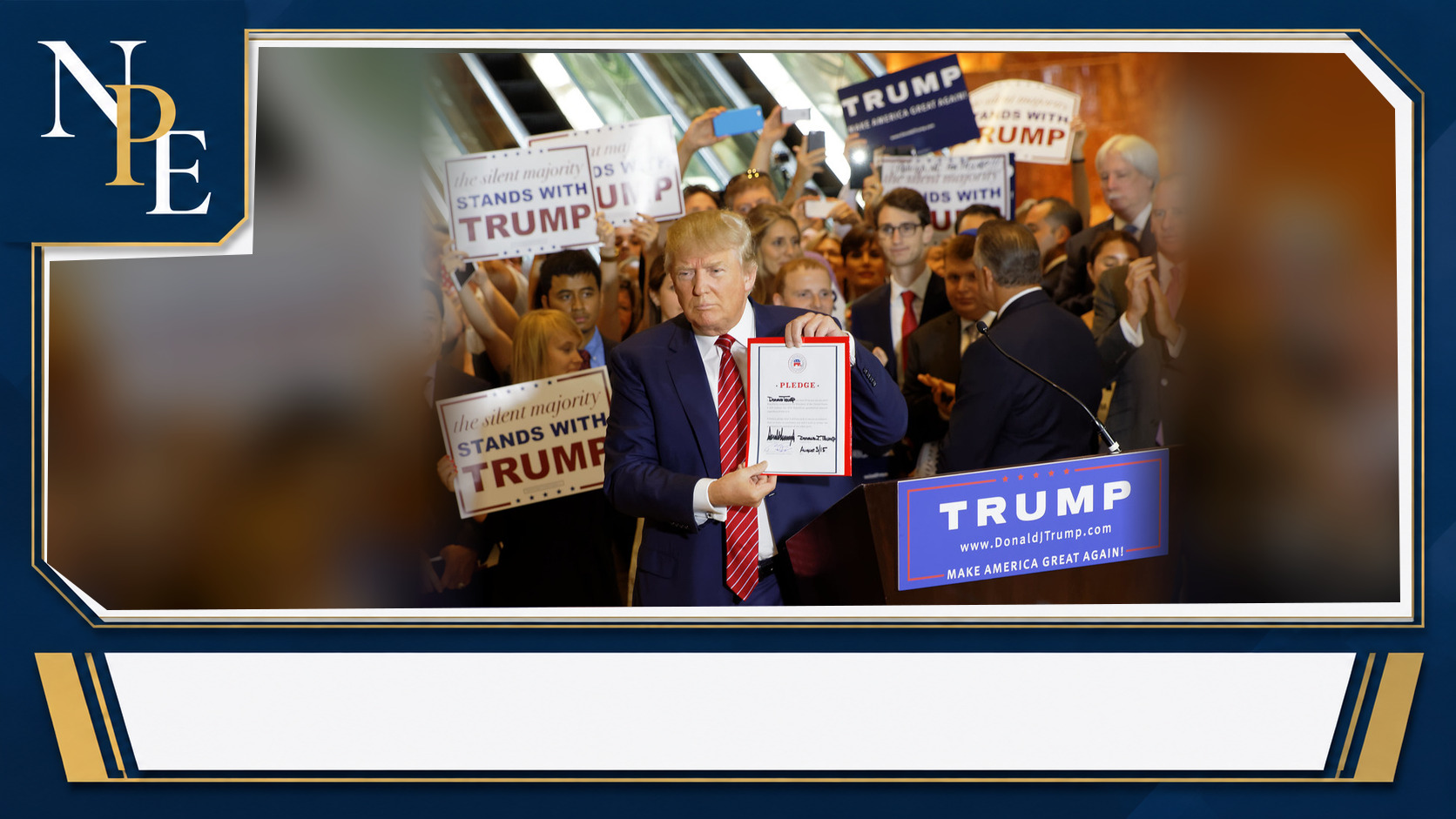
The proposed tariff relief is designed to bring cheaper imported ground beef into the U.S. market quickly. Whether shoppers see meaningful savings — without adding pressure on ranchers rebuilding cattle herds — remains the central question.
President Donald Trump plans to pause tariffs on ground beef imports into the United States for 90 days, covering up to 300,000 metric tons, under a proposal announced Aug. 21, 2026. The pause is intended to lower prices for U.S. consumers, but it has already opened a split between the White House’s affordability push and ranchers who say more imported beef could weaken the domestic industry.
Trump said foreign exporters would sell ground beef at a 25% discount in exchange for avoiding higher U.S. out-of-quota tariffs. The proposal could increase the supply available to grocery buyers in the near term, though the size and speed of any savings at the meat counter remain uncertain.
A short-term break on tariffs
The administration’s plan would ease tariffs on a limited quantity of imported ground beef rather than permanently rewrite the broader import system. A White House official said Trump was expected to sign an executive order within two weeks of the Aug. 21 announcement.
The stated goal is to fill a short-term gap between consumer demand and available domestic supply. Trump described the agreement as a way to reduce prices while allowing the U.S. cattle herd room to grow again.
The 300,000-metric-ton cap and 90-day duration matter. They suggest the policy is meant as a temporary market intervention, not a wholesale removal of protections that apply once import quotas are exceeded.
How the deal is supposed to work
Imported beef is generally subject to a tariff-rate quota system. Certain volumes can enter at comparatively low tariff rates; shipments above those country-specific limits face substantially higher out-of-quota tariffs.
According to a May analysis from the American Farm Bureau Federation, beef entering within quota generally faces a tariff of 4.4 cents per kilogram, while beef above quota faces a 26.4% tariff. Trump’s plan targets that higher tariff layer for qualifying ground beef imports.
Trump said foreign exporters would provide a 25% discount in return for avoiding the out-of-quota duty. In theory, that lowers importers’ costs and creates room for lower prices downstream. In practice, the final retail effect depends on contracts, transportation, processing, wholesaler pricing and grocery-store margins.
It also remains unclear which countries would participate. Trump declined to identify the nations involved when asked by reporters, leaving a key practical part of the arrangement unresolved.
Why beef prices are under pressure
The policy arrives while beef has become a visible grocery-budget concern. The U.S. Bureau of Labor Statistics reported that beef and veal prices were 9.4% higher in July than they were a year earlier.
Those figures do not mean every cut, package or store rose by the same amount. Ground beef prices vary by fat content, region and retailer. Still, the broader increase helps explain why the administration is seeking an action that could take effect faster than rebuilding the domestic herd.
U.S. cattle supplies have been constrained by years of drought and other disruptions. The USA TODAY report also cited concerns about New World screwworm near the Mexican border. With domestic supply tight, imported beef has played a bigger role in meeting demand.
The American Farm Bureau Federation said U.S. beef imports rose 122% over five years. More imports can help supplement available supply, but that same trend worries producers who believe their prices and incentives to expand are being undermined.
Ranchers see a different risk
The National Cattlemen’s Beef Association said it shares the goal of affordable groceries but opposed the policy. The group argued that bringing in government-subsidized, below-market beef would not help rebuild the American cattle herd.
That objection gets to the difficult tradeoff behind the plan. Consumers facing high meat bills may benefit if more supply leads to lower prices. Ranchers, meanwhile, may receive weaker market signals at a time when expanding herds requires major investments and time.
Some Republican senators from cattle-producing states voiced similar concerns. Sen. Tim Sheehy of Montana said he had urged Trump not to proceed, arguing that the move would further harm ranchers and make rebuilding the herd harder. Sen. Deb Fischer of Nebraska said lower grocery prices should not come at the expense of U.S. producers.
The criticism is notable because it comes from allies of the president, not only from political opponents. It reflects a genuine policy disagreement over whether a near-term price response could make the long-term supply problem worse.
Lower shelf prices are not guaranteed
A tariff change can reduce a cost faced by importers, but it does not automatically produce a matching reduction in supermarket prices. Supply-chain timing is one reason: imported beef must be purchased, shipped, processed and distributed before it reaches store shelves.
The deal’s promised 25% exporter discount could be important, but consumers do not yet know its precise terms, how much beef would qualify or how participating exporters would be selected. Those details will shape whether the measure meaningfully changes wholesale costs.
There is also a question of product mix. The announcement concerns ground beef imports, while the government’s 9.4% inflation figure covers beef and veal more broadly. Shoppers may see the clearest effect, if there is one, in products that rely heavily on lean imported beef blended into ground-beef offerings rather than across every steak and roast.
The political and market test ahead
Trump explicitly tied his focus on beef prices to what voters want ahead of the November midterm elections. For the administration, an improvement in a familiar grocery staple would offer a tangible response to persistent worries about the cost of living.
For ranchers, the test is whether the temporary import measure truly provides only a bridge while the government works to grow domestic production, as the White House official said, or whether it puts additional downward pressure on a sector already coping with limited herd numbers.
The next immediate step is the expected executive order. Until it is issued, important operational questions remain: which countries are included, what imports qualify, when the lower tariff treatment begins and how the 300,000-metric-ton ceiling will be administered.
The proposal is not a simple choice between expensive beef and cheap beef. It is an attempt to ease today’s grocery prices while preserving the conditions needed to increase U.S. cattle supply tomorrow — and its success will depend on whether it can do both.
Leave a Reply