The accounts are anecdotal, not a polling wave. But they land in a political moment when cost-of-living frustration is cutting across the map.
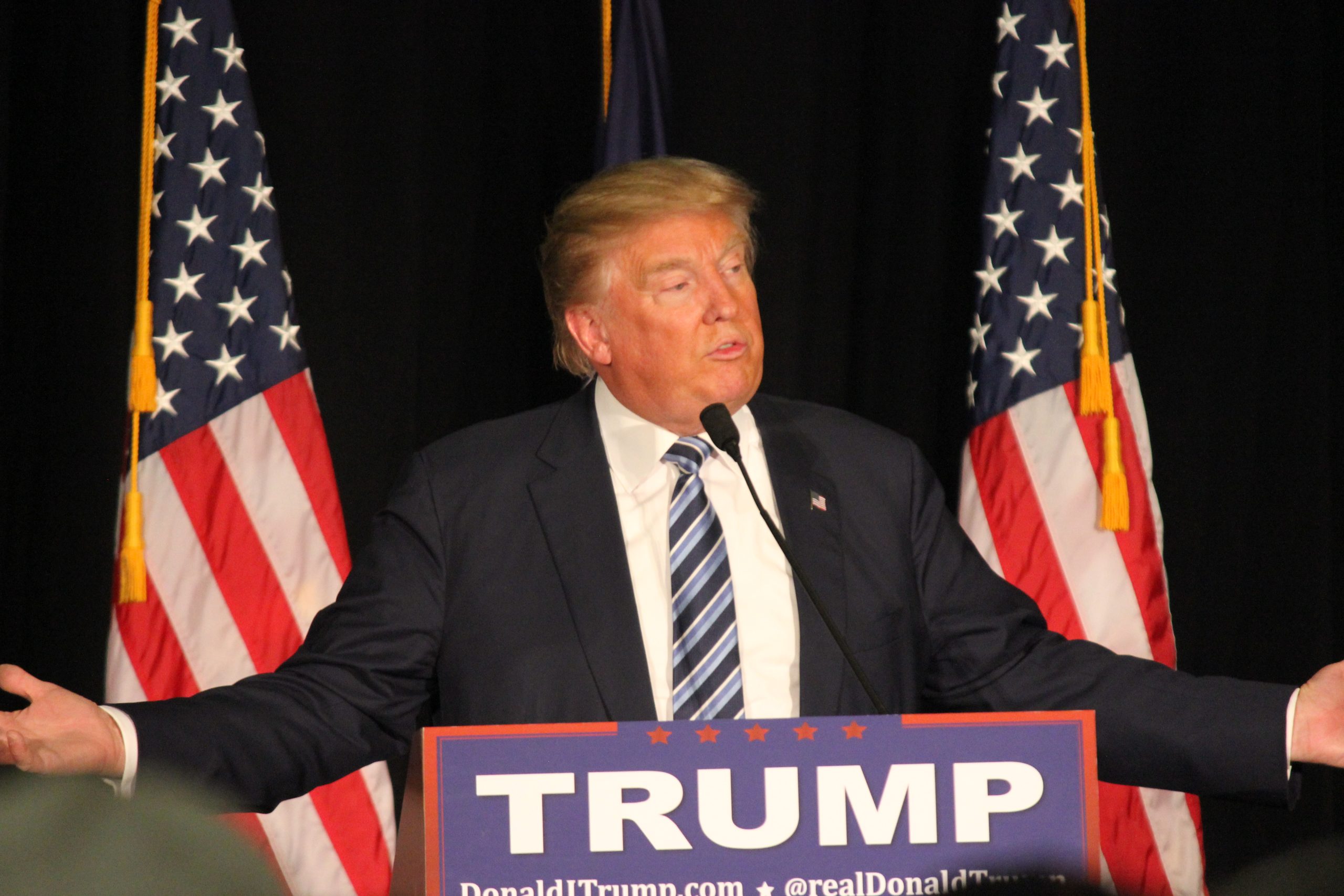
Red-state residents are angry at Donald Trump, and the anger is being described in starkly personal terms: some are selling blood to get by, and some are bursting into tears. The backlash, highlighted in a Raw Story report circulating on MSN, matters because it comes from Republican-leaning states where Trump has long drawn deep support and where economic pain is now colliding with political expectations.
The story is less about one dramatic phrase than about a larger pressure point in American politics: affordability. When voters who expected relief instead describe desperation, the political conversation moves from campaign slogans to grocery bills, rent, utilities and the humiliating search for cash.
Anger turns painfully personal
The phrase “red-state residents rage” is doing a lot of work because it suggests a break in the usual political script. Trump’s strongest political identity has been built on grievance, loyalty and the idea that he gives voice to people who feel ignored by elites.
But financial stress can scramble partisan habits. A voter may still prefer Trump on immigration, culture or party identity and still feel furious if daily life has not become cheaper. That is the tension these accounts capture.
Selling blood, or describing it that way, is a particularly sharp symbol. It says the household budget is no longer an abstraction. It has reached the body.
The tears matter for the same reason. Political anger often gets measured in votes, signs and rallies. Private breakdowns suggest something harder to quantify: shame, exhaustion and disappointment.
Affordability is the live wire
The Associated Press reported after 2025 elections that voters were sending Trump a warning that the economy did not feel as strong as he said it was. In that AP analysis, voters in several major contests named economic worries, high prices and the cost of living as central concerns.
Trump acknowledged in a Fox News interview quoted by AP that Republicans were not emphasizing affordability enough. “Republicans don’t talk about it,” he said. “They don’t talk about the word affordability.”
That admission helps explain why anecdotes from Republican-leaning places resonate. They fit into a broader national frustration: households hearing official confidence while feeling squeezed at the register, in rent payments and in monthly bills.
AP also noted the limits of reading too much into off-year results, since some of the races it analyzed were in areas friendlier to Democrats. Still, the economic message was hard to miss. Voters were not debating theory. They were judging whether life felt manageable.
Trump’s strongest terrain is not immune
Republican-leaning states are not politically uniform, and “red-state residents” is not the same thing as “all Trump voters.” Every state contains urban, rural, conservative, moderate and Democratic communities. The accounts should not be treated as proof of a mass defection.
Still, the location matters. Trump’s movement has repeatedly found energy in economically distressed communities that feel mocked or forgotten. Reuters reported during Trump’s first presidential run that his outrage found a ready audience in the struggling South, where economic frustration helped fuel his appeal.
That history makes the current anger more politically sensitive. If voters were drawn to Trump because he promised to fight for people under pressure, then continued hardship can feel like a personal betrayal, not just a policy disagreement.
It also complicates the easy blue-state versus red-state storyline. Cost-of-living pain does not stop at state borders. Neither does disappointment.
The White House message gap
Trump has often defended his economic record by pointing to growth, markets and broader indicators. AP reported that when pressed on grocery prices, he pointed to the stock market and said, “Look, 401(k)s. People have 401(k)s.”
That argument can work for households with retirement accounts, rising portfolios and stable wages. It can sound distant to people with no cushion, no meaningful investments and immediate bills due before the next paycheck.
AP reported that grocery prices were up 2.7% from a year earlier in the inflation data it cited, while overall consumer prices had risen 3% over 12 months. Those numbers are not runaway inflation, but they still mean prices are higher than many families remember as normal.
This is where messaging runs into lived experience. A voter who is selling blood for cash is unlikely to be comforted by a stock-market chart.
Not all blame points one way
There are fair counterarguments. Presidents do not control every price. Housing shortages, insurance costs, global energy markets, interest rates, state policy and corporate pricing all shape what families pay. A household budget crisis can have many authors.
Trump’s supporters may also argue that his policies need more time, that Democratic officials share responsibility in many states and cities, or that media coverage highlights the most emotional examples while ignoring people who feel better off.
Those points are part of the debate. But they do not erase the political risk. Voters usually reward or punish the party in power based on how they feel, not on a spreadsheet of jurisdictional responsibility.
That is why these red-state accounts travel. They speak to a basic expectation Trump encouraged: that he could make life feel less expensive and less precarious. If that expectation is unmet, anger can emerge even among people who once saw him as the answer.
What remains unclear
The biggest unknown is scale. A handful of emotional accounts can signal real distress without proving a durable political shift. The next test is whether affordability anger turns into changed votes, lower turnout, primary pressure or simply more frustration inside the same partisan camps.
Another open question is whether Trump and Republican candidates adjust their message. AP reported that a top Trump political aide saw the importance of focusing on cost of living after Democrats performed well by emphasizing affordability. Recognizing the issue is one thing. Persuading strained households that relief is coming is another.
For now, the takeaway is sober: hardship in Trump-friendly territory is not automatically anti-Trump politics, but it is politically volatile. When people say they are selling blood to get by and breaking down in tears, they are not talking like spectators. They are talking like voters whose patience is running out.
Leave a Reply