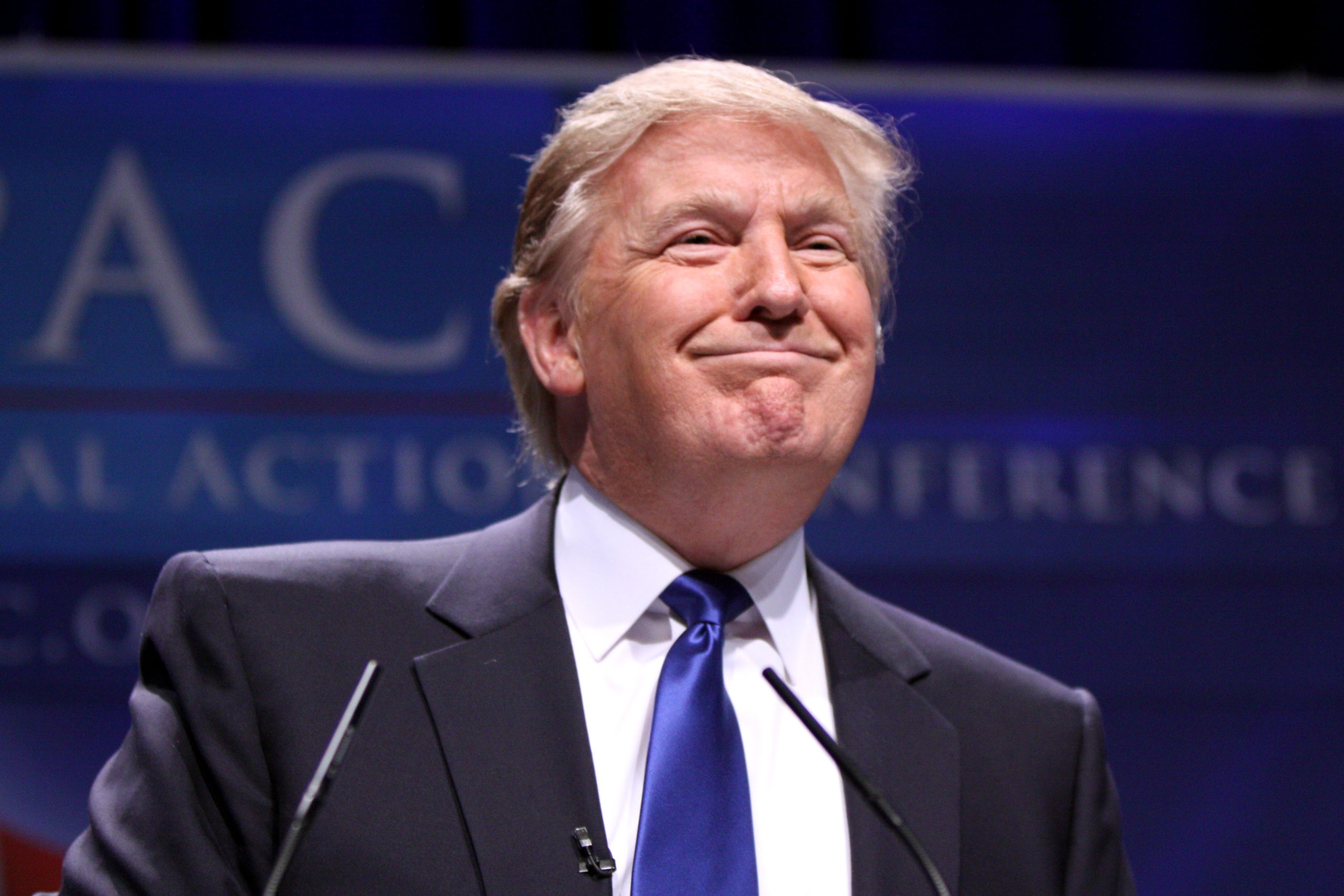
The warning puts a fragile June ceasefire under new strain, with oil markets, Gulf shipping lanes and U.S. forces all in the picture. Iran says it will answer with action, while diplomacy appears stalled.
Donald Trump threatens more U.S. strikes on Iran after declaring a ceasefire agreement “over,” and this article explains the ceasefire or diplomacy context behind the warning as well as broader developments in the Middle East. Speaking at a NATO summit in Turkey, Trump said the U.S. had hit Iran “very hard” and would “probably hit them hard again,” according to the BBC.
The threat matters because it lands after fresh exchanges of fire, competing claims of ceasefire violations and renewed pressure around the Strait of Hormuz, one of the world’s most sensitive shipping corridors.
Trump’s warning lands during diplomacy
Trump’s comments were blunt even by the standards of a crisis that has already produced strikes, counterstrikes and fragile negotiations. He accused Tehran of violating an interim agreement reached in June and said he no longer wanted to deal with Iran’s leadership.
According to the BBC, Trump said U.S. negotiators could continue talks “if they want,” but described further diplomacy as “a waste of time.” He also said he did not think the Iran war would restart in a prolonged way, adding that “anything that happens will be over quickly.”
That split message is part of what makes this moment dangerous. A leader can leave room for talks while also signaling that military action remains close at hand. For allies, adversaries and markets, the question is whether the warning is coercive pressure or a preview of another round of strikes.
The ceasefire deal at stake
The disputed agreement, described by the BBC as a memorandum of understanding signed on 17 June, called for a 60-day ceasefire period while negotiations continued. It reportedly included 14 points, including safe passage for vessels through the Strait of Hormuz and U.S. movement on sanctions affecting Iranian oil sales.
Those terms go to the core of the current standoff. The United States says Iran violated the arrangement through attacks and destabilizing activity. Iranian officials argue Washington breached the deal by striking Iranian territory and by revoking relief tied to oil sales.
Ceasefires in conflicts like this rarely fail all at once. They are more often pulled apart by arguments over who fired first, what counts as self-defense and whether economic steps are part of the security bargain. That is why the sanctions dispute matters nearly as much as the missiles.
Trump’s declaration that the deal is “over” does not, by itself, settle whether all channels are closed. But it does make it harder for negotiators to present talks as a credible path unless both sides can point to some immediate restraint.
Tehran signals retaliation
Iran’s response has mixed condemnation with threats of action. Foreign Minister Abbas Araghchi wrote on X that Iran would not answer vulgarity with vulgarity, but “with action,” according to the BBC. A senior adviser to Iran’s supreme leader, Ali Akbar Velayati, warned that new U.S. strikes would draw an “immediate response.”
Other Iranian officials framed Trump’s language as evidence of failed U.S. policy rather than strength. Deputy Foreign Minister Kazem Gharibabadi said years of force, sanctions and threats had not brought Iran to its knees.
The competing narratives are familiar but consequential. Washington presents its strikes as deterrence and protection of regional security. Tehran presents its response as resistance to coercion and defense of sovereignty.
Neither side benefits politically from appearing to fold. That creates a narrow lane for de-escalation: each government needs a way to claim firmness while quietly limiting the next exchange.
Hormuz pressure is rising
The Strait of Hormuz is a major reason the confrontation is drawing attention beyond Washington and Tehran. U.S. Central Command said it launched powerful strikes in response to attacks on three tankers in the strait, according to the BBC. Iranian state media said eight members of Iran’s army were killed in U.S. strikes in Bandar Abbas and Bushehr.
Iran said it targeted U.S. military sites in Bahrain and Kuwait in retaliation. U.S. Central Command also said more than 20 U.S. Navy warships were patrolling waters across the Middle East.
Oil prices jumped after Trump’s comments, though they remained below levels seen during a full closure of the strait. That market reaction shows how quickly a military exchange can become an economic story for households, airlines, shipping firms and governments far from the Gulf.
- For the U.S.: the immediate concern is protecting forces, ships and regional partners.
- For Iran: the strait offers leverage but also risk if attacks invite heavier retaliation.
- For global markets: even limited disruption can raise fears of supply shocks.
Allies are choosing words carefully
NATO chief Mark Rutte backed the American strikes as “absolutely necessary,” saying Iran was violating the ceasefire, according to the BBC. That support gives Trump diplomatic cover, but it does not erase allied anxiety about escalation.
European and Gulf governments typically want two things at once in such moments: a clear deterrent against attacks on shipping or U.S. forces, and enough diplomatic space to keep the conflict from spreading. Those goals can clash when each military response prompts the other side to promise a stronger answer.
The location of Trump’s remarks also matters. A NATO setting turns a U.S.-Iran confrontation into an alliance management issue. Even if NATO is not acting as a bloc in Iran, public backing or hesitation from allied leaders can shape perceptions of U.S. resolve.
Iran will read those signals, too. If Tehran sees a unified Western front, it may calculate differently than if it sees Washington acting largely alone.
What remains uncertain now
The biggest unknown is whether the ceasefire framework is truly dead or merely suspended under political pressure. Trump referenced negotiators including Steve Witkoff and Jared Kushner, saying they could keep talking if they wanted, but he also made clear he personally saw little value in it.
It is also unclear how each side is defining a violation. The June arrangement reportedly called for an immediate and permanent termination of military operations on all fronts, yet both sides have accused the other of breaking the spirit or letter of that commitment.
Another unresolved question is the scale of damage from the latest strikes and counterstrikes. Iranian state media reported military deaths, while U.S. statements emphasized the rationale for strikes and ongoing naval patrols. Independent verification in active conflict zones can lag behind official claims.
The practical takeaway is sober: Trump’s threat of more U.S. strikes on Iran is not just rhetoric in isolation. It sits inside a volatile mix of ceasefire ambiguity, sanctions pressure, shipping risk, domestic politics and regional deterrence. Unless one side finds a face-saving way to pause, the next move may come faster than diplomacy can catch up.
Leave a Reply